
Reviewed · LOMBOK TOURS
Mount Rinjani 3D2N Private Trek – Summit, Crater Rim & Hot Spring
Mount Rinjani gives you far more than a summit photo. This three-day private trek links Lombok’s open Sembalun slopes, the volcanic crater, Segara Anak Lake, natural hot springs, and the forested Senaru side in one demanding but rewarding route.
I like the private format, since your guide can set the pace and help with the rough parts. I also like the care built into the price: porters carry the camping kit, cooks prepare meals, and a toilet tent, sleeping mat, sleeping bag, and tent are supplied. The main drawback is the effort. A 3:00 AM summit start, steep volcanic paths, and long trekking days make this a serious mountain trip, not a gentle nature walk.
Key points at a glance
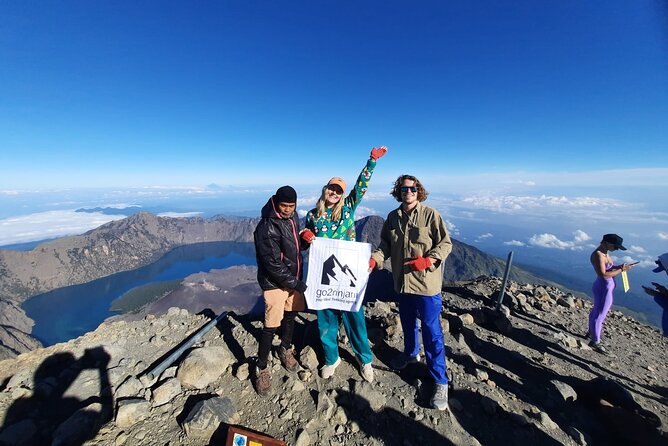
- Sunrise from Mount Rinjani’s summit: Reach the peak after a 3:00 AM start and spend about 30 to 45 minutes taking in the morning views.
- Two crater-rim camps: Sleep first at Sembalun Crater Rim, then at Senaru Crater Rim, with sunset time at both locations.
- Segara Anak and hot springs: Spend four to five hours beside the volcanic lake, with time to swim and relax in natural hot water.
- Private guiding and porter support: Only your own group takes part, with a mountain guide, local porter, cooking gear, meals, and drinks included.
- A full-service package: Park fees, camping supplies, waterfall touring, pickup, return transport, and one regular hotel night are covered.
- Bring your own mountain basics: Headlamp, trekking shoes, poles, gloves, warm jacket, long trousers, and travel insurance are not included.
What makes this Mount Rinjani trek different
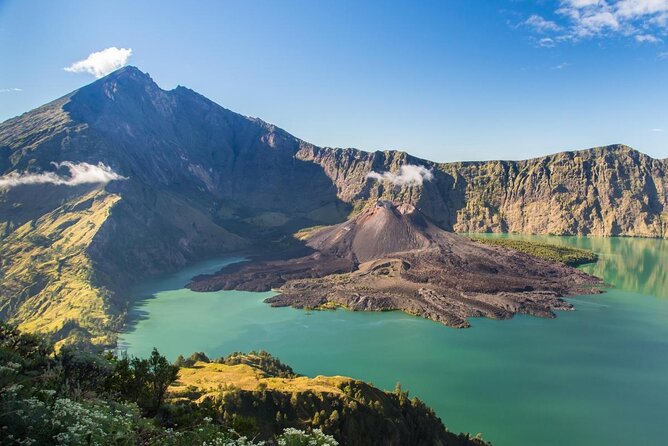
Many mountain outings reduce Rinjani to a quick summit push. This trip gives you the volcano in several moods: broad grassland near Sembalun, dark volcanic slopes, a striking crater lake, hot springs, high camps, and rainforest on the Senaru side.
The private setup matters here. You are not tied to a large group’s speed, and your guide can help manage breaks, food stops, and the difficult final climb. That does not make the mountain easy, but it can make the day feel more manageable.
The operator’s guides have included Rodi, Andy, Bahar, and Budin. Their strengths, based on the service described for past trips, include clear instructions, friendly support, photography help, and a good sense of humor. You cannot assume a particular guide will be assigned, so ask before booking if a named guide matters to you.
At $365.39 per person, the package is not just a guiding fee. It includes transport, entry charges, food and beverages, a porter, cooking equipment, camping equipment, a toilet tent, waterfall touring, and one hotel night. For a private three-day expedition, that makes the price easier to justify, particularly if you value having the practical work handled for you.
More walks and treks around Lombok:
- 2D1N Senaru Crater Rim Trekking
★ 5.0 · 178 reviews - Rinjani trekking 2D 1N RIM
★ 5.0 · 94 reviews - Rinjani Trekking 3D2N Summit
★ 4.5 · 85 reviews
Day one: Sembalun to the crater rim
The trek begins from the Go2Rinjani meeting point on Jalan Pariwisata in Senaru, with pickup and return transport provided. The exact transfer plan should be confirmed when you book, since the starting point and trekking route involve different parts of Lombok.
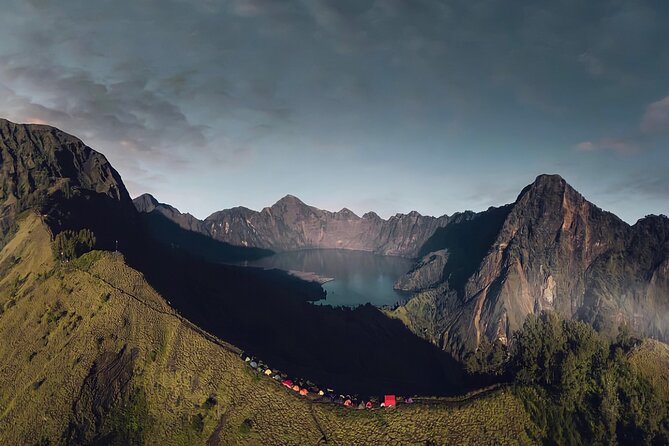
The first major camp is Sembalun Crater Rim. Arrival is scheduled for about 4:00 PM, followed by a sunset and dinner before settling in for the night. You have roughly 12 to 14 hours at this stop, which sounds like a long stay because it includes the overnight camp.
Sembalun gives you the open side of Rinjani. The broad views help you understand the scale of the climb ahead. As the light fades, the crater rim becomes a fine place to stop, eat, and prepare for a very early morning.
Do not treat the first evening as spare time for a late campfire. Your summit attempt begins around 3:00 AM. Eat well, organize your headlamp and warm layers, and try to rest as soon as you can. The cold and early alarm are part of the deal.
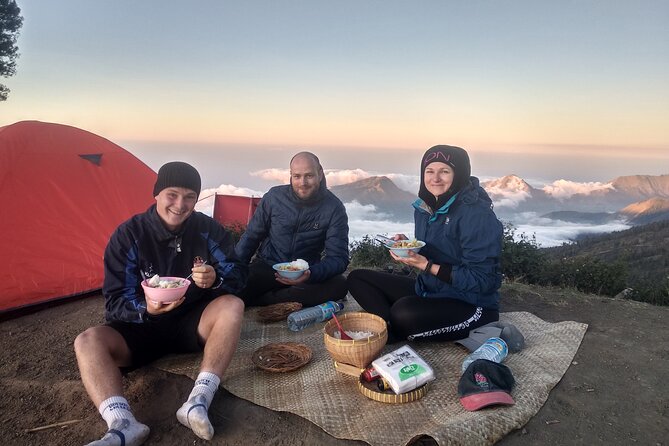
The included meals are a real advantage. You do not need to carry all your cooking supplies or plan every meal yourself. Local porters handle much of the camp setup and food preparation, while you focus on staying rested for the summit.
Day two: the summit before breakfast
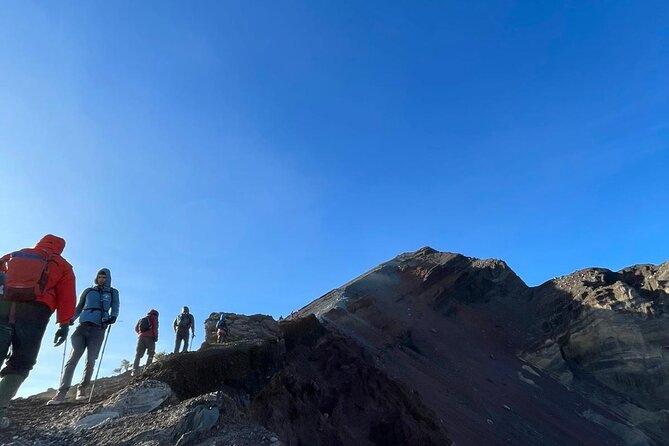
The summit section is the hardest and most time-sensitive part of the trip. You set out around 3:00 AM and aim to reach the top at about 6:00 AM, spending approximately 30 to 45 minutes at the summit.
The timing is designed for sunrise and wide morning views. It also means you climb much of the route in darkness, so a headlamp is essential. It is specifically not included, and a phone flashlight is a poor substitute for uneven ground and a long ascent.
This is where a moderate level of physical fitness becomes important. The package does not promise an easy route, and the final climb can feel slow. The private guide and porter support are useful, but they do not remove the need for stamina, balance, and patience.
Bring shoes with reliable grip, trekking poles if you use them, gloves, warm clothing, and long trousers. All are excluded from the package. A jacket is especially useful before sunrise, when you are waiting at the top rather than moving continuously.
The summit stop is brief for a reason. After sunrise, you descend and continue toward Segara Anak Lake and the hot springs. You will want time for photographs, but you should also save energy for the route ahead.
The strongest part of this schedule is its variety. Within the same day, you can see the high volcanic summit, reach the lake inside the crater, swim, and rest in hot water. The weakness is that the day asks a lot from your legs after a night with little sleep.
Segara Anak Lake and the natural hot springs
You are expected to reach Segara Anak Lake around 10:30 AM and spend four to five hours there. This is the most relaxed section of the mountain itinerary.
The lake gives the trip a welcome change of pace after the summit. You can swim in the water, eat, and take time at the shore before continuing. The nearby hot springs are especially valuable at this point, since warm water can feel restorative after the early climb and descent.
The stop is not merely a photo break. It gives you a proper pause inside Rinjani National Park, with enough time to enjoy the setting rather than rush through it. Pack swimwear in a place you can reach easily, since your main pack may not be the most convenient item to sort through after a long morning.
The route still has work left after the lake. Keep your expectations realistic: a hot spring does not turn the second day into a rest day. You continue to the next camp and should use the lake stop to eat, drink, and regain strength.
Water and beverages are included, but you should still ask how much drinking water is supplied at each stage and what personal bottle or hydration system you should bring. The supplied information confirms drinks are covered, but not the exact quantity or refill plan.
More spa and hot spring stops in Lombok:
- 3D/2N Rinjani trekking summit,lake and hot springs.
★ 5.0 · 85 reviews - Explore Mount Rinjani To Summit, Lake & Hot Spring (3D 2N)
★ 5.0 · 19 reviews - Body Massage Experience in Ubud Traditional Spa
★ 5.0 · 3,506 reviews - Mount Batur Sunrise Hike and Natural Hot Spring Option
★ 5.0 · 1,927 reviews
Night two: Senaru Crater Rim and the rainforest side
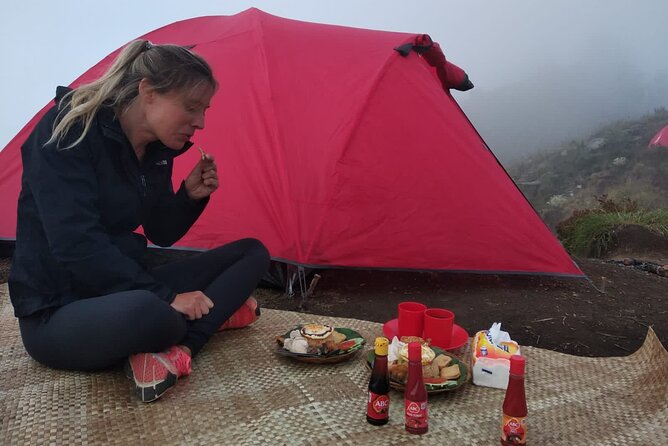
The second crater-rim camp is Senaru Crater Rim. Arrival is planned for around 4:00 PM, giving you time to catch sunset views toward Mount Agung and settle in for another night outdoors.
This camp shows a different side of Rinjani from Sembalun. Senaru is associated with rainforest, so the route and surroundings feel more enclosed and wooded than the open first-day approach. The trip also includes a waterfall tour, adding another forest feature to the experience.
Again, the listed 12 to 14 hours at this stop includes the overnight period. Expect a camp evening, not a hotel-style night. The tent, mat, and sleeping bag are included, but you should check the size and warmth of the sleeping bag if you are sensitive to cold.
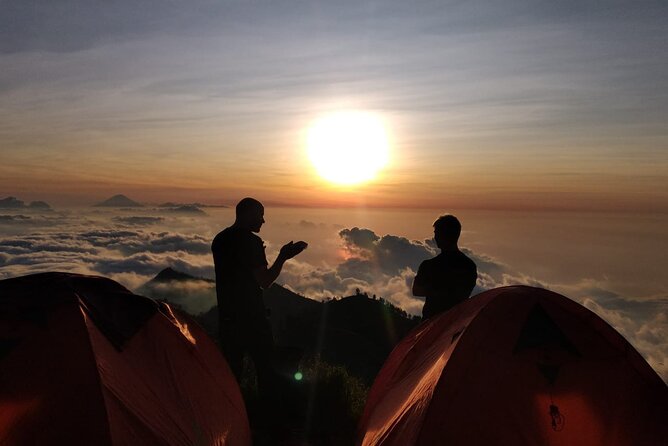
Camping on two crater rims gives the itinerary a strong sense of place. You do not simply climb, take a summit picture, and leave. You sleep at high points, watch the light change, and experience the volcano at a slower pace.
The toilet tent is another small but useful inclusion. Mountain facilities are basic, so this will not feel like a resort. Still, having a private camping toilet is more comfortable than relying on whatever limited facilities happen to be available.
Food, porters, and what the price really covers
The package includes a mountain guide, local porter, cooking gear, meals, and beverages throughout the trip. That support is one of the main reasons the $365.39 price can represent fair value.
A porter helps reduce the amount you need to carry, while the cooking setup means your group does not have to manage meal preparation after long climbs. Past service descriptions give special attention to the food, with dishes described as generous and tasty. You should still expect practical mountain meals rather than restaurant dining.
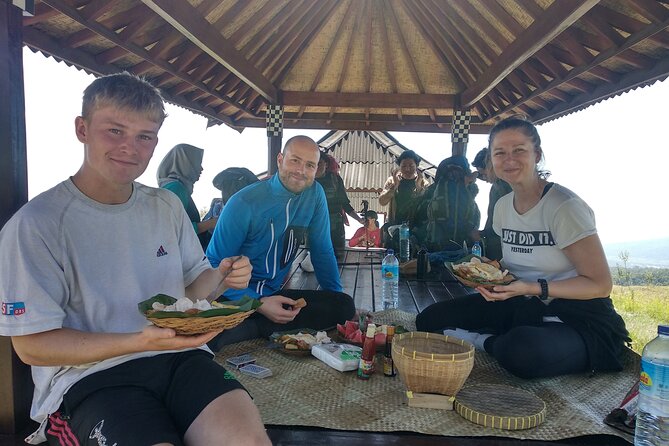
The private format is also important for value. Only your group participates, so you get direct attention rather than being placed into a large, mixed-ability party. This is particularly helpful on the summit morning, when small differences in pace can become tiring.
You should budget separately for tips to the guide and porter. Tipping is excluded, as are flights, insurance, and the personal equipment listed above. An extra porter for your own language is also not included, which may matter if you need language-specific support.
One regular hotel night is included, but custom hotels cost extra. The supplied details do not specify exactly when that night is used, so confirm the hotel arrangement and room standard before you travel.
The physical challenge and who should book
This trek suits you if you already enjoy long hikes and are comfortable with early starts, steep ground, basic camping, and changing weather. A moderate fitness level is required, and the three-day schedule still includes a summit attempt, a crater-lake descent and ascent, and two overnight camps.
You should think twice if you dislike sleeping outdoors, have trouble walking for many hours, or expect a relaxed sightseeing tour. The word private can sound luxurious, but here it mainly means your group has its own guide. It does not mean private hotel rooms on the mountain or an easy route.
Solo participants can book, as can friends, couples, and small groups. The private structure may be especially useful for a honeymoon or a group with a shared goal, and past trip descriptions include successful group and honeymoon outings.
The best preparation is simple:
- Train with long walks and uphill sections before arriving.
- Break in your trekking shoes.
- Carry a headlamp with spare batteries.
- Bring warm layers for the summit and camp.
- Pack gloves, long trousers, and a trekking pole if useful.
- Arrange travel insurance that covers trekking.
- Keep your pack light, since porters already carry shared equipment.
- Confirm pickup timing, the included hotel night, water arrangements, and guide assignment.
The weather matters. This experience requires good conditions, and a poor-weather cancellation leads to a different date or a full refund. For a full refund under normal cancellation terms, you must cancel at least 24 hours before the local start time. Changes or cancellations inside that window are not refunded.
What I like, and what I would watch closely
I like the route’s range. In three days, you get a sunrise summit, two crater-rim camps, a volcanic lake, hot springs, rainforest, and a waterfall visit. That is a much fuller introduction to Rinjani than a fast up-and-down climb.
I also like the human support. Guides such as Rodi, Andy, Bahar, and Budin are associated with the operator’s trips, and the service descriptions emphasize friendly leadership, useful guidance, photographs, and steady encouragement. Good guiding matters on a route where the early start and volcanic footing can wear you down.
The main concern is the schedule’s intensity. Reaching the summit around sunrise after starting at 3:00 AM leaves little room for poor pacing. You then continue to the lake, hot springs, and second crater rim. The itinerary is rewarding, but it is not forgiving if you arrive underprepared.
The other point to check is equipment. The company supplies the large camping items, but you must bring the mountain essentials that keep you safe and comfortable. Shoes, headlamp, warm jacket, gloves, trousers, and insurance are not minor extras. Add their cost when comparing this trip with cheaper-looking alternatives.
Should you book this private Rinjani trek?
Book it if you want the full Rinjani experience and prefer practical support over arranging every detail yourself. The combination of summit, lake, hot springs, two crater rims, meals, porters, transport, camping equipment, and a private guide gives you a lot for the price.
Choose another plan if you want a short climb, dislike camping, or are not ready for a demanding summit morning. Before paying, confirm the guide, pickup plan, hotel night, water supply, and gear requirements.
For a fit person who wants a serious but well-supported introduction to Lombok’s great volcano, this is a strong choice. Go in ready to work, and the rewards come in layers: sunrise above the clouds, a volcanic lake below, warm springs for tired legs, and a final night looking back across the mountain.
FAQ
How long is the Mount Rinjani trek?
The experience lasts approximately three days and includes two nights of mountain camping.
Is this a private tour?
Yes. Only your group participates, with a private mountain guide and local porter support.
What is included in the price?
The package includes a guide, local porter, cooking gear, meals and beverages, tent, sleeping bag, sleeping mat, toilet tent, park entrance fees, waterfall touring, one regular hotel night, pickup, and return transport.
Is the summit included?
Yes. The itinerary includes a summit attempt beginning around 3:00 AM, with arrival expected around 6:00 AM and about 30 to 45 minutes at the top.
What equipment must I bring?
You must provide a headlamp or hand torch, trekking shoes, trekking poles, gloves, trekking jacket, long trousers, travel insurance, and any tips for the guide and porter.
What happens if bad weather cancels the trek?
If poor weather causes cancellation, you will be offered another date or a full refund. Normal cancellations made at least 24 hours before the local start time qualify for a full refund.
More 3-Day Experiences in Lombok
- 3 Days and 2 Nights Summit Via Sembalun
★ 5.0 · 91 reviews - Rinjani Trekking 3 Days 2 Nights (Sembalun – Senaru)
★ 5.0 · 84 reviews - Rinjani Trekking Three Days Two Night Summit Lake
★ 4.5 · 73 reviews - 3 Days Tour in Mount Rinjani Summit with Lake Hiking
★ 5.0 · 33 reviews
Just added around Lombok
- Full-Day Private Trip to South Lombok★ 5.0 · 15 reviews
- MODERATE HIKING: 2D/1N Crater Rim Senaru | Rinjani Samalas Tour★ 5.0 · 8 reviews
- Trekking Rinjani Mountain Summit 2 Days 1 Night – Em Adventure★ 5.0 · 42 reviews
- Waterfall Tour And Sasak Traditional Tour★ 5.0 · 3 reviews
- Trekking Rinjani 1 Day Trek Senaru Crater Rim★ 5.0 · 3 reviews
- Fantastic trip to Sindang Gile & Tiu Kelep Waterfall★ 4.5 · 3 reviews
- Lombok Tour For Cruise Passangers★ 4.5 · 16 reviews
- Trekking Rinjani Volcano To Crater Rim Senaru 2D-1N Private – Syam Trekker★ 5.0 · 45 reviews
Lombok Tours, compared.
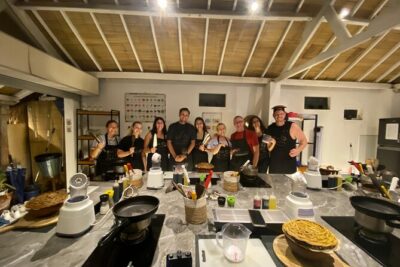
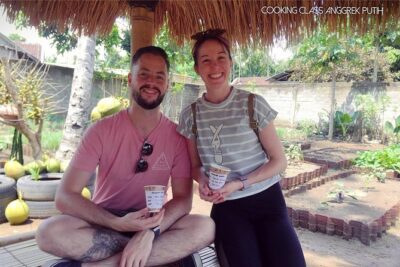
Learn to cook Indonesian food at Gili Cooking Classes Trawangan
Read our review →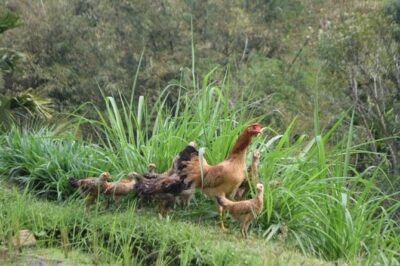
Tetebatu Walking Tour – Rice Terraces, Waterfall & Monkey Forest
Read our review →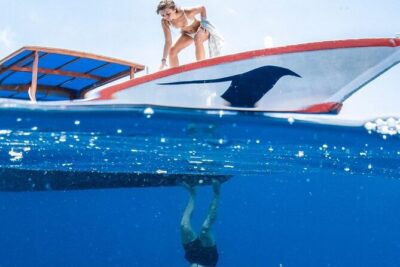
Gili Island Snorkeling Trip – Gili Trawangan, Gili Meno, & Gili Air, From Lombok
Read our review →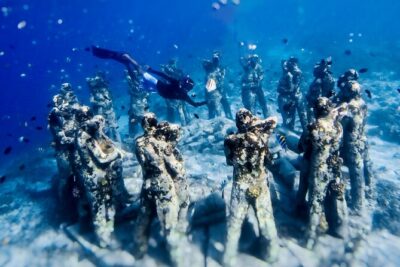
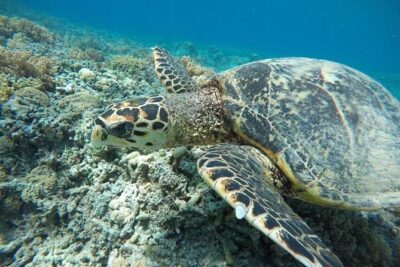
Private Snorkeling Gili Island (Coral, Statue and Turtle)
Read our review →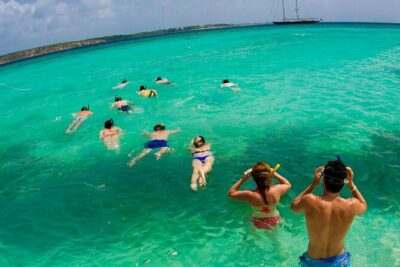
Day Trip 5 Secret Gilis : Layar, Rengit, Nanggu, Tangkong, Kedis
Read our review →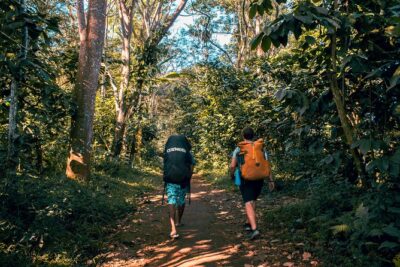
Browse the lists this tour appears in