
Reviewed · LOMBOK TOURS
Explore Mount Rinjani To Summit, Lake & Hot Spring (3D 2N)
Mount Rinjani gives you three major rewards for one very serious effort: a sunrise summit, the huge crater lake, and a short soak in hot springs. This 3-day, 2-night route also includes camping, cooked meals, drinking water, and porters to carry the shared equipment.
I like the practical setup, especially the toilet tent, sleeping bag, mattress, pillow, chair, and luggage storage at the Senaru office. I also like the human touch reported by guests who trekked with guides and porters such as Wan, Deni, Lim, and Adi. The main caution is simple: this is not a gentle hike. The operator says you need good fitness and several previous mountain climbs.
Key points to know before booking
- The summit attempt comes after a long climb to the crater, with sunset first and a sunrise push afterward.
- Lake Segara Anak and the hot springs are included, but reaching them means climbing down into the crater and back up again.
- Porters carry cooking and camping gear, while your own daily bag and personal luggage remain your responsibility.
- Meals are a real strength, with several guests praising the variety and quality of food prepared on the mountain.
- The listed price is $180 per person, before the Rinjani entrance fee, personal equipment, transfers, tips, and any extra porter service.
- The trek begins and ends at Dhyns Rinjani Hiking in Senaru, with free cancellation available until 24 hours before the start time.
What the Three Days Really Ask of You
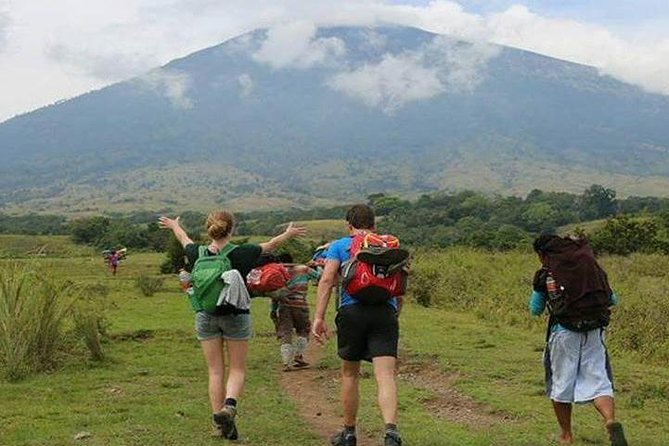
This is the popular 3-day, 2-night Rinjani plan, but popular does not mean easy. You climb toward the crater, watch the sunset, make the summit attempt for sunrise, descend to the lake, visit the hot springs, climb back to the opposite crater side, and then walk down to Senaru.
That sequence packs a lot into a short time. The hardest section is not only the summit. Your legs also have to handle the descent into the crater and the climb out again, often after a night of limited sleep. The final 4 to 5 hours down to Senaru may sound easier, but tired knees can make downhill walking unpleasant.
I would choose this route only if you already have some mountain experience and can manage sustained uphill and downhill walking. The operator describes it for experienced hikers, while the general information also says participants should have moderate physical fitness. Treat the stricter warning as the safer one.
The reward is variety. You are not simply walking up and down a peak. You get changing views, a crater, a lake, hot water, two sunset or sunrise viewpoints, and a night under canvas. That makes the effort feel more worthwhile than a basic summit-only trip.
More spa and hot spring stops in Lombok:
- 3D/2N Rinjani trekking summit,lake and hot springs.
★ 5.0 · 85 reviews - Mount Rinjani 3D2N Private Trek – Summit, Crater Rim & Hot Spring
★ 5.0 · 13 reviews - Body Massage Experience in Ubud Traditional Spa
★ 5.0 · 3,506 reviews
Starting at Dhyns Rinjani Hiking in Senaru
Your meeting point is the Dhyns Rinjani Hiking office in Senaru, in North Lombok. The activity ends back at this same meeting point. The office is near public transportation, and luggage storage is available there, which is useful if you are carrying a large suitcase or traveling around Lombok.
A night in Senaru before the trek is not included. You need to arrange and pay for that yourself. I recommend treating this as part of the plan rather than trying to arrive at the last possible moment, since the trek requires a briefing and a medical check before departure.
The medical check is a useful safety step. It does not turn a hard climb into an easy one, but it gives the team a chance to assess whether you are fit to start. The pre-trek briefing is also important because this route has several demanding sections and requires you to understand what you are carrying, where you are going, and how the schedule works.
The operator describes this as a private activity, so only your group participates. That is good if you want to keep the pace and atmosphere within your own party. Group discounts are also listed, so ask how the discount applies to your booking, especially if you are booking for several people.
The First Approach and Sendang Gile Waterfall
Sendang Gile and Tiu Kelep Waterfall appear as a stop in the program. These waterfalls give you a scenic introduction to the Senaru side before the mountain work becomes the main event.
The supplied details do not give a precise time allocation for the waterfalls, so confirm whether your chosen departure includes both falls in full or treats them as a shorter visit. That matters because the summit and lake route already demands careful time management.
I like having this stop attached to a mountain trip because it adds a second type of scenery without requiring a separate day tour. Still, do not think of the waterfalls as a substitute for rest. You are about to begin a demanding multi-day trek, and every unnecessary detour can matter if your legs are not ready.
Reaching the Crater for Sunset
The first major stage takes you upward to the crater rim. From here, the program calls for sunset before the overnight summit attempt. This is an important part of the experience because it breaks the climb into clear goals: reach the crater, settle into camp, see the evening view, then prepare for the summit.
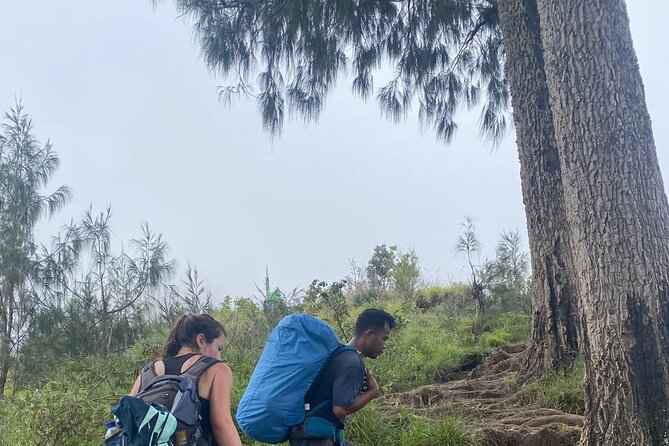
Camping equipment is supplied, including a tent, sleeping bag, mattress, pillow, chair, and toilet tent with paper. The porters carry the cooking gear and camping equipment, which removes a major burden from your shoulders. You still need to carry your personal daily pack, clothing, water, snacks, and any camera or other items you bring.
The camp arrangement sounds more comfortable than a stripped-down hike, but comfort remains relative. A mattress and sleeping bag help, yet this is still mountain camping. Keep your expectations sensible and pack warm layers, even though extra layers may be rented from the company for a small fee.
The food is one of the strongest parts of the service. Reports from the trip describe varied meals and cooking that exceeded expectations, including different dishes at each meal. That matters on a trek like this. Good food does not remove fatigue, but it gives you a better chance of keeping your energy up.
A few more Lombok half-days to weigh up
- 3 Days and 2 Nights Summit Via Sembalun
★ 5.0 · 91 reviews - Rinjani Trekking 3D2N Summit
★ 4.5 · 85 reviews - Rinjani Trekking 3 Days 2 Nights (Sembalun – Senaru)
★ 5.0 · 84 reviews - Rinjani Trekking Three Days Two Night Summit Lake
★ 4.5 · 73 reviews
The Pre-Dawn Summit Push
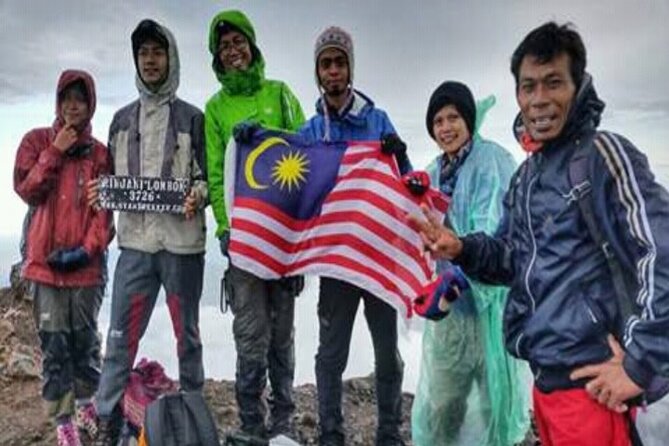
The summit climb is the section to take most seriously. You leave after the crater camp and continue upward in time for sunrise. The details do not promise a fixed departure hour, so the exact timing will depend on the guide and conditions.
This is where fitness and previous mountain experience become essential. The trail is demanding enough that the operator specifically advises experienced trekkers. You may be walking in darkness, so a head lamp or hand torch is required, but neither is included.
Bring a proper head lamp rather than relying on a phone light. You need both hands available for balance and support, especially if the surface is loose or uneven. Trekking shoes are also not included, and this is not the place to test casual footwear.
The payoff is the broad view from the top at sunrise. The operator makes the summit the priority, and the route is built around reaching it. Keep in mind that weather can affect visibility and the schedule. A summit attempt is an effort, not a guaranteed clear panorama.
Several people who used the service praised the patience of their guides. Deni was singled out for steady help, while Wan was assigned to a group that included first-time hikers. That does not mean the route is suitable for every beginner, but it suggests that the guide can provide practical support when the climb becomes difficult. You should still be honest about your ability before booking.
Descending to Lake Segara Anak
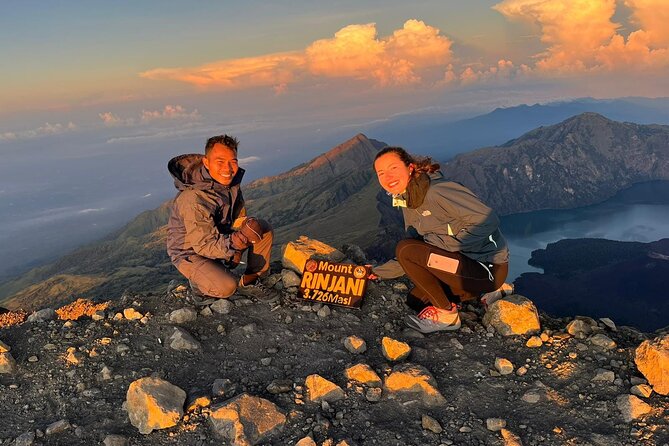
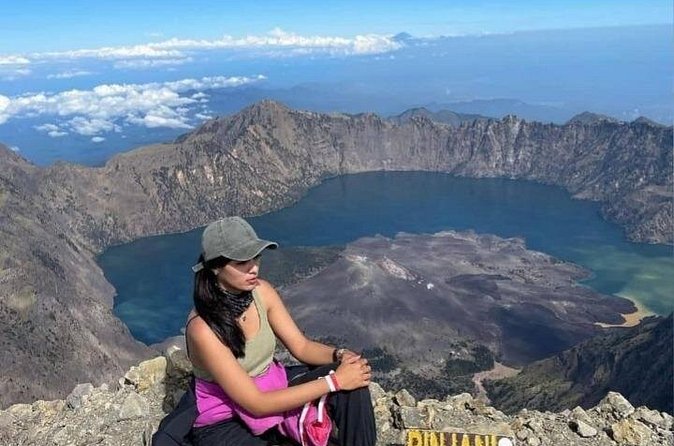
After the summit, you descend to the crater lake for lunch. This is a major change of scene and one of the most memorable parts of the route. The lake sits within the volcanic crater, creating a dramatic setting after the stark upper slopes.
The descent is not a free bonus. Going down into the crater takes effort, and loose or steep sections can be hard on your legs after the summit. The guide and porters handle the camp and cooking work, letting you focus on walking and recovery, but you still need to manage your pace.
Food and drinking water are included. The package provides 3 liters of mineral water per person per day, which is a useful allowance, though you should confirm how water is distributed and carry enough for each stage. Personal snacks are not listed as included, so bring any familiar energy food you know you will eat.
Lunch by the lake gives you time to recover before the next major climb. Do not rush this stop, but do not assume the day is nearly over. The route still requires a climb out of the crater.
A Short Hot Spring Stop, Then Another Climb
The hot springs are included after the lake section. You can enjoy the warm water for a few minutes, making this more of a brief recovery stop than a long bathing session.
That short soak can feel especially welcome after the summit and descent. It is also one of the features that gives this route more character than a straightforward peak climb. You get a physical connection with the volcanic setting, not just a view of it.
The catch is that the hot springs do not end the hard work. After lunch and the brief soak, you climb up again to the other side of the crater for sunset. This repeated descent and ascent is the reason I would not recommend the program to anyone who is only moderately active in everyday life.
The Second Camp and the Walk Down to Senaru
The next morning, you have about 4 to 5 hours to walk back down to Senaru. The exact experience depends on your condition, but downhill walking after two demanding days can be surprisingly tiring.
The advantage of ending at the original office is practical. Your stored luggage is there, and the trek does not leave you searching for a separate finish point. Transfers after the trek are not included, so plan your onward transport from Senaru separately.
Pickups before the trek and transfers afterward are also excluded. If you are coming from another part of Lombok, ask Dhyns Rinjani Hiking about transport rather than assuming it is part of the $180 price.
What the $180 Price Covers
At $180 per person, the package offers solid value if you need a guided, supported trek rather than a bare route permit. It includes an English-speaking guide, porters for cooking and camp equipment, meals, drinking water, tents, sleeping gear, a toilet tent, paper, and luggage storage.
The price does not cover everything. You must pay the Mount Rinjani entrance fee, listed as IDR 610,000 per person. You also need to provide or rent a head lamp, trekking shoes, rain jacket, long pants, and gloves. Add the cost of a night in Senaru, transfers, tips, and an extra porter if you want help carrying your own luggage.
That list makes the package easier to judge. It is not an all-in price once permits and personal gear are added, but it does cover the expensive and labor-heavy basics of a multi-day trek. The porters, food, and camp equipment are meaningful inclusions, not minor extras.
The service also appears to offer different package levels, since a deluxe package is referenced in the available information. Confirm exactly which package your $180 booking represents before paying, particularly if you expect upgraded equipment or extra assistance.
Guides, Porters, and Food on the Mountain
The guide is central to this trip. You receive an experienced English-speaking guide, but the individual assigned to your group may vary. Names connected with successful trips include Ali, Dadung, Sli, Wan, Deni, Lim, and Adi.
I would ask who your guide will be and how many porters are assigned before departure. You may also want to explain your experience level clearly. A group with first-time hikers was paired with an experienced guide, but the route itself remained a serious undertaking.
The food earns special attention. Meals are cooked during the trek, and the available descriptions point to variety rather than repetitive basic fare. That is a strong advantage on a three-day climb, where appetite and energy can change quickly.
The team has also been praised for cleaning up rubbish on the mountain. That is worth supporting, especially on a heavily used route. Still, you should carry your own waste carefully and avoid disposable items when possible.
What to Pack and What Not to Assume
The included gear is generous, but your personal equipment is not. At minimum, plan for:
- A head lamp or hand torch
- Trekking shoes
- A rain jacket
- Long pants
- Gloves
- A small daily pack
- Personal toiletries and any medication
- Snacks beyond the provided meals
The operator lists an extra porter for your own luggage as an additional cost. Shared camping and cooking gear are carried by the included porters, but your personal bag is still your responsibility unless you pay for extra help.
Weather is a serious factor. The experience can be canceled in poor weather, with a different date or full refund offered. Even on a scheduled departure, bring rain protection and warm clothing because conditions can change and the summit may be cold.
The cancellation terms are favorable if your plans change: you can cancel up to 24 hours before the start for a full refund. Changes made inside that 24-hour window are not accepted, and late cancellations are not refunded.
Who Should Book This Trek?
I would recommend it to a fit hiker who wants the full Rinjani experience in three days: summit, sunrise, crater lake, hot springs, and camping. It suits someone who values support from guides and porters but still wants a demanding physical challenge.
It is also a good match for a private group that wants its own activity rather than joining a mixed party. The food, camp equipment, luggage storage, and English-speaking guide make the logistics easier than arranging every part alone.
I would not choose it for a first-ever mountain climb, despite the strong support. The summit attempt, crater descent, second ascent, and final walk to Senaru create a long chain of hard sections. If your fitness is uncertain, ask the operator whether a shorter or less demanding route is available.
Should You Book Dhyns Rinjani Hiking?
Book this trek if you want maximum scenery from a compact schedule and you are prepared to work for it. The strongest reasons are the well-equipped camping setup, included meals and water, helpful guide service, and the chance to see both the summit and the crater lake.
Before booking, confirm the departure details, assigned guide, package level, transport costs, entrance fee, and equipment rental. Also be realistic about your fitness. At $180, the trek offers good practical value, but no package can make the Rinjani summit easy.
If you can handle steep mountain walking and accept basic camping, this is a well-supported way to experience Lombok’s great volcano. If you mainly want a scenic holiday with a little exercise, choose something gentler.
FAQ
How long is the Mount Rinjani trek?
The activity lasts approximately 3 days and includes 2 nights of camping.
Where does the trek start and finish?
It starts at Dhyns Rinjani Hiking in Senaru, North Lombok, and finishes back at the same meeting point.
Is the Mount Rinjani entrance fee included?
No. The entrance fee is listed separately at IDR 610,000 per person.
Are meals and drinking water included?
Yes. Food and drinking water are included, with 3 liters of mineral water provided per person per day.
What camping equipment is provided?
The package includes a tent, toilet tent and paper, sleeping bags, mattresses, pillows, and chairs. Porters carry the cooking gear and camping equipment.
Do I need to bring my own trekking equipment?
Yes. Head lamps or hand torches, trekking shoes, rain jackets, long pants, and gloves are not included. An extra porter for your own luggage also costs extra.
Can I cancel for a full refund?
Yes. You can cancel at least 24 hours before the experience start time for a full refund. Poor weather or failure to meet the minimum number of participants may also lead to a different date or full refund.
Just added around Lombok
- Full-Day Private Trip to South Lombok★ 5.0 · 15 reviews
- MODERATE HIKING: 2D/1N Crater Rim Senaru | Rinjani Samalas Tour★ 5.0 · 8 reviews
- Trekking Rinjani Mountain Summit 2 Days 1 Night – Em Adventure★ 5.0 · 42 reviews
- Waterfall Tour And Sasak Traditional Tour★ 5.0 · 3 reviews
- Trekking Rinjani 1 Day Trek Senaru Crater Rim★ 5.0 · 3 reviews
- Fantastic trip to Sindang Gile & Tiu Kelep Waterfall★ 4.5 · 3 reviews
- Lombok Tour For Cruise Passangers★ 4.5 · 16 reviews
- Trekking Rinjani Volcano To Crater Rim Senaru 2D-1N Private – Syam Trekker★ 5.0 · 45 reviews
Lombok Tours, compared.
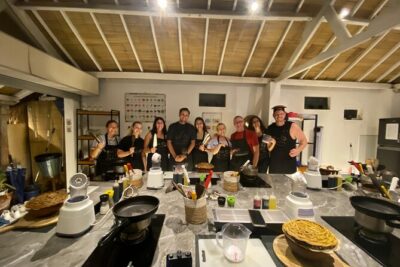
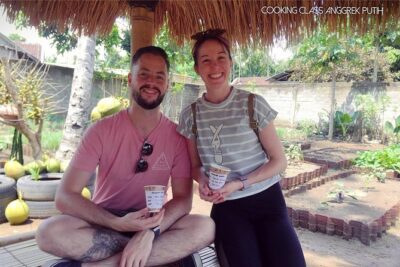
Learn to cook Indonesian food at Gili Cooking Classes Trawangan
Read our review →
Tetebatu Walking Tour – Rice Terraces, Waterfall & Monkey Forest
Read our review →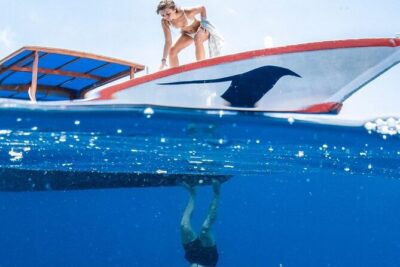
Gili Island Snorkeling Trip – Gili Trawangan, Gili Meno, & Gili Air, From Lombok
Read our review →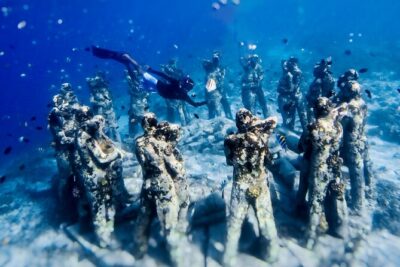

Private Snorkeling Gili Island (Coral, Statue and Turtle)
Read our review →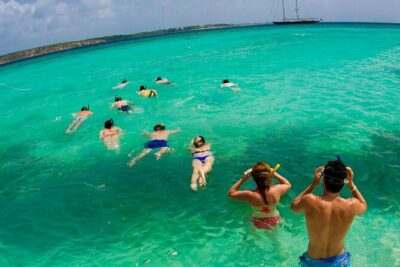
Day Trip 5 Secret Gilis : Layar, Rengit, Nanggu, Tangkong, Kedis
Read our review →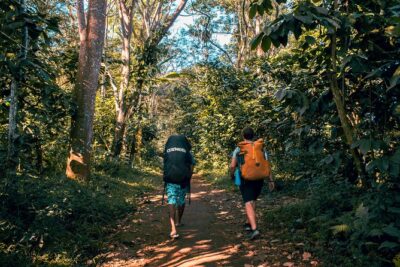
Browse the lists this tour appears in