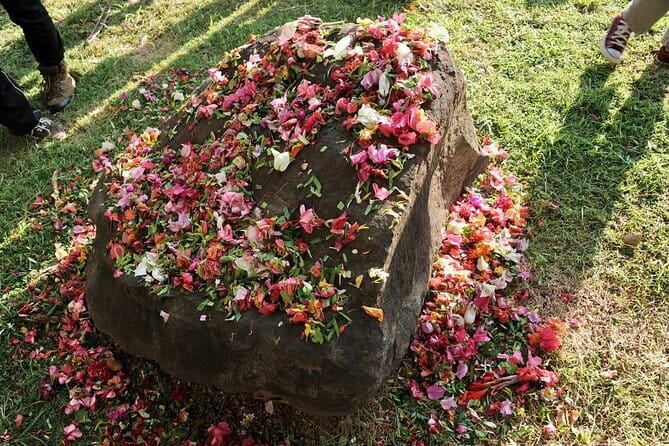
Reviewed · TOURS
Tsunami Museum and Affected Areas Tour of Banda Aceh
The most striking part of this Banda Aceh tour is seeing the physical force of the 2004 tsunami up close. A 2,600-ton power plant ship was swept into a residential area, while a fishing boat came to rest on top of a house in Desa Lampulo. These are not abstract displays. They are large, unmistakable reminders of what happened.
I like the way the tour combines the Tsunami Museum with real affected areas, so you get both explanation and evidence. I also like that transport, lunch, snacks, parking, fuel, and admission tickets are included in the $119.26 price. The main consideration is the schedule: the advertised day runs from 8:00 AM pickup to a 7:00 PM return, while the core itinerary lists about nine hours and leaves some time between stops.
Key points at a glance
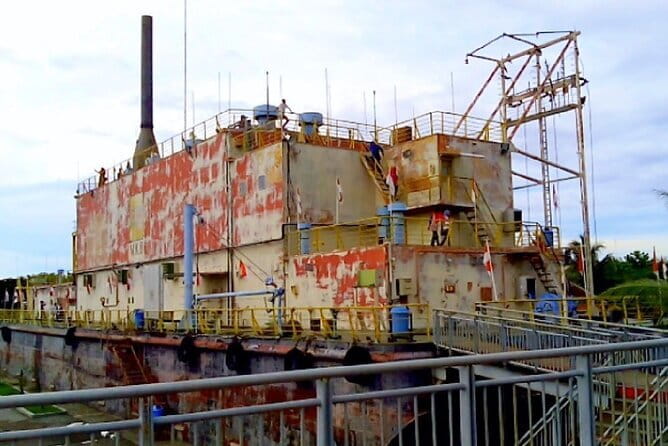
- The PLTD Apung 1 ship shows how far tsunami waves could carry a massive industrial vessel.
- The boat at Desa Lampulo offers another powerful, highly unusual sight: a fishing boat lodged on a house.
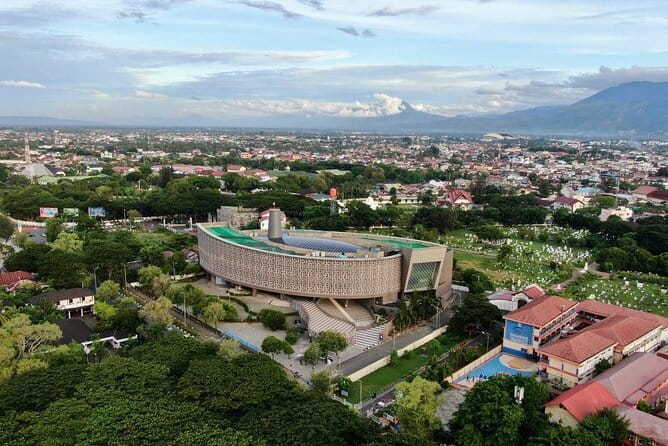
- The Tsunami Museum covers personal stories, photographs, video, tsunami science, artifacts, and reconstruction.
- A private, air-conditioned vehicle gives your group a more comfortable way to move between scattered sites.
- Lunch, snacks, tickets, parking, and fuel are included, which makes the price easier to assess.
- The tour is reflective rather than lighthearted, with a mass graveyard, memorials, and survivor accounts included in the wider program.
Why Banda Aceh’s tsunami sites matter
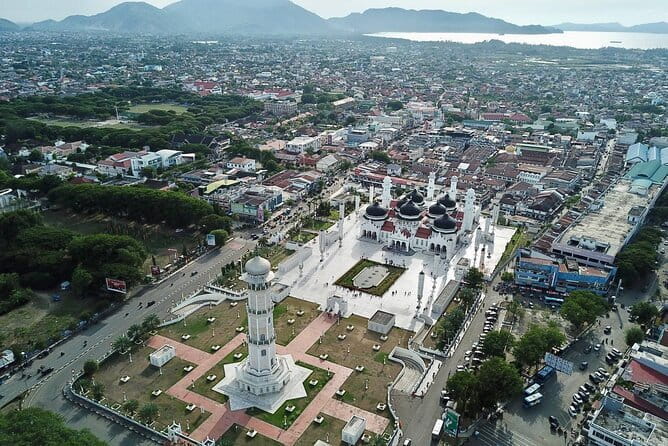
Banda Aceh is one of the places most closely associated with the Indian Ocean tsunami of December 2004. The disaster destroyed homes and public buildings, took many lives, and changed the city forever. This tour is built around remembering that event while showing how communities were rebuilt afterward.
You are not simply visiting one museum and heading back to your hotel. The route links indoor exhibits with outdoor evidence. That contrast matters. Inside the museum, you can learn about the science and human cost of the tsunami. Outside, you can see a ship and boat that were pushed far from their normal settings.
The tone is serious. You should expect time for quiet reflection at the mass graveyard and memorial sites, not a rapid checklist of photo stops. One of the strongest parts of the experience is the balance between grief and recovery. The focus is not only on what was lost, but also on how Aceh continued.
More museums and galleries in Indonesia:
- ARMA Museum Visit
★ 4.5 · 46 reviews - Jakarta: Miniature Park, National Museum & Traditional House Tour
★ 4.5 · 17 reviews - Nusa Dua: Museum Pasifika Admission Ticket with Audio Guide
★ 4.3 · 4 reviews
Starting with hotel pickup in Banda Aceh
Pickup is offered from Banda Aceh, with the day scheduled to begin around 8:00 AM. You receive a welcome briefing before setting out, which gives the guide a chance to explain the plan and set the right tone for the visit.
Because this is a private activity, only your own group participates. That makes a difference at places connected to loss. You can move at your group’s pace, ask questions without competing with a large crowd, and take a quiet moment when a site calls for it.
The air-conditioned vehicle is another practical advantage. The stops are spread across the city and surrounding affected areas, so you will spend time on the road. In Aceh’s warm climate, returning to a cooled vehicle between visits is useful, especially during a long day.
The start and finish times deserve attention. The schedule shows pickup between 8:00 and 9:00 AM, a return around 7:00 PM, and several gaps between listed visits. Confirm the exact pickup time and final route when booking, particularly if you have an evening flight or another fixed plan.
Inside the Aceh Tsunami Museum
The Tsunami Museum is the day’s main teaching stop, with about one hour set aside and admission included. Its displays cover the event through personal artifacts, photographs, videos, and written accounts. You can also find material on tsunami science, including how these waves form and why their impact can be so severe.
The personal objects and individual stories are likely to make the greatest impression. A large disaster can feel distant when reduced to dates and numbers. Personal belongings and photographs bring it back to ordinary people and ordinary lives.
The museum also includes a tsunami simulation. The supplied details do not explain its exact format, so you should think of it as one part of the museum rather than the entire visit. The science displays help explain the forces behind the destruction, while the memorial material keeps the focus on those affected.
A one-hour visit is enough for an introduction, but it is not a long museum study session. If you read every panel closely, you may want more time. The private format helps somewhat because your guide can explain key points and help you focus on the sections most relevant to your interests.
The museum is not presented only as a place of tragedy. Exhibits on reconstruction and recovery show the long work that followed. That wider view is important. You leave with a better sense of both the disaster and Aceh’s response to it.
The PLTD Apung 1 power plant ship
After the museum, the tour visits PLTD Apung 1 for about 45 minutes. This is a diesel power plant ship weighing approximately 2,600 tons. Tsunami waves swept it into a residential area, where it now serves as one of Banda Aceh’s clearest reminders of the disaster’s physical reach.
The scale is what gives this stop its force. A photograph can show destruction, but standing beside an enormous vessel in a neighborhood makes the story easier to grasp. The ship’s location tells you that the water moved objects far beyond their usual setting.
Audio and visual information are available at the site, adding some explanation to what you see. The visit is fairly short, so use the time to look closely, listen, and ask the guide how the ship relates to the wider damage in the area.
This stop is especially useful for people who learn through objects and places rather than museum text. It is also one of the most memorable photo opportunities on the route, though the subject deserves a respectful approach. The ship is not merely an unusual attraction. It is tied directly to homes, families, and lives lost.
Same base, a completely different kind of day:
- All-Inclusive Ubud Private Tour
★ 5.0 · 14,344 reviews - Best of Ubud Full-Day Tour with Jungle Swing
★ 5.0 · 8,571 reviews - Ubud: Monkey Forest, Jungle Swing, Rice Terrace, and Water Temple
★ 5.0 · 7,160 reviews - ️Nusa Penida by Private Boat – Snorkeling 4 spots, Swim with Mantas + Land Tour
★ 5.0 · 6,424 reviews
The fishing boat at Desa Lampulo
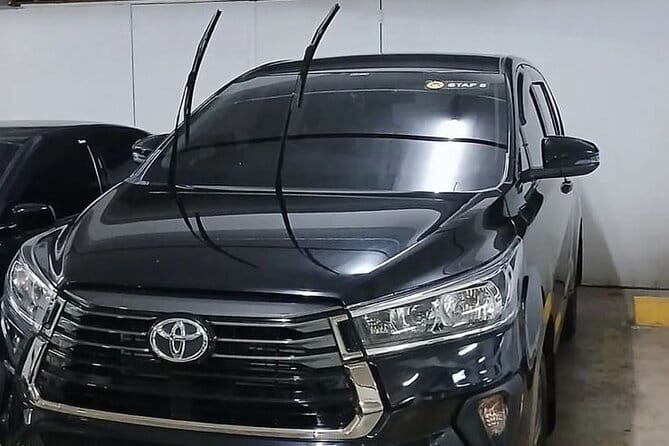
The next unusual sight is a fishing boat at Desa Lampulo. Tsunami waves carried the boat onto the roof of a house, where it became another physical marker of the water’s power.
The stop lasts about 30 minutes. That is enough time to see the boat, take in the setting, and hear the explanation, but it is not designed as a long neighborhood walk. The house and boat together make the scene especially easy to understand: the vessel is not displayed in a maritime museum, but in the place where the wave left it.
I find this kind of stop valuable because it connects a huge regional disaster to a single household. PLTD Apung 1 shows industrial scale. The Desa Lampulo boat shows a smaller object caught up in the same force. Together, the two visits give the day a strong visual structure.
The supplied schedule also includes time in affected areas and rebuilt communities. Specific streets, buildings, or rebuilding projects are not named, so the exact route may depend on local conditions and the guide’s plan. Ask questions during the drive if you want more context about what you are seeing.
The mass graveyard and memorial stops
The wider tour schedule includes a visit to a mass graveyard around late morning, followed by memorials and other poignant landmarks later in the day. These stops change the pace. After the museum and ship, you move from learning about the event to honoring the people who died.
You should expect a respectful setting rather than a sightseeing stop with lots of activity. The exact details of the graveyard and memorial locations are not specified, so your guide will be important in explaining what each place represents.
The memorial portion is also where the tour’s purpose becomes clearest. The day is not only about seeing strange objects moved by water. It is about remembering victims and understanding how the disaster affected Acehnese communities.
If you are traveling with children or with someone who finds disaster memorials difficult, consider the emotional weight of the full program. Most people can participate physically, but the subject matter is serious. A private tour lets your group take a little more time or keep the conversation quiet when needed.
Survivor stories and rebuilt communities
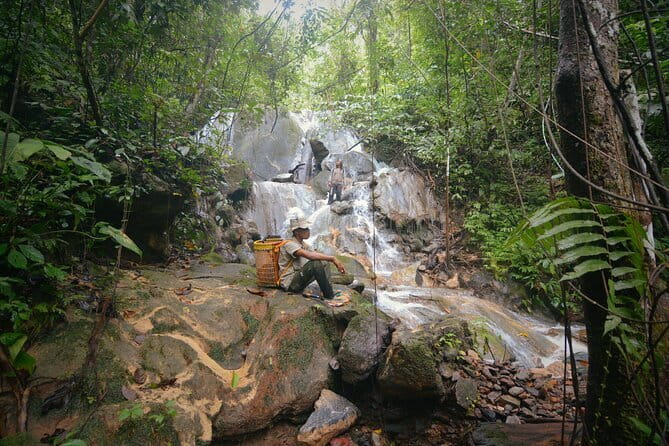
The itinerary includes time for firsthand survivor accounts in the afternoon. These stories can add a human voice to the museum displays and outdoor sites. The information provided does not identify the speakers or guarantee a specific survivor at every departure, so treat this as a scheduled storytelling element rather than a named personal meeting.
The tour also includes a visit to affected areas and rebuilt communities. This section helps you see Aceh as a living city, not a place frozen in 2004. Reconstruction exhibits at the museum provide one view of recovery, while the rebuilt areas offer a direct look at the city’s continuing life.
The exact balance between formal explanation, local storytelling, and driving depends on the guide and the day’s route. Since this is a private activity, you can ask for more background on rebuilding, local memorial customs, or the areas you pass.
Lunch, snacks, and what the price covers
The price is $119.26 per person. For a private nine-hour experience, that is not a bare museum ticket. The package includes hotel pickup, private transportation, an air-conditioned vehicle, fuel surcharge, parking fees, entrance tickets, snacks, and lunch at a local restaurant.
That bundle gives the tour real practical value. You do not need to arrange separate transport between sites, find parking, or budget for each admission. Lunch and snacks also matter on a long day that begins in the morning and ends in the evening.
The value depends partly on group size. Since this is private, the price buys flexibility and a dedicated vehicle rather than a place on a large shared bus. For solo visitors or couples, the per-person cost may feel substantial. For a small group, the convenience becomes easier to justify.
Lunch is described as taking place at a local restaurant, but no menu or restaurant name is provided. If you have dietary requirements, ask about them before departure. Tips are not included, so budget separately if you want to thank the guide or driver.
Timing, comfort, and practical limits
The experience is advertised at approximately nine hours, but the detailed schedule stretches from morning pickup to a 7:00 PM hotel return. The listed sequence includes museum time, memorial visits, lunch, affected areas, survivor stories, and final reflection stops. Allow most of a day, not just a quick morning outing.
The vehicle and private format are the strongest comfort features. You can expect air conditioning and private transportation, with parking and fuel handled for you. The tour is also listed as near public transportation, although pickup is offered and the package is designed around private transport.
Most people can participate, according to the available information. No specific accessibility details are given for every site, so ask before booking if you need step-free access, seating, or other assistance.
The tour operates daily from Monday through Sunday, with stated operating dates from October 1, 2025, through November 25, 2026, and opening hours of 9:00 AM to 6:00 PM. Since the tour itself begins earlier than those hours, confirm the date and pickup arrangement at booking.
Free cancellation is available if you cancel at least 24 hours before the local start time. Changes or cancellations made inside that window are not accepted for a refund.
Who will appreciate this experience most
I would choose this tour if you want context, not only a museum visit. It suits you if you are interested in disaster history, memorial sites, community recovery, or the human stories behind major events.
It is also a good fit if you prefer a private day with transport arranged. The route includes several separate locations, and having a vehicle, driver, parking, and tickets handled removes much of the day’s friction.
You may want to think twice if you are looking for a relaxed beach outing or a broad sightseeing tour of Banda Aceh. The subject is focused and emotionally heavy. The tour does not present a long list of unrelated attractions. Its strength is also its limit: nearly every stop connects to the tsunami and its aftermath.
The program works best when you allow time for reflection. Rushing from the museum to the ship to the boat would miss much of the point. Ask questions, listen to the explanations, and notice how the city’s present life sits alongside these reminders of the past.
Should you book the Banda Aceh tsunami tour?
Book it if you want the clearest introduction to Banda Aceh’s tsunami story in one organized day. The combination of the museum, mass graveyard, PLTD Apung 1, boat at Desa Lampulo, affected areas, survivor stories, and memorials gives you a fuller picture than any single stop could provide.
The strongest reasons to choose it are the private vehicle, included meals and tickets, and the chance to see two extraordinary objects left in place by the waves. The main cautions are the long day, serious subject matter, and some uncertainty about the exact timing and final locations in the wider itinerary.
At $119.26 per person, I see fair value for a private, transport-based experience with food, admission, parking, and fuel included. Confirm the pickup time and how the survivor and rebuilt-community visits are handled. If those details suit your plans, this is a thoughtful and practical way to understand Aceh’s loss, recovery, and continuing strength.
FAQ
Where does the tour start?
The tour starts in Banda Aceh, Banda Aceh City, Aceh, Indonesia, with pickup offered.
How long does the tour last?
The experience is listed as approximately nine hours. The detailed schedule begins with morning pickup and shows a return to the hotel around 7:00 PM.
Is hotel pickup included?
Yes. Hotel pickup is offered, with the day beginning around 8:00 AM to 9:00 AM.
Is this a private tour?
Yes. Only your group participates in the activity.
What transportation is provided?
Private transportation is provided in an air-conditioned vehicle. Fuel surcharge and parking fees are included.
Are entrance tickets included?
Yes. Tickets for the listed stops are included in the tour price.
Are food and snacks included?
Yes. Snacks and lunch at a local restaurant are included.
Which main sites does the tour visit?
The main listed stops are the Aceh Tsunami Museum, PLTD Apung 1, and the fishing boat at Desa Lampulo. The wider schedule also includes a mass graveyard, affected areas, rebuilt communities, survivor stories, and memorials.
Can most people participate?
The activity states that most people can participate. Specific access details for each location are not provided.
Can I cancel for a full refund?
Yes, if you cancel at least 24 hours before the experience start time. Cancellations or changes made less than 24 hours before the start are not eligible for a refund.
Just added around Indonesia
- Bali ATV Quad Bike and White Water Rafting – All Inclusive★ 5.0 · 7 reviews
- Bali ATV Ride with Jungle Swing and Rice Terrace Tour★ 5.0 · 50 reviews
- Combo Bali ATV Ride with Ayung River Rafting All Inclusive★ 4.5 · 12 reviews
- Bali ATV Ride Adventure★ 4.0 · 22 reviews
- Melukat – The Purification Ceremony at Tirta Empul Temple★ 5.0 · 6 reviews
- Bali ATV Quad Bike with Ubud Day Tour All Inclusive★ 5.0 · 19 reviews
- Bali ATV Ride Adventure and Bali Swing Packages – All Inclusive★ 5.0 · 14 reviews
- Bali ATV Combined with Mumbul Lake And Sangeh Monkey Forest★ 5.0 · 34 reviews
Tours, compared.

️Nusa Penida by Private Boat – Snorkeling 4 spots, Swim with Mantas + Land Tour
Read our review →
Tanah Lot and North Bali Tour: Scenic Journey
Read our review →
️ Bali Instagram Tour: The Most Famous Spots (Private & All-Inclusive)
Read our review →
Full-Day Tour to Water Temples and UNESCO Rice Terraces in Bali
Read our review →