Reviewed · TICKETS
Nusa Dua: Museum Pasifika Admission Ticket with Audio Guide
Museum Pasifika packs an unusually broad art collection into Nusa Dua, from Indonesian masters and Bali-inspired European painters to nearly 200 Pacific sculptures. I like the chance to see artists such as Raden Saleh, Lempad, Affandi, Hendra, and Kobot in one visit, then shift to Oceania and the South Pacific.
I also like the quiet gallery setting and the included tea, coffee, infused water, cold towel, and refreshment. The English or Indonesian audio guide gives the works more context than a quick walk through can provide. The main concern is the building climate: one verified visitor found the galleries underwhelming because some art appeared unprotected, doors were left open, and there was no air conditioning.
Key points
- More than 600 works by about 200 international artists fill the museum.
- Over 50 Indonesian artists include Raden Saleh, Lempad, Affandi, Hendra, and Kobot.
- Around 200 Pacific sculptures come from 10 nations in the Michoutouchkine and Pilioko collection.
- European artists shaped by Asia include Walter Spies, Miguel Covarrubias, Jean Le Mayeur, and Charles Sayers.
- Audio guides in English or Indonesian help explain the collection as you move through the rooms.
- A $7 ticket with refreshments offers good value for art lovers already spending time in Nusa Dua.
Why Museum Pasifika Is Different From a Standard Bali Museum
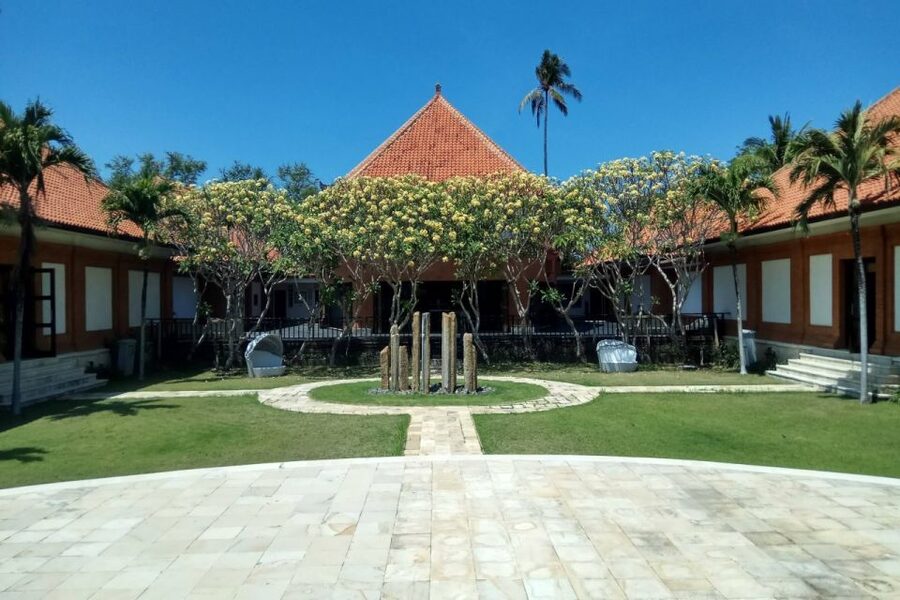
Museum Pasifika is not focused on one period, one country, or one artistic school. Its appeal comes from the connections between Indonesia, Bali, Europe, Asia, and the Pacific islands.
You can begin with Indonesian art, move into works made by European artists inspired by Bali, then reach sculpture from Oceania. That change of subject gives the visit a broad cultural frame. You are not simply looking at decorative paintings. You are seeing how artists from different places interpreted Indonesia, Asia, and the Pacific.
The collection contains more than 600 paintings and sculptures by around 200 artists. That is a substantial amount for a $7 admission ticket, though the number alone should not set your expectations too high. This is a museum for browsing and comparison, not a guided, tightly scripted attraction with a major presentation at every turn.
I would allow at least an hour if you want to move at an easy pace and use the audio guide. You can spend longer if certain rooms catch your attention. The ticket is valid for one day, so you have flexibility with your timing.
More museums and galleries in Indonesia:
- ARMA Museum Visit
★ 4.5 · 46 reviews - Jakarta: Miniature Park, National Museum & Traditional House Tour
★ 4.5 · 17 reviews - Tsunami Museum and Affected Areas Tour of Banda Aceh
★ 5.0 · 4 reviews
Starting With Indonesian Masters
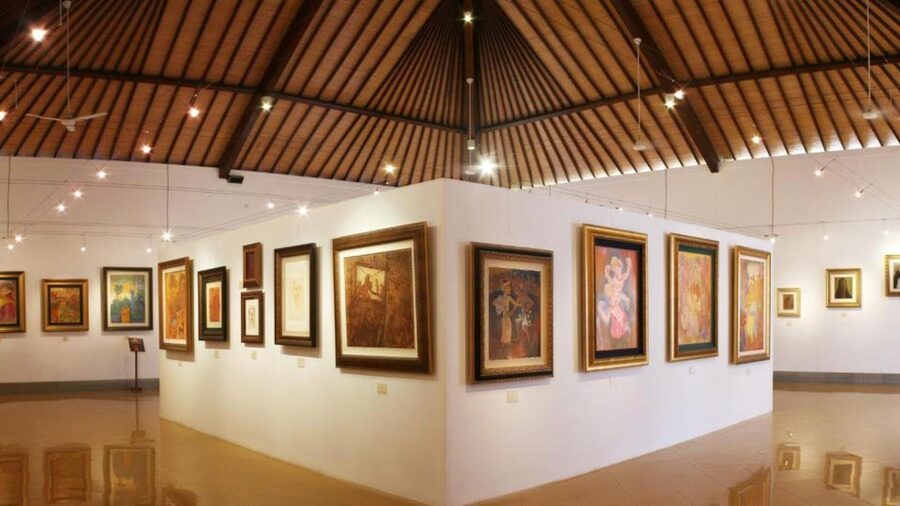
The Indonesian section is the natural place to begin. More than 50 Indonesian artists are represented, giving you a useful look at the range of the country’s art rather than a single local style.
The names here matter. Raden Saleh is known as a major Indonesian painter with a strong connection to European academic art. Lempad is closely associated with Balinese artistic traditions. Affandi is known for expressive modern painting, while Hendra and Kobot add further variety to the national collection.
You do not need to arrive with an art-history background. The audio guide is useful because it can provide the basic setting for each artist and help you notice differences in technique, subject, and mood.
I like this part of the museum for one practical reason: it gives you a stronger context for Bali than a gallery filled only with foreign impressions of the island. You see Indonesian voices first, then you can judge the European and international works with a better sense of comparison.
The collection also shows that Indonesian art is not one neat category. The artists come from different generations and traditions, and the museum presents painting and sculpture together. That makes this section worthwhile even if you only have a general interest in Bali’s culture.
European Artists Inspired by Bali and Asia
The next section shifts the viewpoint. Here you find Indo-European artists whose work was shaped by time in Asia, especially Indonesia and Bali.
The museum gives special attention to Italian, French, and Dutch creators. Walter Spies, Miguel Covarrubias, Jean Le Mayeur, and Charles Sayers are among the names represented. Their work reflects the long fascination that European artists had with Bali’s people, ceremonies, scenery, and daily life.
This is one of the more interesting parts of the visit because it raises a useful question: what changes when an outsider paints another culture? Some works may feel romantic or idealized. Others can offer careful observation and strong visual skill. The value is in seeing both the beauty and the viewpoint behind the image.
The audio guide can help here. Without some background, you might simply pass from one attractive painting to the next. With explanations, you can pay closer attention to the artist’s nationality, time in Asia, and approach to the subject.
The museum also includes work by Indonesian students of the Beaux-Arts School of Hanoi. Their inclusion broadens the story beyond Bali and Europe. It points to artistic links across Southeast Asia and gives you another way to see how training and international exchange shaped modern art in the region.
The Michoutouchkine and Pilioko Pacific Collection
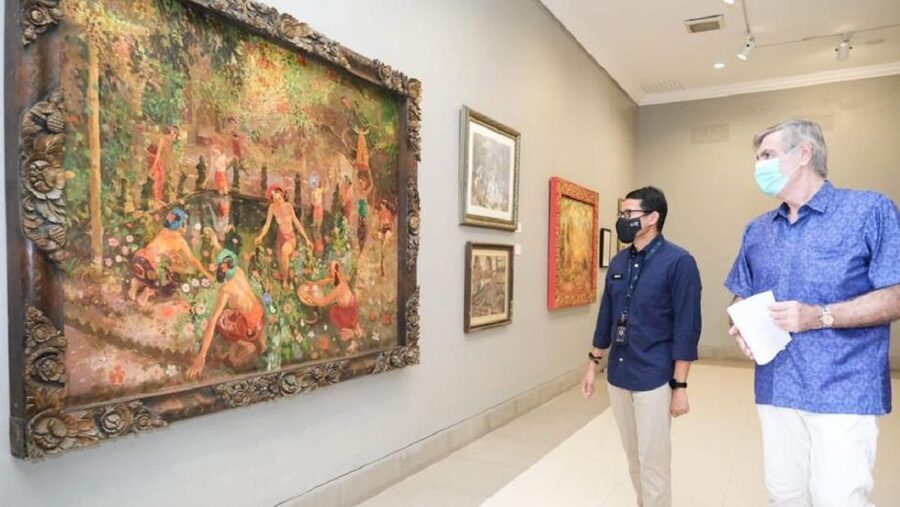
The largest change in atmosphere comes with the Michoutouchkine and Pilioko Collection of Premier Art of Oceania. It contains about 200 sculptures from 10 Pacific nations.
The collection was gathered over 50 years by the two artists, and it is described as one of the most complete collections of its type. For you, the important point is variety. The Pacific is not one culture, and the display gives you a chance to see works from several island nations together.
Sculpture also changes the pace of your visit. Paintings ask you to stand back and study a flat surface. Three-dimensional works ask you to walk around them, notice the materials, and consider how they occupy the room.
I would make time for this section rather than treating it as a quick add-on. Many visitors come to Bali expecting Balinese art, but the Pacific collection gives Museum Pasifika its wider identity. It is also the section most likely to interest anyone who enjoys indigenous art, sculpture, or the movement of ideas across island cultures.
The collection’s size can be both a strength and a challenge. Two hundred sculptures create a strong sense of scope, but not every piece will hold your attention equally. Use the audio guide selectively and pause at works that give you a clear sense of place, material, or cultural purpose.
More self-guided routes in Indonesia:
- Backlanes and Hidden Sites: A Self-Guided Audio Tour in Seminyak
★ 5.0 · 6 reviews
The Legendary Western Artists Exhibition
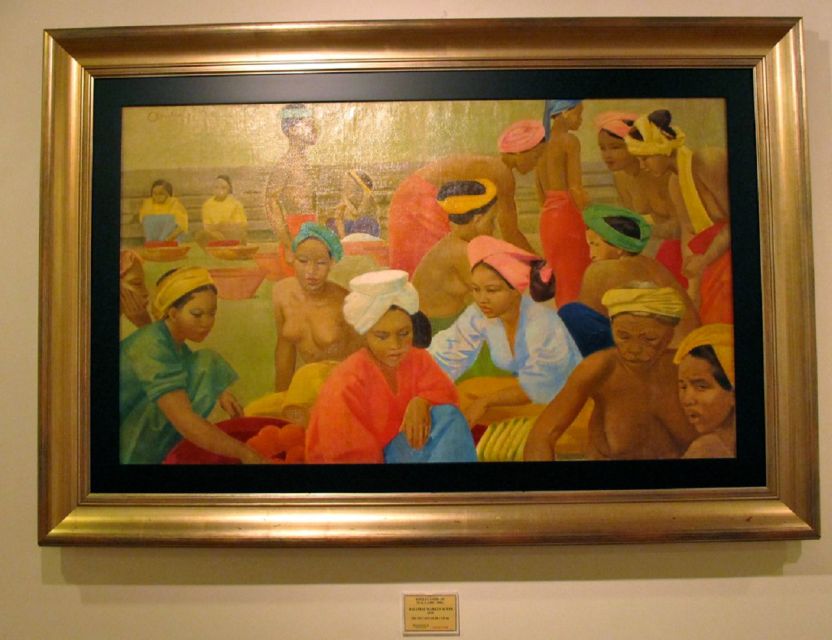
Another section presents Western artists connected to Asia, especially through their work or inspiration from the Pacific.
You can see sculptures and woodcuts by Paul Gauguin from his Tahiti period. Other names include Henri Rousseau, Henri Matisse, Auguste Rodin, Marvina Hoffmann, and Bernard Buffet.
This is a compact way to connect well-known Western art with the places and cultures that influenced it. Gauguin’s Tahiti works are especially relevant beside the Pacific collection, since they allow you to compare a Western artist’s interpretation with art from Oceania itself.
I would approach this room with a little patience. The presence of famous names may sound grander than the actual scale of the display. This is not a huge national museum devoted to Gauguin, Matisse, or Rodin. Instead, you get selected works in a broader museum that links European art with Asia and the Pacific.
That setting is useful. You can see how Western artists looked toward the Pacific, then turn back to the Pacific objects themselves. The comparison is more valuable than simply checking famous names off a list.
Using the Audio Guide Without Rushing
The audio guide is optional and available in English or Indonesian. I recommend it if you want more than a visual stroll.
Museum Pasifika covers many artists, countries, and periods. A wall label may tell you what you are seeing, but an audio guide can explain why a work is included and how it fits the museum’s larger story.
You do not need to listen to every entry. That can turn an easy museum visit into homework. Instead, use the guide for artists you do not know, works that seem culturally unfamiliar, and rooms where the collection changes direction.
The guide also helps with names such as Lempad, Affandi, Walter Spies, and the artists connected to the Pacific collection. If you are visiting with children, you may prefer to choose a few stops and keep the rest of the visit visual.
Because the audio guide is optional, you can decide at the entrance how much information you want. The ticket includes admission, while the activity details identify English and Indonesian as the available guide languages.
The Building, Climate, and Condition of the Art
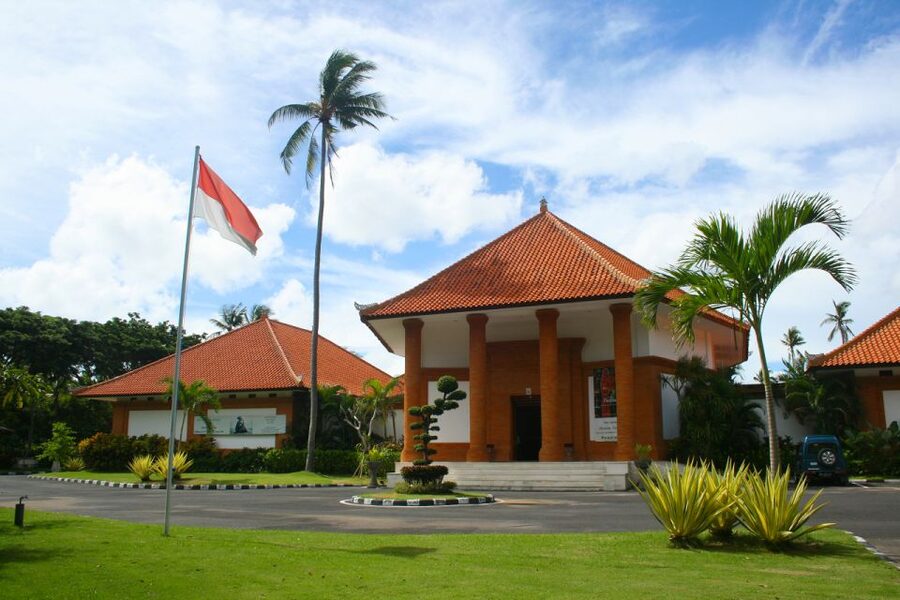
This is where I would keep your expectations realistic. The museum has a relaxed, quiet feel, which can be a pleasant break from Nusa Dua’s resort setting. One verified booking described the visit as great, nice, and quiet, and that calm atmosphere is a genuine part of the appeal.
The building also has a practical weakness. A verified visitor found the experience underwhelming because some works did not appear well protected, doors were left open, and there was no air conditioning. Humidity is a serious concern for paintings, woodcuts, and sculptures, so this is not a minor detail.
You may find the galleries perfectly comfortable for a short visit, but do not expect the controlled climate of a major European or American museum. Bali’s heat and humidity can affect how long you want to stay, especially if you are sensitive to warm indoor spaces.
The lack of air conditioning may also explain why the visit feels more casual than formal. I would go earlier or at a cooler part of your day if you have flexibility, though no specific opening time is provided here. The important point is to treat Museum Pasifika as a thoughtful cultural stop, not a polished blockbuster exhibition.
Flash photography and tripods are not allowed. Weapons and sharp objects are also prohibited. These rules protect the collection and make the rooms easier to move through.
What the $7 Ticket Includes
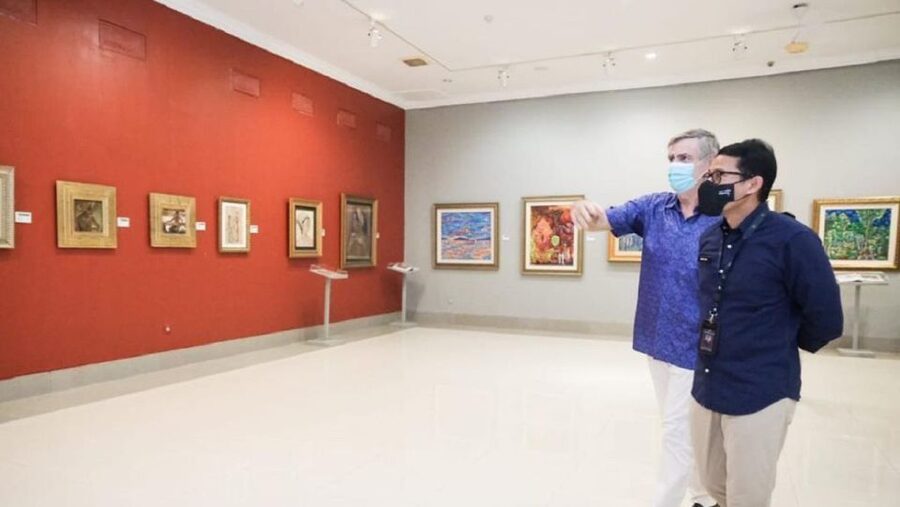
At $7 per person, the ticket is easy to justify if you are already in Nusa Dua and have an interest in art. Admission, access to the galleries, and the optional audio guide provide the main value.
You also receive a refreshment, cold towel, and a choice of tea, coffee, or infused water. These are modest additions, but they suit the museum’s calm pace and give you a short pause before or after the galleries.
The ticket does not include hotel pickup or drop-off. You need to arrange your own way to the museum and show your ticket at the reception area.
For families, children aged 0 to 11 enter free. That makes the museum more affordable for parents, though younger children may not stay engaged through every room. Pick a few artists or sculpture displays as focus points rather than trying to cover all 600 works.
The museum also has a large parking area, a café, and free Wi-Fi. Those facilities make it easier to add the visit to a wider Nusa Dua day without worrying about a quick exit for a drink or a place to park.
Who Should Visit Museum Pasifika
I would recommend this museum to you if you enjoy art but do not want a full-day commitment. The one-day ticket gives you room to visit at your own speed, and the collection is broad enough to offer something different from the usual Bali sightseeing stops.
It is especially suitable for:
- People staying in Nusa Dua who want a cultural break from resort time
- Visitors interested in Indonesian and Balinese artists
- Anyone curious about Pacific sculpture and island cultures
- Families looking for an affordable indoor activity
- Art students or casual museum fans who enjoy comparing regional influences
- Visitors who appreciate quiet rooms more than crowded attractions
I would be more cautious if your main goal is to see pristine, heavily protected masterpieces in climate-controlled rooms. The reported lack of air conditioning and concerns about protection may bother serious museum specialists.
You should also avoid treating the museum as a short photo stop. Flash photography is not permitted, and the real value comes from looking carefully and using the audio guide for selected works.
Access and Practical Details for Your Visit
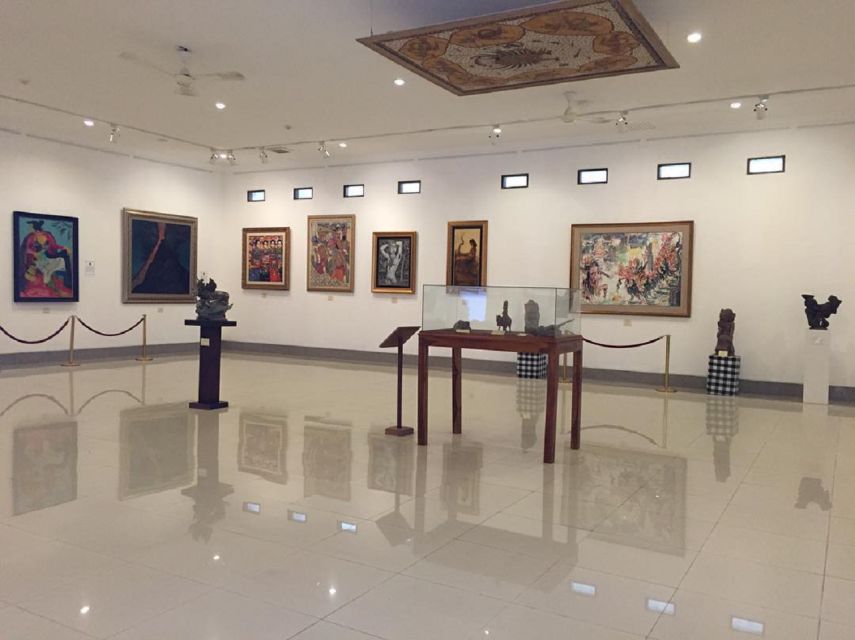
The full galleries and facilities are wheelchair accessible, including access for motorized wheelchairs. That is useful for anyone who wants to take the visit at a measured pace.
You show your ticket at the reception area for Museum Pasifika Bali. There is no hotel transportation included, so plan your own arrival. A large parking area is available onsite.
Free Wi-Fi, a café, and drinks make the visit easier to combine with other plans. The included cold towel and refreshment are welcome in Bali’s warm weather, although they should be viewed as small comforts rather than a major part of the ticket’s value.
You can cancel up to 24 hours before the visit for a full refund, and the reserve now, pay later option keeps your plans flexible. The ticket is valid for the selected visit date, so check availability before booking.
Should You Book Museum Pasifika?
Book it if you want a quiet, affordable art stop with more range than its small admission price suggests. The strongest reasons are the Indonesian masterworks, the unusually large Pacific sculpture collection, and the chance to compare local, European, and Oceanian viewpoints in one place.
Skip it if you expect a polished blockbuster museum or a fully air-conditioned gallery. The building conditions may limit your comfort, and the broad collection can feel uneven if you want a tightly focused exhibition.
For $7, I think Museum Pasifika works best as a flexible Nusa Dua side trip. Use the audio guide, spend extra time with the Indonesian masters and Pacific sculpture, enjoy the included drink, and keep your expectations practical. If you value quiet surroundings and cultural variety, it is a sensible buy.
FAQ
How much does admission to Museum Pasifika cost?
The admission ticket costs $7 per person. Children aged 0 to 11 can enter free of charge.
How long is the Museum Pasifika ticket valid?
The ticket is valid for one day, on the selected visit date.
Is an audio guide included?
An audio guide is available, with English and Indonesian listed as the available languages. The audio guide is optional.
Does the ticket include hotel pickup and drop-off?
No. Hotel pickup and drop-off are not included. You must make your own way to the museum and show your ticket at reception.
Is Museum Pasifika wheelchair accessible?
Yes. The galleries and facilities are accessible for wheelchairs and motorized wheelchairs.
What facilities are available at the museum?
The museum has a large parking area, café, free Wi-Fi, and refreshments. The ticket also includes a cold towel and a choice of tea, coffee, or infused water.
Just added around Indonesia
- Bali ATV Quad Bike and White Water Rafting – All Inclusive★ 5.0 · 7 reviews
- Bali ATV Ride with Jungle Swing and Rice Terrace Tour★ 5.0 · 50 reviews
- Combo Bali ATV Ride with Ayung River Rafting All Inclusive★ 4.5 · 12 reviews
- Bali ATV Ride Adventure★ 4.0 · 22 reviews
- Bali ATV Ride Adventure and Bali Swing Packages – All Inclusive★ 5.0 · 14 reviews
- Melukat – The Purification Ceremony at Tirta Empul Temple★ 5.0 · 6 reviews
- Bali ATV Quad Bike with Ubud Day Tour All Inclusive★ 5.0 · 19 reviews
- Bali ATV Combined with Mumbul Lake And Sangeh Monkey Forest★ 5.0 · 34 reviews
Tickets, compared.
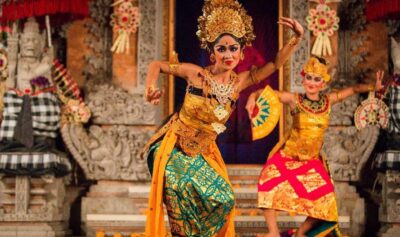
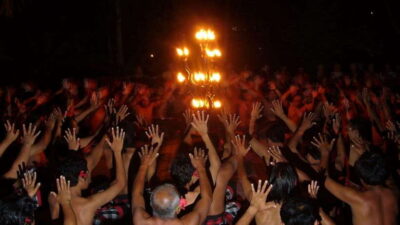

Uluwatu Temple Entry and Kecak Fire Dance Ticket
Read our review →
Tanah Lot Temple Sunset Kecak & Fire Dance Show Ticket
Read our review →