
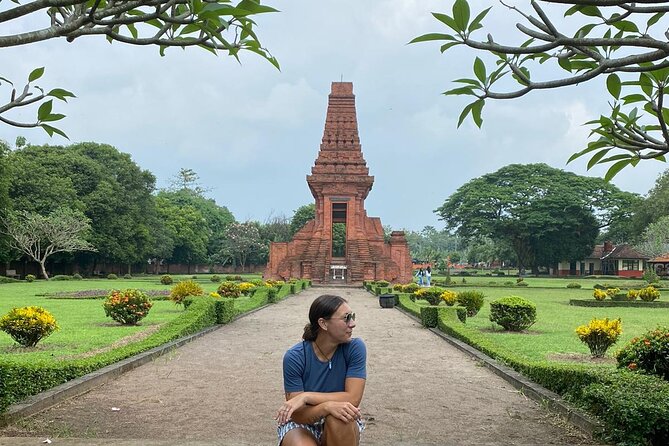
Reviewed · SURABAYA TOURS
Majapahit Heritage Archaelogy tour via surabaya
The most rewarding part of this day is seeing Majapahit history in its original setting. Around Trowulan, red-brick temples, old gateways, sacred pools, and museum artifacts help you picture the Hindu kingdom that once ruled much of eastern Java.
I like the private vehicle, which lets you set a comfortable pace, and I like the mix of major sites with smaller stops such as Candi Gentong. Guides including Pak Barli, Barly, and Bari have earned praise for their explanations and friendly company. The main drawback is the museum: English information can be thin, so your experience depends heavily on the guide.
Key points to know before booking
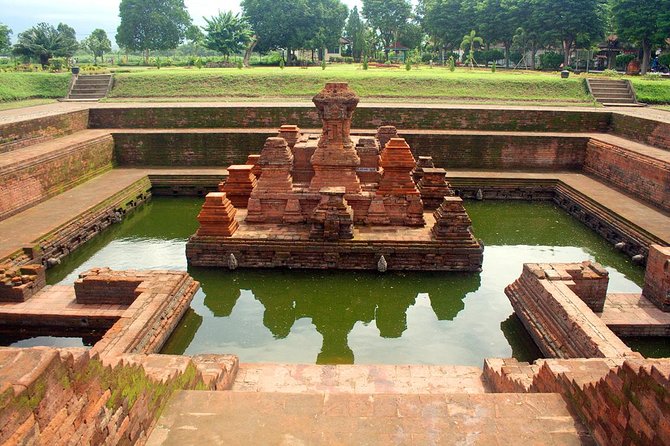
- Five archaeological stops near Trowulan: You visit Wringinlawang, Trowulan Museum, Bajangratu, Tikus, and Brahu with Gentong.
- Private transport from Surabaya: Only your group participates, with pickup and return in Surabaya.
- A full day on the road: The experience lasts about six to ten hours, depending on travel and touring pace.
- Traditional lunch included: Lunch and snacks are provided, with vegetarian food available if requested in advance.
- A good choice for history fans: The day combines temples, household objects, village scenery, and cultural background.
- Book with timing in mind: Confirmation is provided at booking, but you should confirm the pickup hour and be ready with your passport.
Why Majapahit history matters on this Surabaya day trip
Majapahit was a major Hindu kingdom based in eastern Java. Its influence reached far beyond the surviving brick ruins, and the Trowulan area offers one of the clearest ways to connect written history with physical remains.
This is not a tour of one grand monument. It is a day of separate pieces. A gateway suggests the scale of an old capital. A temple shows how religious buildings were shaped in red brick. A museum displays the objects of ordinary life. A sacred pool hints at ritual practice.
That variety makes the experience useful. You are not simply stopping for a photograph, then moving on. You are building a picture of a former capital from fragments.
The tour begins and ends in Surabaya, with a private vehicle taking you between the sites. The advertised duration is six to ten hours. The listed visits add up to about seven hours, before allowing for the drive from Surabaya, meals, and time between locations.
That means you should keep the day open. This is not a quick outing you can squeeze between two fixed appointments. The private format helps, since you can spend more time at a site that interests you and less time at one that feels familiar.
More history-led days in Surabaya:
- Half-Day Private Majapahit Historical Tour from Surabaya
★ 5.0 · 38 reviews - Crafting Heritage Batik Painting Workshops
★ 5.0 · 164 reviews - Jakarta Heritage of Old Batavia Private City Tour (Historical)
★ 5.0 · 143 reviews
Wringinlawang: a gateway into Majapahit territory
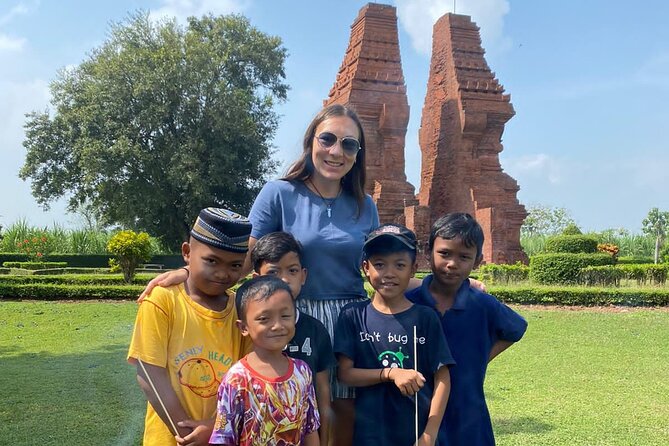
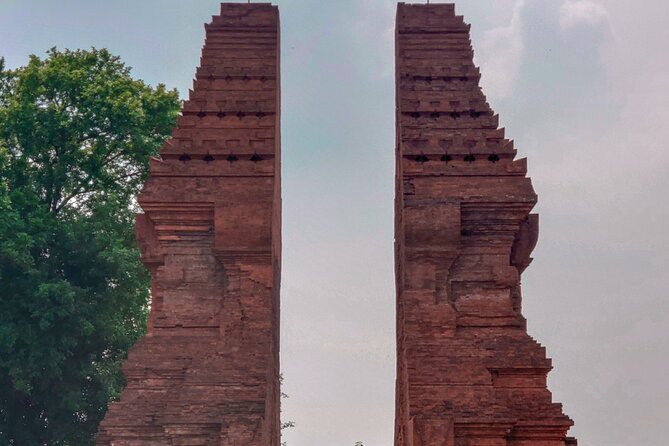
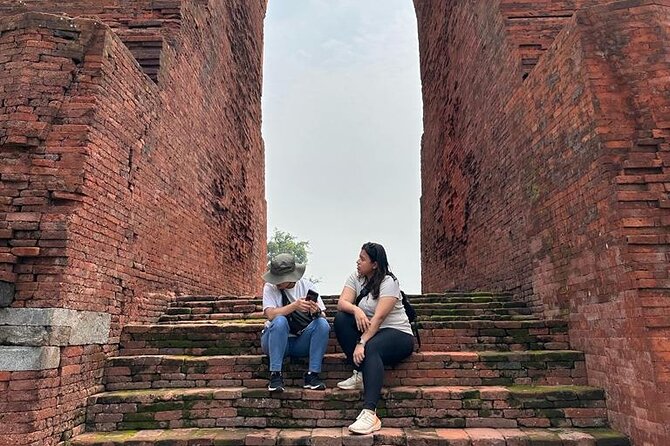
Your first stop is Candi Wringinlawang, a tall red-brick gateway linked with the former Majapahit capital. You have about an hour here, enough time to look closely at the structure and take photographs from different angles.
The shape is more like a split gate than a complete temple. That is part of its appeal. It gives you an immediate sense of architecture connected with entrances, boundaries, and royal space, rather than only worship.
I would use this first stop to ask your guide about the old capital and the role of gateways in Majapahit architecture. The site works well as an introduction because it is easy to read visually. Even if you arrive with little background, the tall brick form makes an impression.
The photography is one of the practical pleasures here. East Java’s open scenery gives the structure room around it, and the brickwork has a strong color in daylight. Bring a phone or camera with enough storage, since the day includes several buildings with different shapes.
Trowulan Museum: the day’s main history lesson
Plan to spend about three hours at the Trowulan archaeological museum. This is the longest stop, and rightly so. It holds artifacts and traditional objects connected with Majapahit and daily life in earlier Java.
The museum is important because the temples alone cannot tell the whole story. At Wringinlawang, Bajangratu, and the other sites, you see large structures. Inside the museum, you can look at smaller objects, household items, and material linked with past customs.
Three hours gives you time to move beyond a quick display-case visit. You can connect what you see here with the outdoor ruins later in the day. Ask your guide to explain which objects relate to religion, domestic life, building, or administration.
There is one clear limitation. English explanations at the museum may be underwhelming for readers who do not speak Indonesian. This is where a guide such as Pak Barli or Barly becomes especially useful. Their role is not just to drive you around, but to add the context that labels may not provide.
The museum may also feel less dramatic than the temples. That is normal. Its value comes from the objects and the explanations, not from grand rooms or theatrical displays. If you are mainly seeking polished attractions, you may find it modest. If you want to understand how people lived, it is essential.
Bajangratu: elegant red brick and careful details
Candi Bajangratu receives about an hour. It is smaller than the main temple complexes many people associate with Java, but its red-brick construction gives it a distinct look.
Take your time with the upper sections and the overall outline. The building’s character comes from proportion and detail rather than sheer size. It is a good place to compare the structure with Wringinlawang and notice how similar materials can produce very different forms.
Your guide can help explain the temple’s place within the wider Majapahit area. Since the site is relatively compact, you should have time for photographs without rushing through the visit.
This stop also helps keep the day varied. After a long museum session, an outdoor temple gives you fresh air and a change of pace. You may find that the smaller scale makes Bajangratu easier to appreciate than a huge complex filled with competing details.
A few more Surabaya half-days to weigh up
- Mount Bromo Sunrise Tour from Surabaya or Malang – 1 Day
★ 5.0 · 1,759 reviews - From Surabaya / Malang : Mt Bromo Sunrise – Ijen Blue Fire 3D2N
★ 5.0 · 351 reviews - Surabaya – Mount Bromo – Tumpak Sewu Waterfall – Ijen Bluefire Tour – Bali 4d3n
★ 5.0 · 350 reviews - From Surabaya / Malang : Mt Bromo Sunrise – Ijen Blue Fire 2D1N
★ 5.0 · 330 reviews
Tikus Temple and the meaning of sacred water
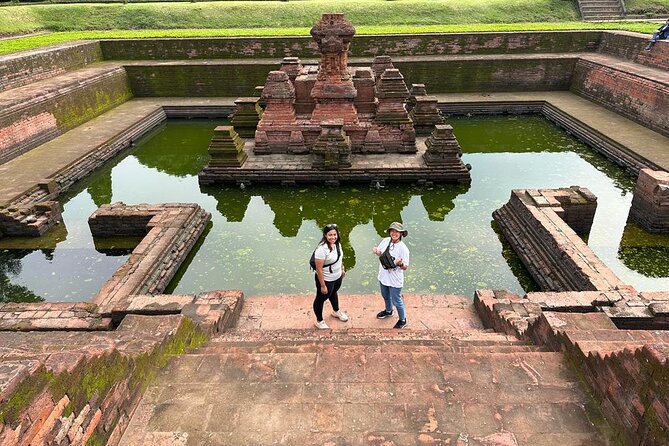
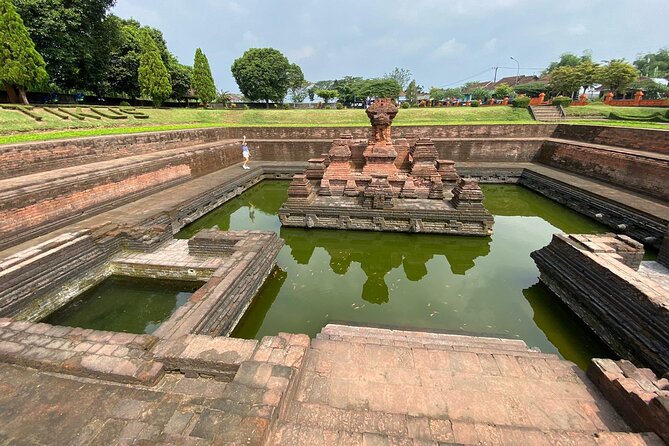
Candi Tikus is another one-hour stop, but its layout is unlike the gateways and tower-like buildings earlier in the day. It has a box-shaped design with a pool in the middle.
The site is believed to have been a holy bathing place for Hindu worship. That central pool is the key feature. It gives the temple a strong connection to water, purification, and ritual practice.
Look at the arrangement from more than one side. The structure is easier to understand when you see how the pool sits within the wider form. Ask your guide how the site may have functioned and how its design differs from a temple meant mainly for an image or shrine.
Tikus is also a good reminder that archaeology does not always give one certain answer. The stated interpretation connects it with sacred bathing, but the surviving structure is still something you have to read through remains and explanation. That makes a guide valuable.
As with the other outdoor stops, the experience depends on the conditions of the day. You will be walking between the vehicle and the sites, so practical footwear and protection from the sun make sense, even though the provided information does not specify the exact walking distance.
Brahu and Gentong: two sites, one wider story
The final stop combines Candi Brahu and Candi Gentong. Allow about an hour. Brahu is described as a Buddhist temple, round in form, and rising upward from the ground. Like the other East Javanese buildings, it uses red brick.
This is one of the most meaningful parts of the tour because it broadens the religious picture. The day begins with monuments tied to a Hindu kingdom, but Brahu points to Buddhist practice as well. The combination is presented as evidence of tolerance between Hindu and Buddhist communities in the period.
Candi Gentong adds another nearby archaeological point of interest. Seeing the two together helps you understand that Trowulan is not just a collection of isolated photo stops. It is an area where religious buildings, royal activity, and daily life once overlapped.
Use this final visit to review the differences you have seen. Wringinlawang is a gateway. Tikus centers on water. Bajangratu has a compact, elegant brick form. Brahu brings Buddhist architecture into the picture. Those contrasts are what make the day more memorable than visiting five similar ruins.
Lunch, villages, and the view between the ruins
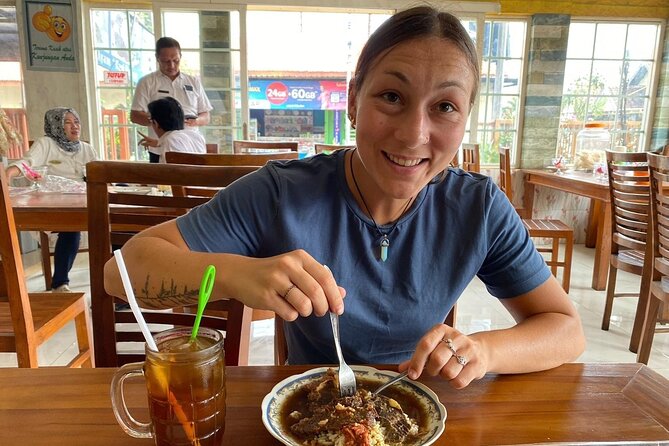
Lunch and snacks are included, and the tour presents the meal as traditional East Javanese cuisine. You should advise the operator about dietary needs when booking. A vegetarian option is available if requested in advance.
Food is not a minor detail on a long archaeological day. The schedule can run six to ten hours, and a proper meal gives you a useful pause between temple visits. The exact dishes are not specified, so you should not book expecting one particular local specialty.
The tour also includes village scenery and the chance to see areas associated with indigenous communities. This part matters because the experience is not limited to monuments behind a gate. You get a sense of the present-day setting around the old capital.
Keep your expectations grounded. The information does not promise a formal village demonstration or a long cultural workshop. Instead, you should think of the villages as part of the route and the setting. They add local context to a day otherwise focused on archaeology.
What the private format changes
This is a private tour, so only your group participates. That is a real advantage at archaeological sites. If you want extra time at a temple, need a slower pace, or have one person in your group who is especially interested in architecture, you have more room to adjust than on a large scheduled coach trip.
A private vehicle also removes the need to arrange separate transport between the sites. Pickup and return are offered in Surabaya, and the tour begins and ends there. Since the sites are spread around Trowulan, that convenience is a major part of the price.
The guide and driver may be the same person. Names associated with the experience include Pak Barli, Barly, and Bari. Pak Barli has been praised for making the relics entertaining and for handling both guiding and driving well.
There was also a serious complaint about pickup communication and the scheduled start time. The practical lesson is simple: confirm the exact pickup hour before the day, and watch for messages from the operator. The available information says confirmation arrives at booking, but clear timing matters when you are leaving Surabaya for a long day.
Is $80 a fair price?
At about $80 per person, the value depends on how many people are in your group. You are paying for a private vehicle, transport from and back to Surabaya, lunch, snacks, taxes, handling charges, and admission to the listed sites.
For one person or a small group, that price can be reasonable because private transport to several archaeological locations would be difficult to arrange independently. Group discounts are offered, so larger parties should check how the final cost changes.
The price does not cover personal expenses, extra food and drinks outside what is specified, or souvenir photographs. It also lists accommodation as included according to the itinerary, although this is described as a day experience, so I would ask the operator to clarify that point before booking rather than assume an overnight stay is part of the deal.
The strongest value comes from the combination of transport and interpretation. If you already have a car, driver, and strong background in Majapahit history, you may need less from the package. If you are staying in Surabaya and want a structured way to reach five sites, the private format makes the cost easier to justify.
Who should book this archaeological tour?
I would recommend it most strongly to people who enjoy history, religious architecture, museums, and places that are less polished than Indonesia’s best-known attractions. You should be comfortable with a full day, several site visits, and a museum where English information may not always be enough on its own.
It also suits photographers. Wringinlawang’s tall gateway, Bajangratu’s brickwork, Tikus’s pool, and Brahu’s unusual shape give you a good range of subjects. The East Javanese scenery between stops adds variety.
Families can participate, but children must be accompanied by an adult. Most people can take part, and the tour is near public transportation, though the private pickup is the more practical option for this route.
I would hesitate only if you want a highly polished museum, a short sightseeing outing, or a tightly timed schedule. The experience is strongest when you accept that archaeology requires patience and that some meaning comes through explanation rather than signs.
Booking tips for a smoother day
Give dietary requirements when you book, especially if you need vegetarian food. Bring a current valid passport on the day, and provide each participant’s passport name, number, expiry date, and country during booking.
Confirm your Surabaya pickup time in advance. The tour includes mobile tickets and admission fees, but keeping the booking details available on your phone is still sensible.
Cancellation is free if you cancel at least 24 hours before the local start time. Changes or cancellations made within 24 hours are not refunded or accepted, so avoid leaving the decision until the morning of the tour.
Should you book the Majapahit Heritage Archaeology Tour?
Book it if you want to understand eastern Java through actual remains rather than a quick city sightseeing loop. The five stops are varied, the private vehicle is useful, lunch is included, and guides such as Pak Barli can make up for limited English material at the museum.
Go in expecting a long day and a somewhat modest museum presentation. The tour earns its value through access, transport, and context. For a history-minded visit from Surabaya, the combination of gateways, temples, sacred water, Buddhist architecture, village scenery, and everyday objects gives you a fuller picture of Majapahit than any single monument could provide.
FAQ
Where does the Majapahit Heritage Archaeology Tour begin and end?
The tour begins in Surabaya, East Java, and returns to Surabaya at the end of the experience.
How long does the tour last?
The tour lasts approximately six to ten hours. The exact length can depend on travel time and how long you spend at each stop.
Is this a private tour?
Yes. Only your group participates in the activity.
Which historical sites are included?
The tour includes Candi Wringinlawang, the Trowulan Archaeological Site and Museum, Candi Bajangratu, Tikus Temple, and Candi Brahu and Gentong.
Is lunch included?
Yes. Lunch and snacks are included. Other food and drinks are not included unless specified.
Is a vegetarian meal available?
Yes. A vegetarian option is available, but you must request it when booking.
Are admission fees included?
Yes. Admission tickets are included for the listed stops.
What is the cancellation policy?
You can cancel up to 24 hours before the experience starts for a full refund. Cancellations or changes made less than 24 hours before the local start time are not accepted for a refund.
Just added around Surabaya
- From Java : Tumpak Sewu, Bromo & Kawah Ijen – 3-Day★ 5.0 · 3 reviews
- 3 Days Tour To Explore Mt Bromo★ 5.0 · 21 reviews
- Surabaya Shore Excursion For Cruise Passengers★ 4.5 · 52 reviews
- Mount Bromo Sunrise Shared Guided Tour from Surabaya★ 4.5 · 13 reviews
- Trowulan Tour Ruin of Majapahit Kingdom from Surabaya★ 5.0 · 25 reviews
- Surabaya Bromo Ijen Drop Bali 3-Day Private Tour★ 5.0 · 27 reviews
- 4D3N Ijen Crater,Papuma Beach, Tumpak Sewu Waterfal & Mount Bromo★ 4.5 · 11 reviews
- 3 days Private Tour of Sewu Waterfalls, Bromo, and Ijen Blue Fire★ 5.0 · 43 reviews
Surabaya Tours, compared.
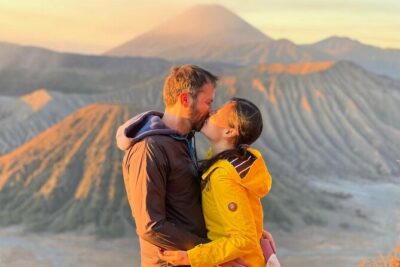
Mount Bromo Sunrise Tour from Surabaya or Malang – 1 Day
Read our review →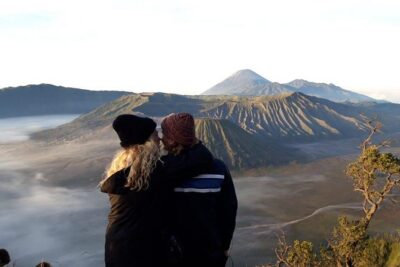
From Surabaya / Malang : Mt Bromo Sunrise – Ijen Blue Fire 3D2N
Read our review →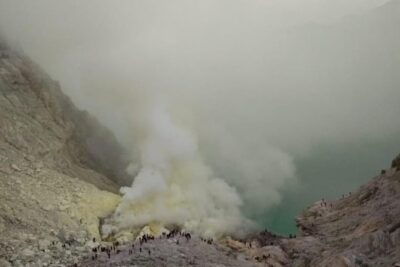
From Surabaya / Malang : Mt Bromo Sunrise – Ijen Blue Fire 2D1N
Read our review →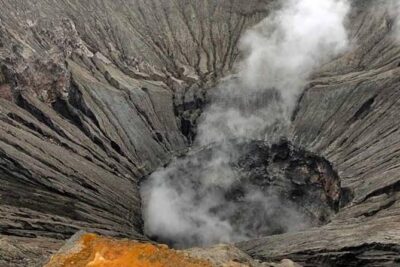
Active Volcanoes Bromo and Ijen – Start Surabaya 3 Days and 2 Nights
Read our review →

4D3N Bromo Ijen Tumpak Sewu Waterfall Tour from Surabaya/Malang
Read our review →
Mount Bromo Private Sunrise Day Tour – From Surabaya or Malang
Read our review →
12 Hours Bromo Midnight Sunrise From Surabaya & Malang
Read our review →Browse the lists this tour appears in