
Reviewed · UBUD TOURS
Crafting Heritage Batik Painting Workshops
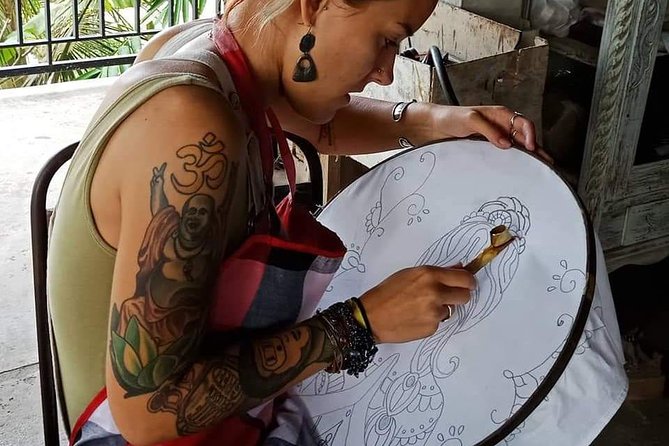
Creating batik is part art class, part quiet cultural visit. At Five Arts Studio near Ubud, you sketch a design, trace it onto fabric with hot wax, then add dye to selected areas. The wax keeps the color out, leaving the original fabric tone as your outline.
I like two things right away: you make a real souvenir instead of buying one, and you work inside a Balinese family compound where art is part of daily life. The instructors, including Dika and Agong, guide beginners with patience while still giving confident artists room to work independently.
The main consideration is simple: batik takes patience. Hot wax can land where you did not plan it, and the process is harder to control than ordinary painting. If you need a quick, polished craft with no surprises, this may test you. If you can accept a few happy accidents, the result becomes more personal.
Key points to know before you book
- Three hours of hands-on batik: You complete the main stages yourself, from design and waxing to dyeing.
- A family-home studio: The class takes place at Five Arts Studio on Jl. Raya Keliki, outside central Ubud.
- Suitable for beginners: You receive guidance at each stage, even if you do not think of yourself as artistic.
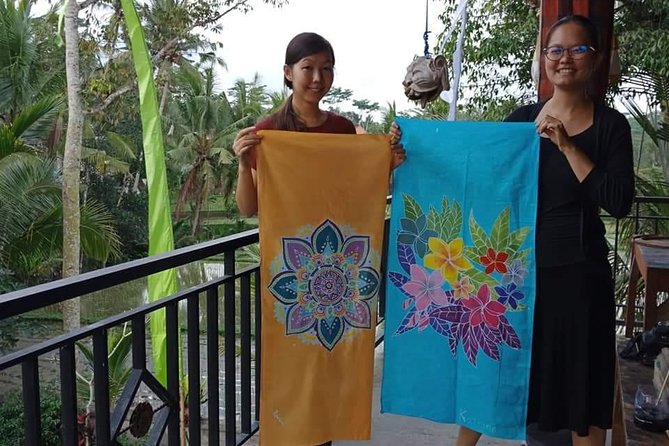
- A take-home fabric artwork: Your finished piece becomes a useful and personal memory of Bali.
- A relaxed class setting: Coffee, tea, mineral water, and snacks are included.
- Good value at $29: The price covers instruction and materials, with lunch available separately if you want it.
Why batik makes a better souvenir than another shop purchase
Batik is hand-decorated fabric made with wax and dye. The wax acts as a barrier, so color reaches only the areas you choose. Once the wax is removed, the untouched lines remain in the cloth’s original color.
That sounds straightforward until you hold the wax tool yourself. Lines need to be drawn carefully, and an accidental drip can change the design. Dye can also spread in ways you did not expect. This is part of the appeal. You are not simply coloring a prepared picture. You are learning how a traditional technique behaves.
I like this kind of souvenir because it carries evidence of your time in Bali. A shop-bought scarf may be beautiful, but your batik piece has your decisions, mistakes, color choices, and effort in it. Even a simple design can recall a calm afternoon in the studio years later.
The class is also a useful introduction to the patience behind batik work. A finished piece may look effortless, yet the process asks for steady hands and attention. You leave with more respect for the craft, not just a colorful square of fabric.
More hands-on workshops in Ubud:
- Ubud Cooking Class Bali with Balinese Chef
★ 5.0 · 1,609 reviews - Ubud Silver Class Jewelry making in bali
★ 5.0 · 978 reviews - PRIVATE Authentic Balinese Cooking Class in Ubud at Putu’s Home
★ 5.0 · 644 reviews
Arriving at Five Arts Studio near Keliki
The meeting point is Five Arts Studio, at Jl. Raya Keliki, Keliki, Kecamatan Tegallalang, Gianyar, Bali 80561. The activity begins and ends there, so you should arrange your own way to the studio unless your wider Bali plans already bring you to the area.
The studio is described as casual and comfortable, set within a family home compound. That matters. This is not a large commercial craft center with a polished visitor route. You are entering a working art space connected to a Balinese household, where local artists, children, and international participants may share the room.
That setting gives the class a more grounded feel. You get to see how an artist lives and works rather than moving through a staged cultural display. The trade-off is that the surroundings may feel rustic rather than formal. Come for the hands-on craft and personal instruction, not for a luxury studio interior.
If you arrive early, you may be offered tea while waiting for the class to begin. The group limit is 30 people, though the actual feel can vary. A smaller session may provide more direct help. A larger group may bring more energy and make the class feel social.
The first stage: choosing and sketching your design
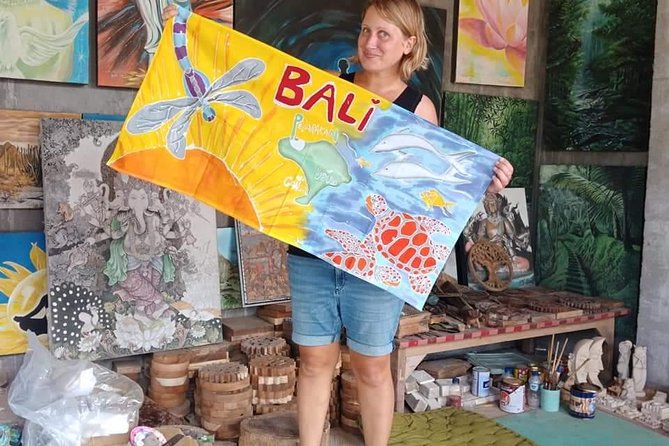
The class starts with an introduction to batik and its basic method. You then choose a design or work from your own idea. The studio provides suggestions and hand-drawn motifs, with options ranging from simple patterns to more detailed designs.
This choice helps the class suit different skill levels. A beginner can select a manageable image and focus on learning the technique. Someone comfortable with drawing can bring a personal motif or alter one of the suggested designs.
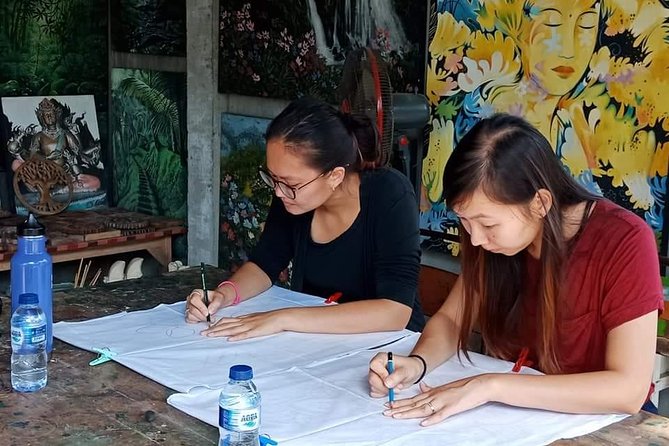
You sketch the design onto the fabric before applying wax. This is an important moment to slow down. The drawing becomes the plan for your color boundaries, so a little care here makes the later stages easier.
Do not expect every line to look perfect. Batik is not a forgiving medium, and the fabric can feel different from paper. I would choose a design with clear shapes rather than one packed with tiny details, especially if this is your first attempt.
The instructors can help you decide how much detail is practical. They also encourage you to add your own touch, so you do not have to copy a template exactly.
The hot-wax stage requires a steady hand
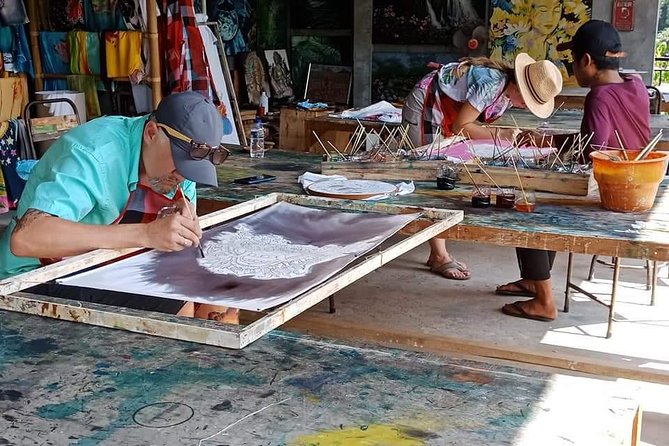
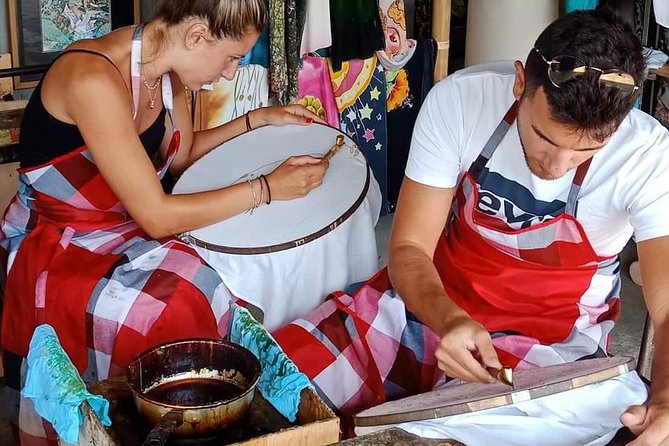
Next, you trace the design with hot wax. The wax creates the barriers that keep dye from entering selected parts of the fabric. This is the most technical part of the class and the stage most likely to surprise you.
Wax may drip, lines may become thicker than planned, and your hand may not move as smoothly as it does with a pencil. One participant described dropping wax in the wrong place, which is a common kind of problem for beginners. The best response is not to panic. Let the instructor help you adjust the design.
This is where patient teaching makes a real difference. Dika and Agong are among the instructors named in connection with the class, and the teaching style is practical: demonstrate the step, let you try it, then offer help when needed.
You can work through every stage yourself under guidance. That gives you a better understanding of the craft than watching someone else complete the difficult parts. It also means the final result is genuinely yours.
For families, the wax stage may need closer help for younger children. A six-year-old has been supported through the process, but the hot material means adults should stay attentive. The activity can work well for families, but it is not a completely hands-off children’s craft.
More history-led days in Ubud:
- BALI ATV Kuber Through Historic Tunnel and Scenic Waterfalls
★ 5.0 · 34 reviews - Jakarta Heritage of Old Batavia Private City Tour (Historical)
★ 5.0 · 143 reviews - Bali Unesco World Heritage Sites Tour (Private & All-Inclusive)
★ 5.0 · 91 reviews - Private Tour: Bali UNESCO World Heritage Sites
★ 5.0 · 62 reviews
Adding dye and accepting happy accidents
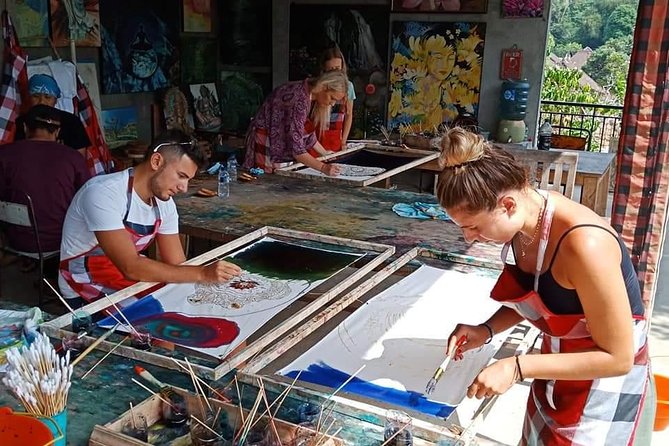
Once the wax lines are in place, you apply colorful dyes to the selected areas. You can choose colors from the supplies and, based on the class format, blend them to create different effects.
This stage feels more like painting, but the wax boundaries still control what happens. You are working within the pattern you created earlier. If the wax line is incomplete, dye may cross into another section. Again, that is not always a disaster. Small irregularities can give the piece a handmade character.
I would advise you to think about color balance before you begin. A few strong colors can make a simple design effective. Covering every area with the brightest shades may make the image harder to read.
The instructors can show you traditional techniques while leaving space for personal choices. That balance is one of the best parts of the workshop. You are not asked to reproduce one official design, but you are also not left alone with unfamiliar materials.
The finished result may not match the picture in your head. That is normal. One of the useful lessons here is learning to adjust rather than erase. Batik rewards patience, not perfection.
The take-home artwork is the real payoff
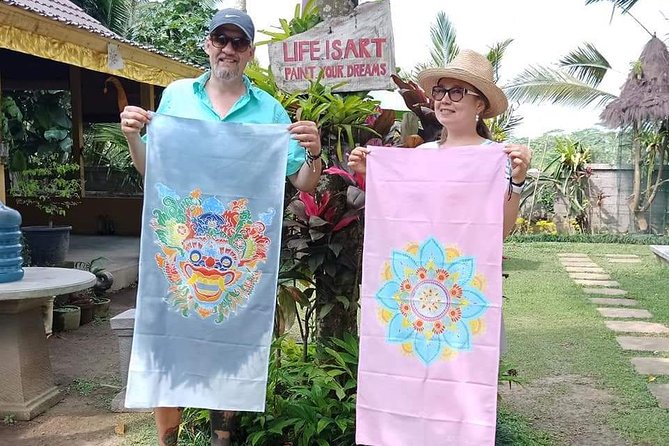
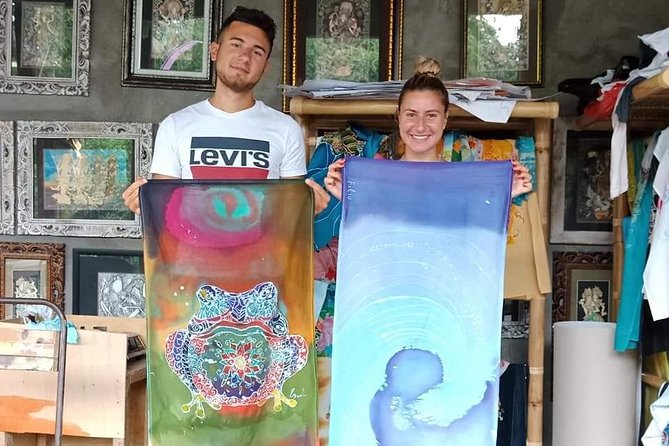
The class includes the materials needed to create your own original batik. The finished piece is the tangible reward, but the process gives it value.
You may produce something simple, colorful, and slightly uneven. That is exactly why it works as a holiday keepsake. It records a particular afternoon and shows the marks of your own hand.
The artwork also makes a more meaningful gift than a generic souvenir. You can explain how the wax created the outlines, why a color spread, and how long it took. The story becomes part of the object.
Be realistic about the word beautiful. The class is designed to help you succeed, and instructors offer reassurance when a design seems to be going wrong. Still, your piece will look handmade, not factory-perfect. I consider that a strength, but people seeking professional-level results should set their expectations accordingly.
Refreshments, lunch, and the pace of the afternoon
Coffee, tea, mineral water, and snacks are included. These small touches suit the unhurried mood of the class and give you a break during a process that calls for concentration.
Lunch is not included, though local food can be ordered separately. Alcohol is available to purchase, but it is not part of the package. Since the class lasts about three hours, plan around mealtimes if you want a full meal rather than snacks.
The pace is long enough to feel substantial without taking an entire day. You have time to learn the method, make design decisions, and complete the main work. It is a good fit for an afternoon when you want something more active than sightseeing but less demanding than a full-day excursion.
The setting also makes this a calmer choice for a Bali itinerary. There is no list of multiple stops to rush through. The one stop is the studio, and the craft itself supplies the structure.
How much value do you get for $29?
At $29 per person, the workshop offers solid value if you want instruction, materials, refreshments, and a finished artwork in one package. You are paying for more than a short demonstration. You take part in the process from start to finish.
The value is especially clear for people who would otherwise spend money on a decorative souvenir. Here, the purchase becomes an activity and a memory. You also get personal help rather than simply picking an item from a shelf.
The price is less compelling if you are only interested in seeing batik made. A demonstration would take less time and effort. This class is aimed at people willing to sit down, practice, and accept that handmade work takes concentration.
A strong rating of 5 out of 5 from 164 ratings, with 99 percent recommending it, supports the idea that the class delivers what it promises. The most consistent strengths are the patient instruction, relaxed atmosphere, chance to create something personal, and the quality of the finished memory.
Who will enjoy this workshop most?
I would recommend it to first-time artists, couples, families, and anyone who wants a cultural activity with a physical result. You do not need drawing experience. The instructors provide designs, explain the process, and help you through difficult steps.
It also suits people who like quiet creative work. The studio atmosphere is described as peaceful, and the activity rewards focus. You can work independently or ask for closer instruction, which gives you control over the level of help.
Families can enjoy it together, though younger children need supervision around hot wax. The class has helped a six-year-old complete the process, but children who cannot sit patiently or follow careful instructions may find the three-hour session long.
I would be more cautious about booking it for someone with limited stamina or mobility, since the stated information asks participants to have a strong physical fitness level. The class is an art workshop rather than a walking tour, but that requirement is still worth noting.
People who want a polished, predictable result may feel frustrated. People who can laugh at an uneven line and keep going will probably get much more from it.
Practical details that can shape your visit
Your mobile ticket makes entry simple, and confirmation is sent when you book. Service animals are allowed, and the studio is near public transportation, though transport to the meeting point is not listed as included.
The activity ends back at Five Arts Studio. That makes it easy to continue with your own plans, but you need to account for the journey to and from Keliki.
The maximum group size is 30. That is not a guarantee of a large class, and the experience can feel very different depending on attendance. If you prefer close guidance, ask for help rather than waiting. The teaching format allows you to work more independently or receive more direct support.
Free cancellation is available if you cancel at least 24 hours before the start time. Inside that window, payment is not refunded and changes are not accepted. The cut-off follows local Bali time, so check the start time carefully before making a last-minute change.
Should you book Five Arts Studio?
Book this workshop if you want a personal souvenir, a calm creative afternoon, and a direct introduction to one of Indonesia’s traditional fabric arts. The chance to work in a family compound, learn from patient instructors, and take home your own batik gives the $29 price real weight.
Skip it if you dislike slow handwork, worry about imperfect results, or want a short activity with no technical learning curve. Batik asks you to pay attention, especially when using hot wax.
For most people, the best attitude is to choose a manageable design, listen carefully, and allow a few mistakes. You are not trying to become a master in three hours. You are learning enough to make something that could only have come from your time in Bali.
FAQ
Where does the batik workshop take place?
The class takes place at Five Arts Studio, Jl. Raya Keliki, Keliki, Kecamatan Tegallalang, Kabupaten Gianyar, Bali 80561, Indonesia.
How long does the activity last?
The workshop lasts approximately three hours.
What happens during the class?
You learn the batik process by sketching a design, drawing it onto fabric with hot wax, and applying dye to selected areas. You can complete each stage with guidance from the instructors.
Is the workshop suitable for beginners?
Yes. The class is designed for artists and beginners, and instructors provide step-by-step help. You can also choose to work more independently.
Are materials included?
Yes. The materials needed to create your own original batik piece are included.
Can I take my finished artwork home?
Yes. You create a unique fabric artwork to bring home as a souvenir.
Are refreshments included?
Coffee, tea, mineral water, and snacks are included. Lunch is available to order separately, and alcohol can be purchased.
What is the cancellation policy?
You can cancel at least 24 hours before the start time for a full refund. Cancellations or changes made less than 24 hours before the activity are not accepted and are not refunded.
Just added around Ubud
- Bali ATV Quad Bike and White Water Rafting – All Inclusive★ 5.0 · 7 reviews
- Bali ATV Ride with Jungle Swing and Rice Terrace Tour★ 5.0 · 50 reviews
- Combo Bali ATV Ride with Ayung River Rafting All Inclusive★ 4.5 · 12 reviews
- Bali ATV Ride Adventure★ 4.0 · 22 reviews
- Melukat – The Purification Ceremony at Tirta Empul Temple★ 5.0 · 6 reviews
- Bali ATV Quad Bike with Ubud Day Tour All Inclusive★ 5.0 · 19 reviews
- Bali ATV Ride Adventure and Bali Swing Packages – All Inclusive★ 5.0 · 14 reviews
- Bali ATV Combined with Mumbul Lake And Sangeh Monkey Forest★ 5.0 · 34 reviews
Ubud Tours, compared.



Monkey Forest, Jungle Swing, Rice Terrace, and Water Temple
Read our review →


Uluwatu Sunset, Kecak Dance, and Dinner Jimbaran Beach
Read our review →
Tanah Lot and North Bali Tour: Scenic Journey
Read our review →
Body Massage Experience in Ubud Traditional Spa
Read our review →Browse the lists this tour appears in