
Reviewed · LOMBOK TOURS
Lombok Sasak Culture Tour from Mataram
Lombok’s Sasak traditions come into focus through working villages, not museum displays. You’ll watch pottery shaped by hand in Banyumulek, see songket cloth made in Sukarara, and walk among bamboo-and-thatch homes in Sade before ending at Tanjung Aan Beach.
I like the mix of hands-on village crafts and an easy beach stop. I also like the small group limit of 10, plus hotel pickup and an air-conditioned car, which make a full day in southern Lombok much simpler.
The main drawback is that lunch costs extra, and the tour gives only about an hour at each cultural stop. The beach also comes late in the day, so this is a useful introduction rather than a slow, in-depth study of Sasak life.
Key points before you book
- Banyumulek pottery: See Sasak artisans shape clay by hand, with finished pieces available to view and buy.
- Sukarara songket weaving: Watch traditional cloth production and shop for colorful woven textiles.
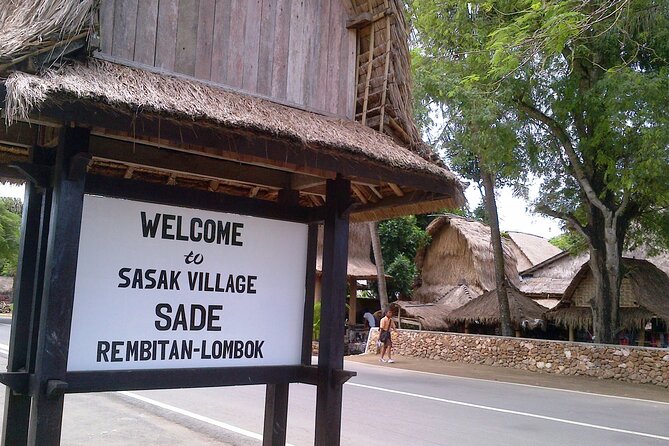
- Sade Village homes: Walk through wood-and-bamboo houses with thatched roofs and traditional rice granaries.
- Tanjung Aan finale: Swim, sunbathe, buy a young coconut, or hire snorkeling equipment at your own cost.
- Practical transport: Hotel pickup and drop-off come with an air-conditioned vehicle and English-speaking guide.
- Small group format: The maximum is 10 people, but at least two people must book together.
Why this Lombok day works for first-time visitors
This is a tidy introduction to several sides of southern Lombok. In roughly eight hours, you move from pottery to weaving, then to traditional architecture and a beach. You won’t become an expert in Sasak culture in one day, but you will gain a clearer sense of how craft, village life, and tourism connect.
The route also saves you from arranging separate transport between scattered places. That matters in Lombok, where a day of independent sightseeing can require careful planning. With an air-conditioned car and hotel pickup, you can focus on the places rather than the road.
Guides Nathan and Yogi have led this experience in both English and Bahasa. Their role matters most at the village stops, where a good explanation can help you understand the difference between a decorative object, a household tool, and a textile tied to local tradition.
The tour is capped at 10 people, which is more personal than a large coach outing. Still, the available rating is 3.7 from three reviews, so I would treat the tour as a useful, value-focused introduction rather than a polished luxury excursion.
A few more Lombok half-days to weigh up
- Learn to cook Indonesian food at Gili Cooking Classes Trawangan
★ 5.0 · 352 reviews - Tetebatu Walking Tour – Rice Terraces, Waterfall & Monkey Forest
★ 5.0 · 349 reviews - Gili Island Snorkeling Trip – Gili Trawangan, Gili Meno, & Gili Air, From Lombok
★ 5.0 · 330 reviews
Banyumulek pottery and the work behind each piece
Your first stop is Banyumulek, a village known for pottery. Pottery has been part of Sasak life here for generations, and the visit centers on the making process rather than only on finished souvenirs.
You can watch a woman shape a future pot with muddy hands. Other pieces may be laid out to dry, giving you a simple but useful look at the stages between raw clay and finished product.
One detail makes this stop especially interesting: the pottery is made without measuring tools. Shape, size, and proportion come from hand skill and experience. That does not mean every piece is identical. In fact, the appeal is in the small differences.
You’ll see pottery in various forms, colors, sizes, and uses. Some pieces may be practical household items, while others are made with visitors and buyers in mind. If you want to take something home, this is a chance to buy directly in the village rather than only seeing the craft in a city shop.
The allotted time is about one hour. That is enough to watch the work and browse, but not enough for a long lesson or a pottery-making workshop. The description does not promise that you will make a pot yourself, so plan to observe and shop rather than take part.
I like beginning here because it puts a human face on Sasak craft. You see the hands, mud, and drying process before the day shifts to textiles and buildings.
Sukarara and the careful art of songket cloth
The next stop is Sukarara, a village known for traditional weaving. The star product is songket, a colorful cloth with intricate patterns and motifs passed down through generations.
Weaving gives you a different view of local work than pottery. Pottery is shaped quickly by hand, while woven cloth depends on repeated patterns and patient construction. The techniques may look simple at first, but the finished designs reflect a long tradition.
You should allow time to look closely at the patterns. The value is not only in the colors. It is also in the work needed to keep the motifs consistent across the cloth.
Sukarara is also the main shopping opportunity on the cultural part of the day. You can buy woven textiles directly in the village, and the tour information notes that prices may be lower than in shops. That can make a purchase worthwhile, but take a moment to compare patterns, size, and quality before deciding.
The tour gives you about one hour here. That is enough for a short demonstration and browsing. If you have a strong interest in textiles, you may want to ask the guide to explain how the cloth is made and what the patterns represent, though the supplied details do not promise a full weaving lesson.
I see this stop as valuable even if you do not shop. It shows that Sasak culture is not only found in old houses or staged performances. It also lives in work that continues to support village households.
Sade Village and traditional Sasak homes
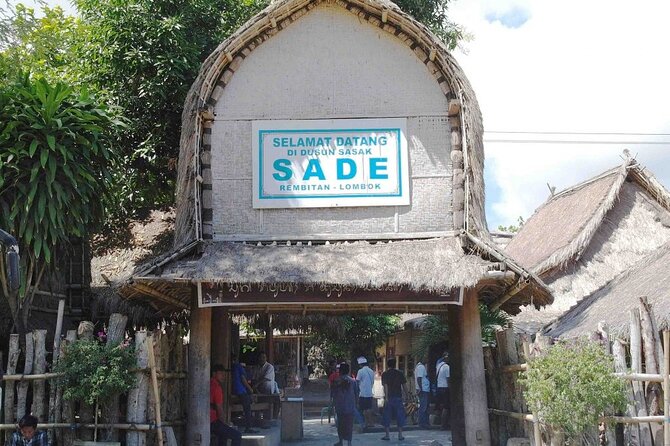
Sade offers the clearest look at traditional Sasak village life on this route. The buildings use wood and bamboo for the walls, with thatched roofs above. Some homes also have rice granaries, a distinctive feature you can look for as you walk through the village.
The architecture is modest, but that is part of its appeal. You are seeing construction shaped by local materials and long-established customs rather than a modern resort style. The village gives you a chance to consider how homes, food storage, and community life fit together.
You have about an hour here, so expect a focused walk rather than a full day among the houses. Wear shoes that are comfortable for walking, and keep in mind that village paths may not feel like smooth urban walkways. The tour data says most people can participate, but children must be accompanied by an adult.
Sade is also connected with traditional weaving. The village has rows of shops where you can look at Sasak textiles and local products. This creates a familiar tension in cultural tourism: the village is both a place of everyday tradition and a place set up to welcome buyers and sightseers.
That does not make the visit worthless. It simply helps to arrive with realistic expectations. You are getting a glimpse of traditional Sasak life, not an untouched village sealed off from tourism.
Of the cultural stops, Sade is likely to be the most visually memorable. The combination of thatched roofs, bamboo walls, and rice granaries makes the visit easy to understand even if you have limited background on Lombok.
Same base, a completely different kind of day:
- Snorkeling with turtle and statue in Gilis
★ 4.5 · 301 reviews - Anggrek Putih Lombok Cooking Class
★ 5.0 · 253 reviews - Private Snorkeling Gili Island (Coral, Statue and Turtle)
★ 5.0 · 229 reviews - Day Trip 5 Secret Gilis : Layar, Rengit, Nanggu, Tangkong, Kedis
★ 5.0 · 192 reviews
Lunch in Kuta comes before the beach
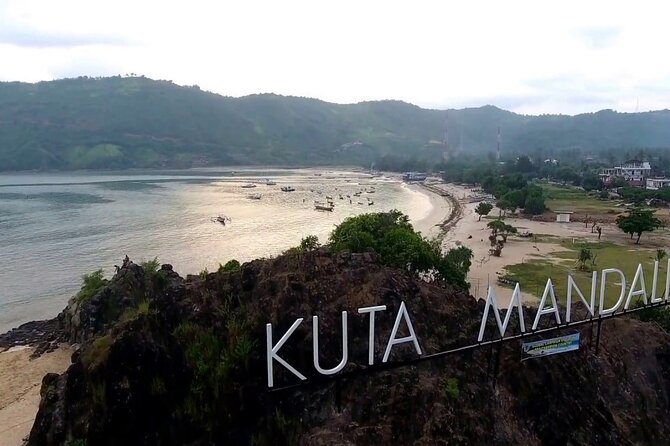
After Sade, the route continues toward the Kuta area for lunch at a local restaurant. Lunch is not included in the $60.26 price, so bring money for the meal.
No fixed restaurant, menu, or meal price is provided. That makes it hard to judge the food in advance, but it also means you should not assume the tour cost covers lunch. Ask your guide about the timing and available choices during the day.
The lunch break is practical. By this stage, you have visited three cultural sites, and a meal gives you a pause before the final beach stop. Since the total tour lasts about eight hours, the exact time spent eating can affect how long you have at Tanjung Aan.
Tanjung Aan Beach and the soft-sand finish
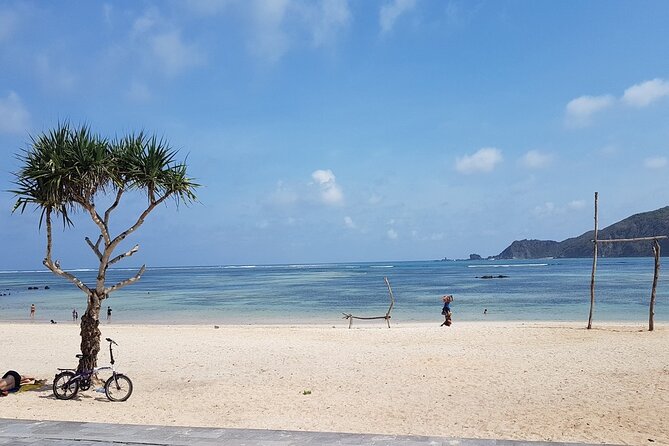
Tanjung Aan is the tour’s change of pace. After pottery, weaving, and village architecture, you get time beside turquoise water and golden sand.
The beach is described as a good place to swim, with medium-height waves and a broad sandy shore. You can relax, sunbathe, or buy a young coconut. Snorkeling is also possible, with equipment available for hire at your own cost.
The beach stop is listed as about one hour. That is enough for a swim and a quick rest, but it is not a full beach day. If you want extended snorkeling, a long lunch by the water, or hours in the sun, this schedule may feel rushed.
The beach has a pepper-like sand texture, which gives it a different character from the fine, pale sand many people expect from an island beach. Bring suitable swimwear and sun protection, though the tour does not specify what facilities are available.
I like ending here because the day does not leave you with only cultural sightseeing. You get a chance to sit down, cool off, and enjoy Lombok’s coast before returning to your hotel.
What the $60.26 price really covers
At $60.26 per person, the cost is easiest to justify if you value convenience. You receive an English-speaking guide, hotel pickup and drop-off, and an air-conditioned vehicle for an eight-hour outing.
The price does not include lunch, snorkeling equipment, or any purchases you make in the pottery and weaving villages. Those extras are normal for this kind of day, but you should budget for them rather than treating the advertised price as the complete cost.
The value is strongest for first-time visitors staying in Mataram who want one organized day covering several southern Lombok sights. Booking separate rides to Banyumulek, Sukarara, Sade, and Tanjung Aan could take more effort, particularly if you do not know the road network.
The value is weaker if you already have transport, dislike shopping stops, or want to spend most of your day at the beach. With only about an hour per main stop, the tour favors variety over lingering.
Group discounts are offered, though no discount amount is given. At least two people must book, and the maximum group size is 10. Cruise passengers should expect additional charges.
Timing, pickup, and the small details that matter
The listed start time is 8:30 a.m., with morning pickup from your hotel lobby. Hotel pickup and drop-off are included, but the provided meeting-point details also name Sade Village on Jalan Rembitan as the start and end point.
Because those details do not perfectly match the hotel pickup wording, confirm the exact pickup arrangement when you book. This is particularly important if you are staying outside the regular Mataram pickup area or arriving by cruise ship.
The tour uses an air-conditioned car, a welcome feature in Lombok’s warm climate. The vehicle also gives you a comfortable base between stops, though the route covers several places and includes a full day of sightseeing.
Confirmation is issued at booking. The tour requires at least two people, and poor weather can cause a cancellation. If bad weather or an insufficient number of bookings cancels the experience, you are offered another date or experience, or a full refund.
The standard cancellation rule is strict: the experience is non-refundable and cannot be changed for any reason. Check your plans carefully before paying.
Who should book this Sasak culture tour
I would choose this tour if you are visiting Lombok for the first time and want an efficient overview of southern culture and scenery. It suits couples, families with an accompanying adult, and small groups who prefer a guide and private transport arrangement over figuring out each stop independently.
It also works well if you like buying locally made objects. Banyumulek offers pottery, while Sukarara and Sade offer woven textiles. You can see the work first, then decide if you want to purchase something.
The tour is less suitable if you want a serious study of Sasak traditions. Each cultural stop lasts about one hour, and the day also includes lunch and a beach visit. You will see a useful selection of places, but you will not have much time for extended conversations or detailed craft instruction.
It may also disappoint you if you want a long swim. Tanjung Aan is a pleasant final stop, but the schedule allows only about an hour there, and snorkeling gear costs extra.
Should you book it?
Book this tour if you want one well-organized day of Sasak culture, local crafts, and a beach, especially if you are staying in Mataram and do not have your own transport.
The strongest reasons are the variety, the air-conditioned vehicle, hotel transfer, and the chance to see pottery and songket cloth being made. The small maximum group size is another plus.
Skip it if you want a slow beach day, a workshop where you make pottery or weave cloth, or a tour with lunch and activities fully covered. Remember the extra costs, the strict cancellation policy, and the need to confirm your pickup point.
For a first look at Lombok, this is a practical choice. It gives you enough cultural context to make later visits more meaningful, while still leaving you with time by the sea.
FAQ
How long does the Lombok Sasak Culture Tour last?
The tour lasts approximately eight hours, beginning at 8:30 a.m.
Is hotel pickup and drop-off included?
Yes. Hotel pickup and drop-off are included, along with transport in an air-conditioned vehicle.
What language does the guide speak?
The tour includes an English-speaking guide. Guides Nathan and Yogi have also led tours in Bahasa.
Which villages are included?
The route includes Banyumulek pottery village, Sukarara traditional weaving village, and Sade Village, known for traditional Sasak homes and village life.
Is lunch included in the price?
No. Lunch at a local restaurant in the Kuta area is not included.
Can I swim or snorkel at Tanjung Aan Beach?
Yes. Tanjung Aan is suitable for swimming. Snorkeling is available, but equipment hire costs extra.
How many people can join the tour?
The tour accepts a maximum of 10 people, and at least two people are required per booking.
What happens if bad weather cancels the tour?
If poor weather causes cancellation, you are offered a different date or experience, or a full refund.
Just added around Lombok
- Full-Day Private Trip to South Lombok★ 5.0 · 15 reviews
- MODERATE HIKING: 2D/1N Crater Rim Senaru | Rinjani Samalas Tour★ 5.0 · 8 reviews
- Trekking Rinjani Mountain Summit 2 Days 1 Night – Em Adventure★ 5.0 · 42 reviews
- Waterfall Tour And Sasak Traditional Tour★ 5.0 · 3 reviews
- Trekking Rinjani 1 Day Trek Senaru Crater Rim★ 5.0 · 3 reviews
- Fantastic trip to Sindang Gile & Tiu Kelep Waterfall★ 4.5 · 3 reviews
- Lombok Tour For Cruise Passangers★ 4.5 · 16 reviews
- Trekking Rinjani Volcano To Crater Rim Senaru 2D-1N Private – Syam Trekker★ 5.0 · 45 reviews
Lombok Tours, compared.
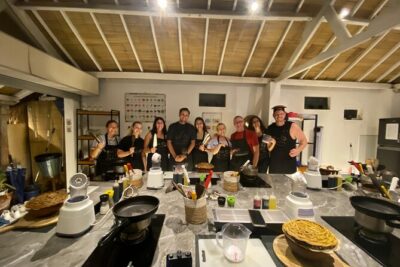
Learn to cook Indonesian food at Gili Cooking Classes Trawangan
Read our review →
Tetebatu Walking Tour – Rice Terraces, Waterfall & Monkey Forest
Read our review →
Gili Island Snorkeling Trip – Gili Trawangan, Gili Meno, & Gili Air, From Lombok
Read our review →
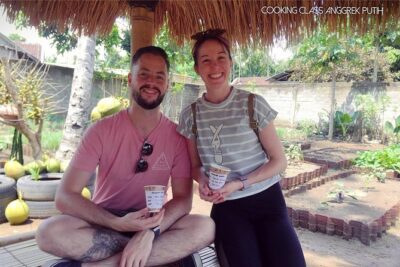

Private Snorkeling Gili Island (Coral, Statue and Turtle)
Read our review →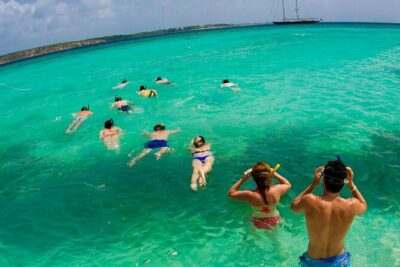
Day Trip 5 Secret Gilis : Layar, Rengit, Nanggu, Tangkong, Kedis
Read our review →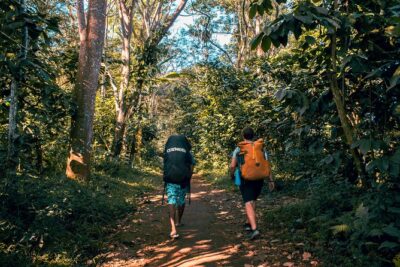
Browse the lists this tour appears in