
Reviewed · YOGYAKARTA TOURS
Yogyakarta Cooking Class and Market Tour
The most memorable part of this Yogyakarta experience is the path from market stall to family kitchen. You choose vegetables, herbs, meat, and spices, see where rice begins, then cook a Javanese meal in a local village home. I like the market visit because it gives the food a real setting, not just a recipe sheet. I also like the chance to prepare tumpeng yellow rice, a dish with ceremonial roots.
The price covers hotel pickup and drop-off in Yogyakarta, ingredients, the English-speaking chef, recipes, and lunch or dinner. That is strong value at $35, especially when the class is private or nearly private. The main consideration is pace: the advertised class lasts about three hours, yet the wider program also includes the market, rice plantation, and village visit, so ask for the exact schedule and allow flexibility.
Key points at a glance
- Choose ingredients at a real local market: Select fresh vegetables, herbs, meat, and spices instead of arriving to find every item already measured.
- Learn about rice in the field: A visit to a rice plantation connects the staple on your plate with the work needed to grow and prepare it.
- Cook six dishes: The class includes one starter, four main courses, and one authentic dessert, followed by the meal you prepared.
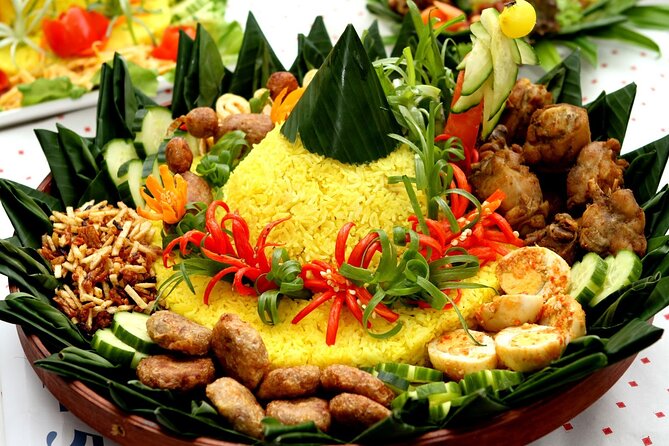
- Try tumpeng yellow rice: This ceremonial dish gives the class a cultural focus beyond ordinary Indonesian cooking.
- Meet a local family in Bantul: The cooking takes place in a village setting, with hosts such as Desy offering instruction in a home kitchen.
- Plan communication carefully: WhatsApp is useful for pickup coordination, and the maximum group size is 15, though some sessions may be private.
From Yogyakarta hotel to the morning market
Your day begins with pickup from your hotel in Yogyakarta. The service includes both pickup and return, which removes the usual hassle of finding a village kitchen or arranging transport between several stops.
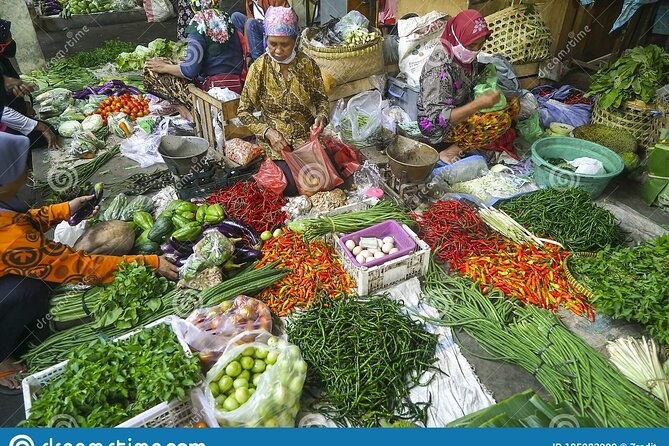
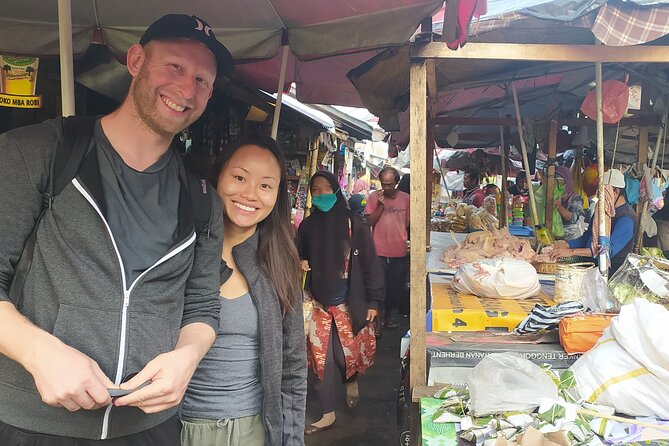
The first stop is a traditional fresh-food market. This is not simply a quick photo stop. You select the ingredients that will later become your meal, looking at vegetables, herbs, meat, and Indonesian spices while your chef explains what each item contributes.
I like this part because it gives you a practical introduction to Java’s cooking cupboard. Indonesian food can look simple on the plate, but its flavor often comes from the careful use of aromatics and spices. Seeing the ingredients in their everyday market setting helps you recognize them later at the cooking table.
The market also gives you a small window into local life in Yogyakarta. You can watch the buying and selling around you, see produce arranged for daily use, and begin to understand that food here is tied to family routines and community life.
The exact market timing matters. The description calls for an early morning visit, while the program is also offered as a morning or afternoon experience. Confirm your start time when you book, particularly if you want the full market visit rather than only the cooking session.
More cooking classes in Yogyakarta:
- Ubud Cooking Class Bali with Balinese Chef
★ 5.0 · 1,609 reviews - PRIVATE Authentic Balinese Cooking Class in Ubud at Putu’s Home
★ 5.0 · 644 reviews - Balinese Ubud cooking school (9 Dish Cooking and Market Tour)
★ 5.0 · 540 reviews
Seeing how rice reaches the table
After shopping, the route includes a rice plantation. You learn how the staple crop is cultivated and prepared, with views of the surrounding countryside along the way.
This stop adds useful context to the meal. Rice is not just another ingredient in Java. It is central to daily food and to many customs, so seeing its growing cycle makes the cooking class feel connected to the land around Yogyakarta.
The rice visit is also a change of rhythm. The market is close, busy, and sensory. The plantation offers open views and a chance to see the rural side of the region before you reach the village of Bantul.
The information provided does not give a separate duration for the plantation stop or explain how much walking is involved. You should treat it as a short educational visit rather than a full agricultural tour. If your priority is cooking time, ask how the market and plantation visits fit within the three-hour estimate.
Welcome to a Bantul village kitchen
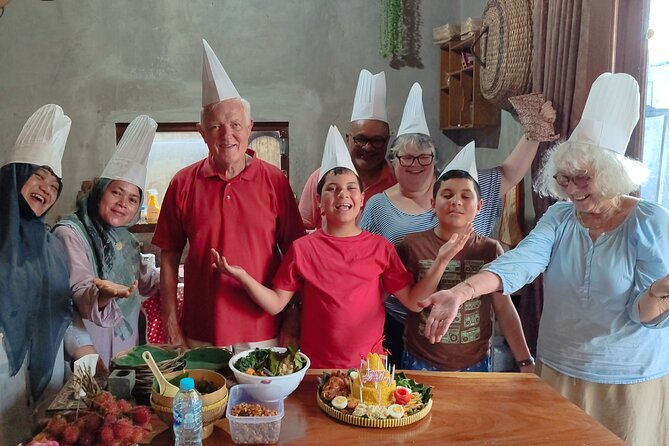
The class continues in the traditional village of Bantul, where local hosts welcome you into a home setting. Several sessions are held in a family home, and that changes the feel of the activity. You are not only following a chef in a commercial studio. You are sharing a kitchen and a meal in a lived-in community setting.
That home setting has been a major strength of the experience. The atmosphere can feel relaxed and personal, especially when a couple or family has the class to itself. One family also offered tea and a comfortable place to rest when a participant felt unwell, showing the sort of care that can come with a small home-based activity.
The hosts may include Desy, who is described as a patient and clear teacher, or Arma, who combines cooking instruction with stories about Yogyakarta and Indonesia. The available information uses both Desy and Desi in different places, so confirm your chef’s name if that matters to you.
You may also have informal contact with the family and the surroundings beyond the cooking bench. One account describes seeing animals near the house, while another includes fresh coconut and help arranging a visit to a civet coffee site after the class. These extras are not listed as guaranteed parts of the tour, so do not book expecting them. They show, however, that the hosts may respond warmly to your interests.
Preparing a Javanese meal from scratch
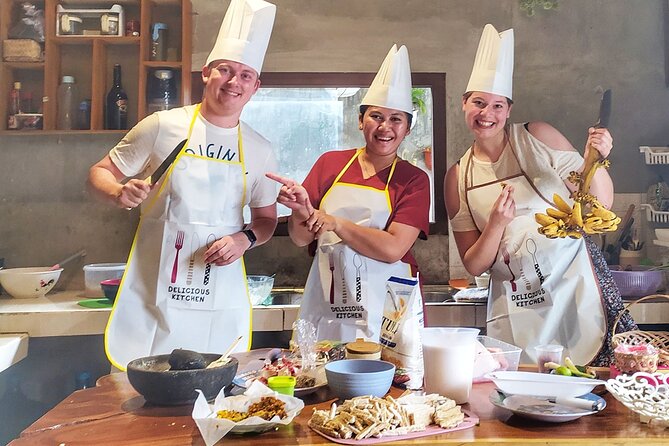
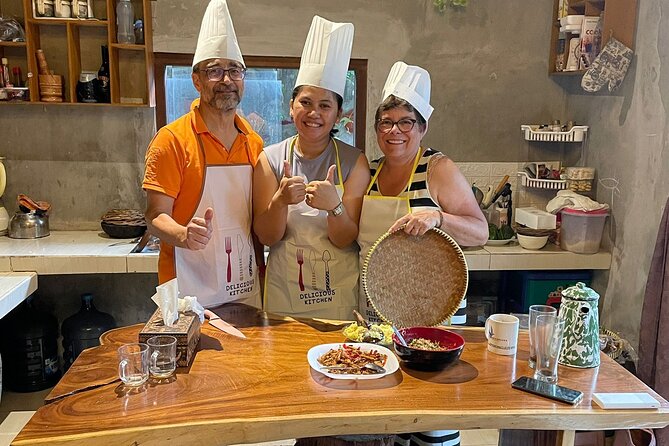
Before cooking begins, the chef gives a short briefing and provides a recipe handout. You then prepare one starter, four main courses, and one dessert.
That is a generous amount of food for a class of this length. Come hungry, since lunch or dinner consists of your own work and may include several different cooking methods and ingredients. You are not just watching a demonstration. The aim is to take part, with the chef offering guidance and assistance as you work.
The menu centers on Java, and the key cultural dish is tumpeng yellow rice. Tumpeng is associated with offerings to the gods at ceremonies in earlier times. Its yellow color and ceremonial role give the meal a clear cultural story, making this more than a general lesson in Indonesian food.
The ingredients may include foods that are unfamiliar to you, including tempeh. The class can be a good place to try it in a prepared dish rather than judging it from a packaged sample. You also get to see how herbs and spices work together instead of meeting them as isolated ingredients.
The chef’s role can shape the class. Arma is noted for sharing stories about Indonesian and Yogyakarta history while cooking. Desy is described as giving clear instruction and making the dishes easy to follow. At least one participant found the explanation too limited and felt there was not enough room for personal creativity. That is a fair point to keep in mind: this is a guided lesson, not an open-ended workshop.
If you enjoy asking questions, speak up early. Ask why an ingredient is used, how a dish changes across Java, and which steps matter most when you recreate the meal at home. The recipe booklet gives you a useful record, but the conversation with the chef may provide the details that make the recipes work.
More market mornings in Yogyakarta:
- Active Volcano, Rice Field, Hot Spring, Fruit market, Tea Plantation with Lunch
★ 5.0 · 513 reviews - Balinese Cooking class with traditional morning market visit
★ 5.0 · 161 reviews - PRIVATE Ubud Market Tour & Balinese Cooking Class with Putu
★ 5.0 · 125 reviews - Ubud Cooking Class with Optional Market Visit Pickup Included
★ 5.0 · 70 reviews
Eating what you have prepared

At the end, you sit down for lunch or dinner and taste the dishes together. This shared meal is one of the strongest reasons to choose a home-based class. You see the ingredients at the market, handle them in the kitchen, and then experience the finished food at the same table.
The menu is large enough to let you compare flavors and textures across several dishes. It also gives you a better sense of how a Javanese meal works as a group, rather than presenting one isolated recipe.
Drinks add a small local touch. You may be served homemade hibiscus tea or wedang uwuh, a traditional hot drink described here as an eucalyptus drink. The experience also includes lunch, but personal expenses are not covered, so keep money available for anything outside the listed program.
The meal is especially appealing if you are traveling with family or a partner. Children can see a finished result from their own work, while adults get a social meal and a practical set of recipes. The class is also suitable for solo visitors, though the social feel will depend on the group size on your date.
How personal is the class?
The maximum group size is 15 people. That is small enough to be manageable compared with a large demonstration, but it does not guarantee a private lesson.
Some sessions are private or nearly private. A couple described having the class alone, which made the home visit feel more personal and gave them direct time with the host. Other dates may include a larger group, so ask about the expected number of participants before booking if personal instruction is important to you.
A group discount is available, though the details are not stated. Ask the provider for the current discount rather than assuming it applies to every booking. Groups may also find the $35 price useful because transportation, food, and instruction are already bundled.
The English-speaking chef is included. The level of English and the amount of explanation may vary by instructor, so clear questions are worthwhile if you want detailed cultural background or cooking theory.
What $35 really buys you

At $35 per person, the cost is reasonable for a roughly three-hour food experience that includes more than the kitchen session. Your fee covers:
- Hotel pickup and drop-off in Yogyakarta
- The traditional market visit
- The English-speaking chef or teacher
- All cooking ingredients
- A recipe handout
- Lunch or dinner
- The cooking class itself
You are also getting access to a local village home and a meal centered on Javanese cooking. A separate market tour, private transfer, meal, and cooking lesson could easily cost more when arranged individually.
The value is strongest for people who want contact with everyday food culture. If you only want to learn one or two recipes in a polished cooking studio, the six-dish plan may feel busy. If you want market shopping, local transport, a rural stop, and a substantial meal in one outing, the package makes better sense.
Keep in mind that the three-hour estimate may be tight for the complete route. The program description includes the market, plantation, village welcome, class, and meal, while the class itself is also described as three hours. Ask whether the total outing is longer than the cooking portion. That small clarification can help you plan the rest of your day.
Practical tips before you book
Use WhatsApp if possible. It is suggested for communication, and it can be useful for confirming pickup details and the meeting point.
Tell the provider about dietary needs before the day of the class. The information confirms that meat and other ingredients are available, but it does not state whether vegetarian, vegan, allergy-friendly, or other special menus can be provided.
Wear comfortable clothes suitable for a home kitchen and a market visit. The details do not specify a dress code or amount of walking, so ask if you have mobility concerns or need a slower pace.
Bring an appetite. The menu includes one starter, four main courses, and a dessert, followed by lunch or dinner. You may also want room in your phone for photos of ingredients, the market, and your finished dishes.
The tour is open to most people, and confirmation is received at booking. Free cancellation is available if you cancel at least 24 hours before the local start time. Changes or cancellations inside that window are not refunded.
Who will get the most from this experience?
I would choose this class if you want food to be a doorway into Yogyakarta’s daily life. The market gives you ingredients in context, the rice plantation explains the importance of the staple crop, and the village home adds a personal setting.
It suits couples and families particularly well. The hands-on format gives children and adults something to do, and the final meal rewards everyone’s effort. Solo visitors can also enjoy it, especially if they like meeting a local host and asking questions.
It is less suitable if you dislike guided cooking or want complete control over the menu. The lesson follows a set plan, and at least one participant wanted more explanation and freedom to experiment. You should also clarify the schedule if you have a tight afternoon appointment.
Should you book the Yogyakarta Cooking Class?
Book it if you want a practical, food-focused introduction to Java for $35, with transport and a meal included. The strongest elements are the market shopping, the ceremonial tumpeng rice, and the chance to cook in a local home with teachers such as Desy or Arma.
Before paying, confirm the start time, the expected group size, the chef, dietary options, and how the market and rice plantation fit into the three-hour estimate. If you are comfortable with a guided menu and a warm family setting, this is a good-value choice for seeing Yogyakarta through its food.
FAQ
How long does the Yogyakarta cooking class last?
The cooking class is described as lasting about three hours. The complete program also includes hotel pickup, a market visit, a rice plantation stop, a village visit, and the meal, so confirm the total schedule before booking.
What dishes will I prepare?
You will prepare one starter, four main courses, and one authentic dessert. Tumpeng yellow rice is specifically included and has a ceremonial role in Javanese culture.
Is hotel pickup included?
Yes. Pickup and drop-off at hotels in Yogyakarta are included in the price.
Is the class taught in English?
Yes. An English-speaking teacher or chef is included.
How many people can join the class?
The maximum group size is 15 people. Some sessions may be private or nearly private, but you should confirm the group size for your chosen date.
Can I cancel for a full refund?
Yes, if you cancel at least 24 hours before the experience’s local start time. Cancellations or changes made less than 24 hours in advance are not refunded.
More Workshops in Yogyakarta
- Batik Master Class with Full Process
★ 5.0 · 103 reviews - Borobudur: Pottery Making Workshop
★ 5.0 · 5 reviews - Ubud Silver Class Jewelry making in bali
★ 5.0 · 978 reviews - Balinese Farm Cooking Class by Pemulan Bali
★ 5.0 · 410 reviews
More Shopping in Yogyakarta
- Balinese Cooking Class with Traditional Market Tour
★ 5.0 · 66 reviews - Ubud Experience ; Swing, Waterfalls, Art Market, Rice Terrace
★ 5.0 · 56 reviews - Jakarta City Tour: Shopping & Culinary Experience
★ 4.5 · 15 reviews - Bali Arts shopping with temples-waterfall visit.
★ 5.0 · 6 reviews
Just added around Yogyakarta
- Borobudur Private Tour From Semarang Port★ 4.5 · 12 reviews
- Borobudur: Village Tour with Pottery and Tofu Making★ 5.0 · 34 reviews
- Chicken Church Local Attraction Near Of Borobudur Temple★ 3.5 · 18 reviews
- Chicken Church at Karangrejo Village Admission Ticket★ 4.5 · 3 reviews
- Private Borobudur Village Trip By Volkswagen Safari★ 5.0 · 3 reviews
- Yogyakarta: Borobudur Temple Climb Up and Prambanan Temple Tour★ 5.0 · 53 reviews
- Borobudur Temple Combined Ticket Admissions★ 5.0 · 7 reviews
- Borobudur: Pottery Making Workshop★ 5.0 · 5 reviews
Yogyakarta Tours, compared.
Borobudur Sunrise from setumbu Hill , Merapi Volcano & Prambanan Full Day Tour
Read our review →
Borobudur Temple Climb To The Top & Prambanan Temple – 1 day tour
Read our review →

Borobudur(climb up), Merapi Volcano and Prambanan Temple Tour
Read our review →

Borobudur Climb-up & Prambanan Day Trip All Inclusive
Read our review →
Borobudur (climb), Prambanan & Other Visit By Request
Read our review →Browse the lists this tour appears in