
Reviewed · SEMINYAK TOURS
Ubud Cultural and Historical Guided Tour with Transfer
Ubud’s best cultural sights are scattered across central Bali, and this private day tour links them in one long, well-filled circuit. You move from a living Batuan family compound to sacred water temples, an 11th-century cave, and the stone memorials of Gunung Kawi. It is a good way to see much more than Ubud’s town center.
I like the private vehicle, since your group can travel at its own pace, and I like the unusual mix of royal monuments and active village temples. The English-speaking guide adds useful context, while guides named Kadek and Nanda have been praised for patience and helpful service.
The main drawback is the sheer length. Ten hours with six stops can feel rushed or tiring, especially since the schedule gives two hours to several sites and temple entry fees, meals, and some personal costs are extra.
Key points to know before booking
- Six major cultural stops: Visit Batuan, Puseh Batuan Temple, Goa Gajah, Gunung Kawi, Tirta Empul, and Gunung Kawi Sebatu.
- A private tour: Only your own group participates, with an air-conditioned vehicle and an English-speaking driver-guide.
- A strong historical thread: The day links living Balinese traditions with 11th-century sites connected to King Udayana and Anak Wungsu.
- Temple fees are extra: The listed admission costs total IDR 210,000 per person, before any meal or other personal spending.
- A patient guide can matter: Kadek waited about an hour for one guest delayed by an airport transfer, while Nanda received praise for making the day enjoyable.
- A full 10-hour outing: Pickup begins at 8:30 am, so plan for a demanding day rather than a casual half-day visit.
Why this Ubud route is worth your day
At $45.91 per person, this tour is priced well if you want transport, a driver-guide, and several admission-based sights in one outing. The value improves for a small private group, since the price is not paying for a large coach experience and you can share the vehicle with only your own party.
You still need to budget for the listed entrance charges. Tirta Empul costs IDR 50,000, Gunung Kawi Sebatu IDR 30,000, Puseh Batuan Temple IDR 30,000, Elephant Cave IDR 50,000, and Mount Kawi at the Pakrisan River IDR 50,000 per person. That is IDR 210,000 in total, not including food.
I see the biggest value in the route itself. Ubud has many worthwhile places, but they are not packed into one easy walking district. A private transfer from Seminyak saves you the trouble of arranging several rides and gives you a guide who can explain why each site matters.
The tradeoff is that this is not a slow, reflective temple day. Six stops, traffic, and the distance between Seminyak and the Ubud area can make the schedule feel packed. If you want long meals, extended photography time, or a quiet afternoon by a single temple pond, choose a shorter experience instead.
More private driver days in Seminyak:
- Experts Bali Driver : Best Bali Private Driver for Tour in Bali
★ 5.0 · 1,339 reviews - Private Arrival Transfer: Bali Airport to Hotel
★ 4.5 · 739 reviews - Bali Blue Lagoon Snorkeling with Private Transfer & Lunch
★ 5.0 · 539 reviews
Batuan’s family compound gives the day a human start
The first stop is a traditional Balinese house compound in Batuan Village, owned by the Gung Aji family. This is more useful than beginning with a string of formal monuments, because you first see how a Balinese compound is arranged as a living family space.
You have about one hour here, and admission is listed as free. The house is noted for its distinctive design and for remaining in use. That makes this stop a helpful introduction to the cultural ideas behind Bali’s temples and ceremonial spaces.
I would pay close attention to the guide here. A good explanation can help you understand the difference between a home compound and a temple, rather than treating every carved gate and courtyard as decoration. Since the stop is short, ask questions early if there is something you want explained.
The visit may feel less dramatic than the later sites. That is part of its value. It gives the day a local, domestic setting before you move into places built for worship and royal memory.
Puseh Batuan Temple shows village religion in practice
Puseh Batuan Temple is a village temple and one of the three main temples known as Khayangan Tiga. It is dedicated to Wisnu, associated with protection. The temple is described as richly decorated, so this is likely to be one of the day’s strongest stops for carved stonework and traditional details.
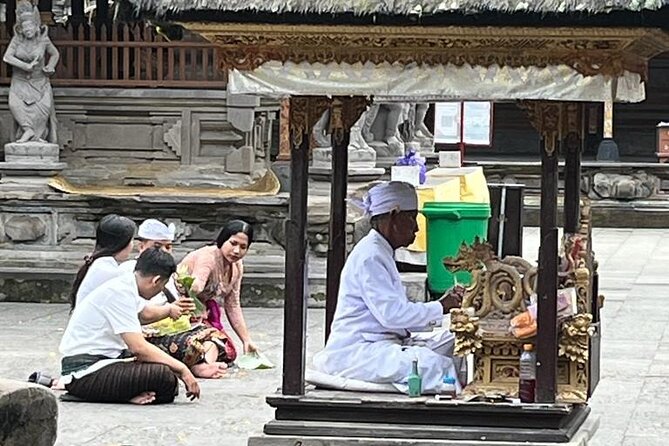
The planned visit lasts about 90 minutes. Admission is not included, with a listed fee of IDR 30,000 per person. Because this is a functioning local temple rather than a museum display, your guide’s instructions matter. Listen carefully about where to walk and how to behave in the courtyards.
I like this stop because it puts religious life in a village setting. You are not only looking at old architecture. You are seeing a place that still serves a community, which gives the carvings and gates a purpose beyond sightseeing.
One practical point: temple visits can require respectful clothing, but the supplied tour details do not specify a dress code or whether sarongs are provided. Ask the provider before departure if you need to confirm clothing requirements.
Goa Gajah combines an 11th-century cave with bathing figures
Elephant Cave, or Goa Gajah, dates to the 11th century and was built under King Udayana. Its name is linked not simply to elephants, but to the nearby Lua Gajah River. In front of the cave is a bathing area with six figures.
You have two hours here, the longest allocation so far. Admission is listed at IDR 50,000 per person. That extra time gives you room to take in the entrance, cave, bathing area, and surrounding temple features without treating the stop as a quick photograph.
The name can set up the wrong expectation. This is not presented as a wildlife attraction. It is an archaeological and religious site, with the cave and carved figures providing the focus. I would listen for the guide’s explanation of the symbols and the site’s connection to early Balinese kings.
Two hours may be generous for some people, especially if you prefer a fast look at monuments. For others, it is welcome after the short first stops. Your private format helps here, since you can speak with the guide about how much time you want to spend within the planned schedule.
More history-led days in Seminyak:
- Bali Unesco World Heritage Sites Tour (Private & All-Inclusive)
★ 5.0 · 91 reviews - Taste & Explore Bali: Denpasar Street Food & Historic Sites
★ 4.5 · 27 reviews - Exquisite UNESCO World Heritage Sites in Bali
★ 5.0 · 9 reviews - Full-day Ubud Private tour : Cultural Heritage
★ 5.0 · 5 reviews
Gunung Kawi brings royal memorials into the open air
The Gunung Kawi complex is tied to the 11th-century rule of Anak Wungsu, son of King Udayana. Its ten memorials are cut into rock, giving the site a powerful sense of scale and age without relying on a conventional freestanding building.
The scheduled visit lasts 90 minutes, and the listed admission is IDR 50,000 per person. The name can cause confusion because both Gunung Kawi and Gunung Kawi Sebatu appear on this day. They are separate stops, so check that you understand which site you are visiting at each point.
I value this portion of the route for its connection to Bali’s royal past. The memorials are not simply old stones. They were made to honor important figures, and the guide can help connect the rock-cut forms with the story of the ruling family.
The listing does not provide details about walking distances, stairs, or the exact terrain. If mobility is a concern, ask the provider before booking. The general note says most people can participate, but that is not the same as a promise of step-free access.
Tirta Empul explains Bali’s spring-water rituals
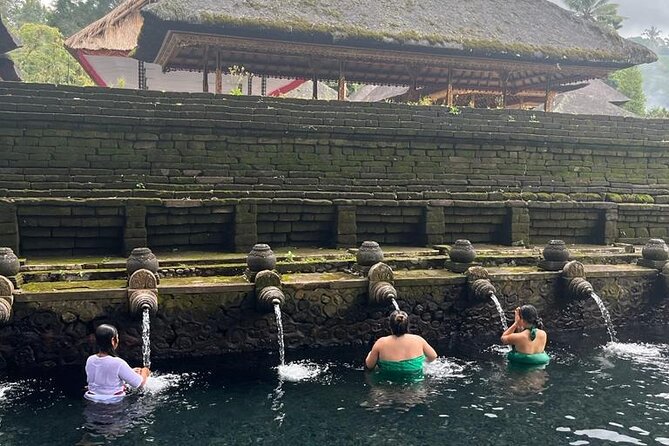
Tirta Empul, near Gunung Kawi, was built around natural springs and bathing pools. Its inner courtyard includes clear water and ritual bathing areas, making it one of the most recognizable spiritual stops on the route.
The planned visit is two hours, and admission is IDR 50,000 per person. This is enough time to see the temple and understand the role of the pools, but it does not mean you must take part in the cleansing ritual. The supplied details describe the ritual setting, not participation requirements.
I would treat this as a place for careful observation. Water temples are active religious sites, so your guide is important for explaining what is appropriate and for helping you avoid stepping into areas reserved for worship. Ask before entering any bathing area or taking photographs.
Tirta Empul may be the busiest-feeling stop on the day simply because its ritual pools are a major draw, but the tour information does not promise crowd levels. Your start time is 8:30 am, which gives you a useful early position compared with a later departure, though traffic and touring conditions can vary.
Gunung Kawi Sebatu offers a quieter final temple
The final stop is Gunung Kawi Sebatu Temple, associated especially with Lord Vishnu. Its exact construction date is not known, but historical records connect its creation with worship of the gods under royal orders.
Admission is listed at IDR 30,000 per person, and the planned visit lasts two hours. Ending with a temple whose origins are less precisely dated gives the guide room to explain how history, local tradition, and religious practice can overlap.
I like the contrast with Gunung Kawi. The names are similar, but the sites serve different purposes and should not be treated as one attraction. This final stop gives you another chance to see water, worship, and temple design without repeating exactly the same kind of monument.
After five earlier visits, two more hours may test your energy. If you enjoy temples, it is a generous finish. If you tire quickly, you may want to discuss the pace with your guide at the start. A private tour gives you more control than a fixed large-group outing, but the overall day is still long.
What the private vehicle changes
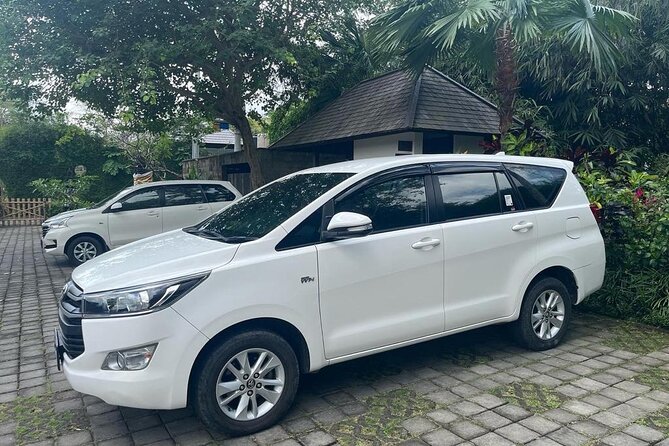
The tour includes an air-conditioned vehicle, parking fees, bottled water, and an English-speaking driver-guide. Pickup is offered, with the meeting time listed as 8:30 am. The location is Seminyak, so confirm the exact pickup details when booking.
The private format is one of the strongest practical features. Only your group participates, so you do not have to wait for a coach full of strangers at every temple. You can also ask for explanations suited to your interests, though the exact amount of flexibility depends on traffic, opening conditions, and the day’s schedule.
The available feedback gives two useful guide names. Kadek was patient with a guest who miscalculated an airport transfer and waited about an hour. Nanda was praised for making the day enjoyable and for offering a tour that felt worth more than expected. Those details point to the kind of service that can make a long Bali day easier.
Still, do not assume a particular guide will be assigned. The experience provider is Bali Tourist Information, and the tour promises an English-speaking driver-guide, not a named guide on every departure.
What is and is not included in the price
The $45.91 rate covers the vehicle, parking, bottled water, and driver-guide service. It does not cover a meal, and no lunch is specified in the schedule. Bring enough money for food and the five listed entrance fees.
The listed admissions are:
- Tirta Empul: IDR 50,000
- Gunung Kawi Sebatu: IDR 30,000
- Puseh Batuan Temple: IDR 30,000
- Elephant Cave: IDR 50,000
- Mount Kawi, Pakrisan River: IDR 50,000
That produces a clear extra-cost estimate of IDR 210,000 per person. The tour may also offer group discounts, but no discount amount is provided, so check the final booking price rather than assuming a fixed reduction.
Free cancellation is available if you cancel at least 24 hours before the local start time. Cancellations or changes made inside that window are not accepted for a refund. Confirmation is received at booking, and mobile tickets are supported.
Who will get the most from this 10-hour day
I would choose this tour if you are staying in Seminyak and want one organized day centered on temples, early Balinese royal history, and traditional domestic architecture. It suits first-time visitors who want a broad introduction without planning five separate rides.
It also works well for a private family group or friends who prefer their own vehicle. The guide can explain the difference between a village temple, a royal memorial, a spring-water temple, and a family compound as you go.
I would hesitate if your main goal is nightlife, shopping, long meals, or a relaxed Ubud café day. The route is serious about cultural sightseeing, and the six-stop schedule asks you to keep moving. People with mobility concerns should also ask about site conditions before booking, since the general participation note does not describe stairs or walking surfaces.
Should you book it?
Book this tour if you want a packed, practical introduction to Bali’s central cultural sights and value having a private vehicle from Seminyak. The combination of Batuan’s family compound, Goa Gajah, royal memorials, and two different water-related temples gives you more variety than a simple Ubud highlights drive.
Skip it if you prefer slow travel or want to spend most of the day in one place. Before paying, confirm the pickup point, clothing guidance, meal plans, the final group-discount price, and which guide is assigned. If Kadek or Nanda is available, their specific praise for patience and helpful service makes them names worth requesting, though availability is not guaranteed.
FAQ
Where does the Ubud Cultural and Historical Guided Tour begin?
The tour is based in Seminyak, Indonesia, and pickup is offered. The listed start time is 8:30 am.
How long does the experience last?
The tour lasts approximately 10 hours.
Is this a private tour?
Yes. Only your group participates in the activity.
What type of transport is included?
An air-conditioned vehicle is included, along with parking fees and bottled water.
Is an English-speaking guide included?
Yes. The tour includes an English-speaking driver-guide.
Are entrance fees included?
No. The listed entrance fees are paid separately for Tirta Empul, Gunung Kawi Sebatu, Puseh Batuan Temple, Elephant Cave, and Mount Kawi at the Pakrisan River.
How much are the listed entrance fees?
The listed fees are IDR 50,000 for Tirta Empul, IDR 30,000 for Gunung Kawi Sebatu, IDR 30,000 for Puseh Batuan Temple, IDR 50,000 for Elephant Cave, and IDR 50,000 for Mount Kawi.
Is a meal included?
No. Meals are not included in the tour price.
Can I cancel for a full refund?
Yes, if you cancel at least 24 hours before the experience start time. Cancellations or changes made less than 24 hours before the start are not accepted for a refund.
Just added around Seminyak
- Ubud Private Tour★ 5.0 · 36 reviews
- Kuta Seminyak Scooter Lessons★ 5.0 · 40 reviews
- Bali Airport Transfers | Bali Airport Welcome pick up | Bali Airport Taxi★ 4.0 · 27 reviews
- Wonderful Bali In 3 Days Private Tour★ 5.0 · 56 reviews
- Zero Gravity Flotation Therapy in Canggu Bali by Solace Float★ 5.0 · 36 reviews
- Best of North Bali: Banyumala Waterfall, Handara Gate and Temple★ 5.0 · 4 reviews
- Ubud Tubing Adventure Holy Spring Temple Private Guided Tour★ 5.0 · 49 reviews
- Surf lesson | Energy surfschool krui★ 5.0 · 3 reviews
Seminyak Tours, compared.
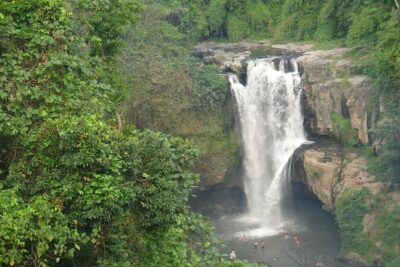
Bali Full-Day Traditional Village Sightseeing Trip All Inclusive
Read our review →

Ubud Hot Springs and Waterfall Private Guided Tour
Read our review →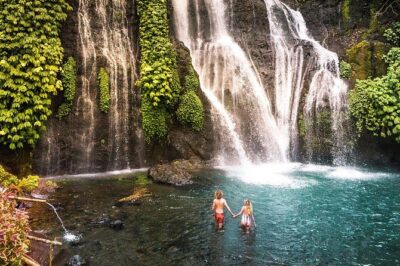
Bali Secret Waterfall Tour – Private and All-Inclusive
Read our review →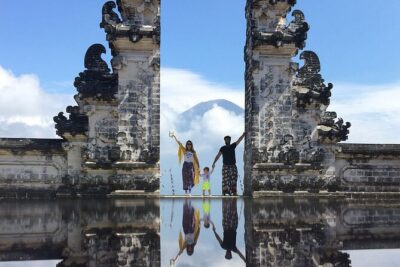
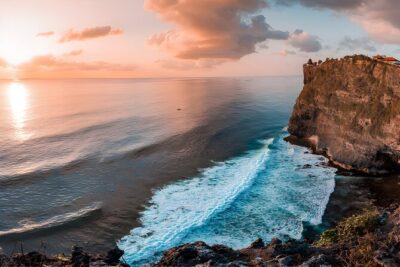
Uluwatu Sunset Tour: Kecak and Fire Dance with Jimbaran Dinner
Read our review →
Bali Blue Lagoon Snorkeling – Lunch and Transport All Inclusive
Read our review →
Browse the lists this tour appears in