
Reviewed · LOMBOK TOURS
Rinjani trekking 2D 1N RIM
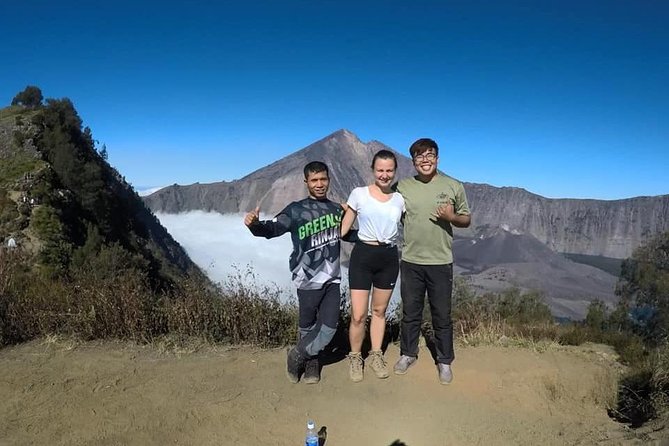
Mount Rinjani saves its best view for the end of the climb. From Senaru Crater Rim at 2,641 meters, you look across the blue crater lake toward Rinjani’s 3,726-meter summit, with the Gilis and Bali’s Mount Agung catching the sunset. It is a big payoff after a long uphill day.
I like the private format, since your guide can match the pace to your group instead of pushing you along with strangers. I also like the practical package: meals, drinks, tents, sleeping bags, guides, porters, and transfers are included. The catch is simple: this is called the gentler Rinjani route, but two days of climbing and descending is still hard work.
Key points before you book
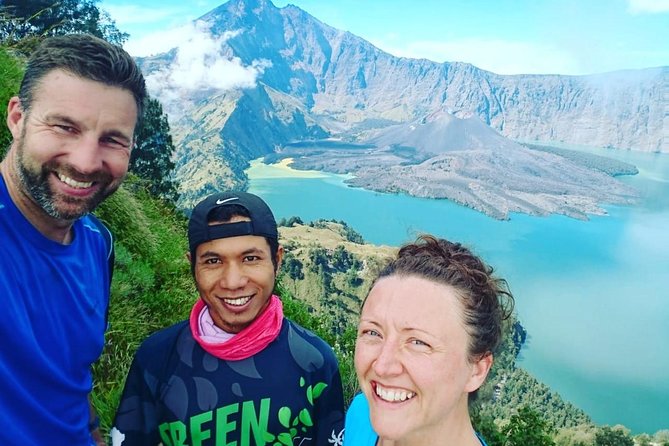
- The view arrives at 2,641 meters: The Senaru rim gives you the crater lake, Rinjani summit, Gilis, and Mount Agung in Bali from one high campsite.
- A private guide controls the pace: Guides including Dana, Adi, Yun, Ubang, and Sri have been singled out for patience and careful support.
- Porters handle camp supplies: Tents, cooking equipment, food, and bedding are carried and prepared, but an extra porter for your personal luggage costs $22 per day.
- Day one is mostly uphill: Expect about seven to eight hours from Senaru Village to the rim, with jungle, open savanna, steep slopes, and stony ground.
- Day two is a long descent: After breakfast and sunrise, you walk back to Senaru in roughly five to six hours.
- You need to bring key personal gear: A headlamp or flashlight, trekking shoes, warm layers, long trousers, sun protection, and a small daypack are not included.
Why this two-day Rinjani route works
This trip gives you the main visual reward of Mount Rinjani without asking you to climb to the summit or descend to the crater lake. You hike from Senaru to the crater rim, sleep there, then return by the same general route.
That distinction matters. A summit trip starts much earlier and demands a harder climb, while this route focuses on the broad views from the rim. You still need a moderate level of fitness, but the plan is easier to understand and less rushed than a summit attempt.
At $205, the package offers solid value if you need transport and camping support. Food, bottled water, snacks, coffee or tea, dinner, breakfast, lunch, a guide, porters, camping gear, and transfers are included. You are not simply paying for a walk. You are paying for a small outdoor operation to carry supplies, cook at altitude, put up camp, and bring you back to your next destination.
You should still budget for personal items, tips, trekking shoes, a jacket, long trousers, and a torch. If you want a porter to carry your own luggage, that costs an extra $22 per day.
More walks and treks around Lombok:
- 2D1N Senaru Crater Rim Trekking
★ 5.0 · 178 reviews - Rinjani Trekking 3D2N Summit
★ 4.5 · 85 reviews - 3D/2N Rinjani trekking summit,lake and hot springs.
★ 5.0 · 85 reviews
Starting through Senaru’s coffee and bamboo country
The listed start time is 7:00 a.m., with the trek itself beginning around 7:30 to 8:00 a.m. The morning start is useful. It gives you cooler conditions for the first major climb and leaves time to reach the rim before sunset.
The opening section passes through open ground near Senaru, where you can see coffee trees, bamboo, and other plants grown by local people. For about 30 minutes, you have more open views before reaching the gate of the tropical rainforest.
This first stretch helps you settle into the rhythm. You are not thrown straight onto a steep slope, but the walk soon becomes a steady climb. A short break of about 15 minutes is planned near the forest entrance.
Inside the forest, shade becomes the main benefit. The air is humid, and the track is protected from direct sun, though the damp conditions can make the climb feel heavy. Large trees line the route, and you may hear or see black and brown monkeys.
The forest is pleasant, but do not mistake shade for ease. You still gain height for several hours, and humidity can drain energy faster than you expect. Keep water accessible, pace yourself, and use the private-tour format to ask for short pauses before you are exhausted.
Pos 2 and the first proper food break
After roughly three hours of walking, you reach Pos 2, also called Montong Satas, at about 1,500 meters. This is a recovery stop, not just a quick photo pause.
The guide and porters prepare soft drinks, crackers, and fresh fruit such as bananas and pineapple. That may sound basic, but fresh food and a proper rest matter on a climb where you are spending hours on your feet.
I would use Pos 2 to adjust clothing, check your feet, and eat before the next section. The day gets more demanding as you gain height. A small daypack is enough for your personal essentials, since the porters carry the larger camping load.
Keep your small bag close at later rest stops. Brown monkeys live near Pos 3 and may take unattended items. This is a good reason not to leave snacks, phones, or small backpacks lying around while you wander off for a break.
Pos 3, local fruit, and lunch at 2,000 meters
From Pos 2, allow about two more hours to reach Pos 3, known as Mondokan Lokak, at approximately 2,000 meters. The route remains inside the rainforest, with local strawberries growing along the path in June, July, and August.
The fruit is a seasonal detail rather than a guaranteed attraction, but it gives the walk a sense of place. You are moving through a working, living mountain environment, not a marked city park.
Lunch is prepared at Pos 3, and the planned rest here is about an hour and a half. Fresh fruit and biscuits are also served. This long pause is important because the final approach to the rim changes character.
The monkeys around this area are another practical concern. Keep your small backpack within reach, close zippers, and do not leave food exposed. You will enjoy the stop more if you treat your belongings as part of the routine.
A few more Lombok half-days to weigh up
- Mount Rinjan 2Days Summit Full Sunrise View Point 3726m
★ 5.0 · 96 reviews - Mt. Rinjani 2D1N Senaru Crater Rim
★ 5.0 · 75 reviews - Trekking Mt. Rinjani 2 Days 1 Night Senaru Crater Rim
★ 5.0 · 55 reviews - Mount Rinjani Hiking to summit( 2 Days 1 Night )
★ 5.0 · 50 reviews
Leaving the forest for the Senaru rim
About 25 minutes beyond Pos 3, the trail leaves the rainforest. Suddenly, the trees give way to open savanna and broad views over the hills and Senaru village.
This transition is one of the memorable parts of the route. The forest has protected you from the sun, but the open slopes give you the views you came for. They also expose you to heat, wind, and direct light, so a hat, sunglasses, sunscreen, and water become more important.
The climb now becomes steeper and stonier. A section known as Cemara Lima offers a place to pause and look back across the area below. The exact effort depends on your group and conditions, but the final uphill section is not a casual stroll.
The private setup is especially useful here. Guides such as Dana, Adi, Yun, Ubang, and Sri have been praised for staying attentive to the group’s pace and needs. You can ask your guide to slow the rhythm, take a break, or help you judge how much farther remains.
The final hour leads toward Pelawangan 1, the Senaru Crater Rim. The campsite sits at about 2,641 meters. The trail is stony and fairly steep, so good trekking shoes are more important than lightweight fashion.
Sunset over the Gilis and Bali
The reward at the rim is not just one view. From camp, you can see the crater lake, Rinjani’s 3,726-meter peak, the three Gili islands, and Mount Agung in Bali.
At sunset, the Gilis and Mount Agung provide the most distinctive sight. The changing light gives you a wide view across Lombok and toward Bali, while the crater and lake make it clear that you are standing on the edge of a huge volcanic basin.
Your tent is set up at the rim, and dinner is prepared there. The package includes a tent, sleeping bag, camping pillow, sleeping mat, camping chair and table, and a toilet tent. Those details make a real difference after the climb. You can sit down, eat a hot meal, and stop worrying about where to sleep.
The campsite is basic outdoor accommodation, not a lodge. Bring a warm trekking jacket and long trousers. A headlamp or hand torch is not included, so you need to pack one. The night sky can be a special part of the stay, but warmth and comfort depend on the clothing you bring.
Sunrise, crater views, and the long walk down
Day two begins with breakfast and time to enjoy sunrise beside the crater. This is the quieter viewing period, when you can take photographs of the lake and surrounding peaks before starting the descent.
You do not climb Rinjani’s summit on this itinerary. You also do not descend to Segara Anak crater lake. The goal is the Senaru rim, and the second day returns you to Senaru Village.
The walk down takes roughly five to six hours. Descending can feel easier at first, but steep, stony ground can punish knees and ankles. Trekking poles are optional, but they may help if you already use them.
The tour expects you back at the Rinjani Trekking Centre around 12:30 to 1:00 p.m. A private car then takes you to your next destination. Because the end point returns to the meeting point, this works well if you are continuing through Lombok after the trek.
Do not schedule a tight afternoon flight based on that estimate. Mountain walks can take longer, and the package does not include an airplane ticket. You will have a better day if you treat the afternoon transfer as flexible.
Food, porters, and the service that matters
The strongest part of this arrangement is the amount of practical work handled for you. Porters carry the shared camping supplies, set up the tent, and prepare meals. You carry your personal daypack rather than the whole overnight camp.
Food is included throughout the trip, with meals, snacks, fresh fruit, bottled water, soft drinks, coffee, and tea listed in the package. Several guides and porters have been praised for supplying plentiful meals and keeping water available, which is exactly what you want during a long climb.
The human side also matters. Dana is described as supportive, while Adi is noted for patience and close attention to the group. Yun worked with porters Jamal and Jaka, and Ubang and Sri have also been praised for attentive support. These names do not guarantee who will lead your hike, but they show the kind of guide service the company aims to provide.
Some arrangements include a guesthouse stay before the hike, with reports of a clean room, hot water, and a good view. The supplied tour details clearly include overnight camping on the mountain, so confirm any pre-trek accommodation directly when booking if you need it.
What to pack for a 2,641-meter campsite
Bring the items the package leaves to you. Your personal kit should include:
- Headlamp or hand torch
- Trekking shoes or sturdy trail shoes
- Long trekking trousers and a windproof jacket
- Two or three T-shirts and a pair of shorts
- Sunblock, a hat, and sunglasses
- Insect repellent
- Small towel and toiletries
- Muscle spray or balm
- Small backpack for daily items
- Camera and spare power supplies if needed
Trekking poles, sandals, swimwear, binoculars, and fishing gear are listed as optional. A swimming suit is not needed for the crater-rim route itself, but it may suit a wider Lombok trip.
Pack light, but do not skip warm clothing. The route begins in a warmer, humid forest and ends on an exposed high rim. You need to prepare for both settings in the same two days.
Who should book this Rinjani trek?
I would choose this trip if you want Rinjani’s big crater views but do not want the summit route. It suits a private group that values its own pace, included meals, and the convenience of a guide and porters.
It is also a good fit if you are moving around Lombok and want transfers included at the beginning and end. The schedule is short enough to fit into a broader trip, though the physical effort is serious enough that you should not place it between two demanding activities.
I would think twice if you dislike steep trails, humid forest, stony descents, or basic camping. The route is described as relatively gentle compared with other Rinjani options, but the first day can take about seven to eight hours, followed by a five to six-hour descent.
The child rate applies only when a child shares with two paying adults. All hikers should have a moderate level of physical fitness. This is a private activity for your group alone, not a shared departure.
Should you book it?
Book this tour if your priority is the Senaru crater-rim view, a private pace, and a package that takes care of food, camp, porters, and transfers. At $205, it is good value for the amount of support included, especially if you would otherwise need to arrange transport, equipment, meals, and a guide separately.
Do not book it expecting the summit or the crater lake shore. Bring a torch, warm layers, proper shoes, and realistic energy. If you can handle a long uphill day and an even longer-feeling descent, this two-day route gives you one of Lombok’s finest mountain views without adding the summit climb.
Free cancellation is available up to 24 hours before the 7:00 a.m. start time. Changes or cancellations made inside that window are not accepted for a refund.
FAQ
How long is the Rinjani 2D1N trek?
The experience lasts approximately two days and one night. Day one takes about seven to eight hours from Senaru Village to the crater rim, while day two takes roughly five to six hours to return.
Does the trek reach Mount Rinjani’s summit?
No. This itinerary ends at the Senaru Crater Rim at 2,641 meters. It provides views of Rinjani’s 3,726-meter peak but does not climb to the summit.
Is camping equipment included?
Yes. The package includes a tent, sleeping bag, camping pillow, sleeping mat, camping chair and table, and a toilet tent.
Are meals and drinks included?
Yes. Food and drinks include dinner, breakfast, lunch, bottled water, coffee or tea, soft drinks, fresh fruit, biscuits, and snacks.
Is a porter for personal luggage included?
The included porters handle the trekking and camping supplies. An extra porter for your own luggage can be arranged for $22 per day.
What equipment do I need to bring?
You need to bring a headlamp or hand torch, trekking shoes, long trousers, a trekking jacket or windproof jacket, sun protection, toiletries, insect repellent, and a small backpack.
Where does the tour start and finish?
The meeting point is in Lombok, West Nusa Tenggara. The activity returns to the meeting point, after which a private car takes you to your next destination.
Just added around Lombok
- Full-Day Private Trip to South Lombok★ 5.0 · 15 reviews
- MODERATE HIKING: 2D/1N Crater Rim Senaru | Rinjani Samalas Tour★ 5.0 · 8 reviews
- Trekking Rinjani Mountain Summit 2 Days 1 Night – Em Adventure★ 5.0 · 42 reviews
- Waterfall Tour And Sasak Traditional Tour★ 5.0 · 3 reviews
- Trekking Rinjani 1 Day Trek Senaru Crater Rim★ 5.0 · 3 reviews
- Fantastic trip to Sindang Gile & Tiu Kelep Waterfall★ 4.5 · 3 reviews
- Lombok Tour For Cruise Passangers★ 4.5 · 16 reviews
- Trekking Rinjani Volcano To Crater Rim Senaru 2D-1N Private – Syam Trekker★ 5.0 · 45 reviews
Lombok Tours, compared.
Learn to cook Indonesian food at Gili Cooking Classes Trawangan
Read our review →
Tetebatu Walking Tour – Rice Terraces, Waterfall & Monkey Forest
Read our review →
Gili Island Snorkeling Trip – Gili Trawangan, Gili Meno, & Gili Air, From Lombok
Read our review →

Private Snorkeling Gili Island (Coral, Statue and Turtle)
Read our review →
Day Trip 5 Secret Gilis : Layar, Rengit, Nanggu, Tangkong, Kedis
Read our review →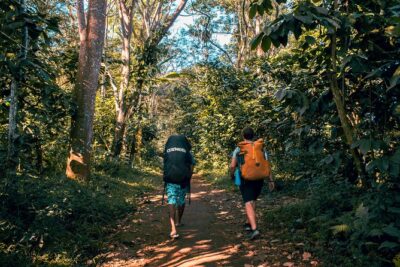
Browse the lists this tour appears in