
Reviewed · LOMBOK TOURS
Private 2 Days and 1 Night Summit in Mount Rinjan
Mount Rinjani saves its biggest test for the final morning. You climb from Sembalun village to the 2,639-meter crater rim, sleep in a tent above the clouds, then leave around 3 a.m. for the steep push to Indonesia’s 3,672-meter summit. I like the private format, since your guide can adjust the pace to your group. I also like that porters carry the camping equipment while meals, water, a tent, sleeping gear, poles, and a headlamp are supplied.
The catch is simple: this is a hard climb, not a casual mountain walk. Day one crosses open, hot grassland and five demanding hills. Day two begins in the dark and includes loose, steep ground near the summit, so strong fitness and sensible preparation matter more than enthusiasm alone.
Key points at a glance
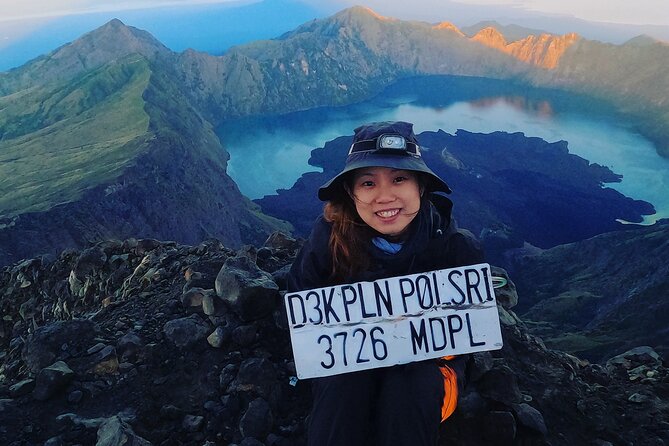
- Sunrise from 3,672 meters: The summit push begins at about 3 a.m. so you can reach the top near sunrise.
- Sembalun’s open approach: Day one offers broad views but little shade across a long, exposed route.
- Private guiding: Only your group takes part, with room for a guide to match your pace.
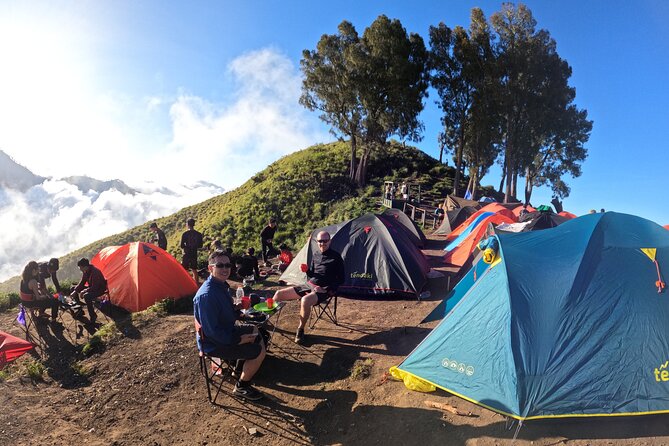
- Camping at 2,639 meters: Your overnight stop is the Sembalun crater rim, with sunset and sunrise views.
- Porter-supported camping: Porters carry the camping equipment, while you carry a small bag or day pack.
- A real budget check: The $195 price includes much of the practical gear and food, but the entrance fee is listed separately at IDR600,000 per person.
Why the Sembalun route is worth the effort
This two-day route is built around one goal: the summit. You start in Sembalun village at roughly 1,100 to 1,150 meters and climb to Pelawangan Sembalun, the crater rim, before making the summit attempt the next morning.
That route gives you a gradual visual change. The lower section opens into wide grassy slopes, then the path rises toward darker, more rugged volcanic terrain. The scenery is a major part of the reward, but the open approach also means sun and heat can wear you down before the hardest climbing begins.
I like this route for people who want the classic Rinjani summit challenge without spending several nights on the mountain. You get one night under canvas and a direct summit attempt, rather than a longer circuit. The tradeoff is that the schedule leaves little room for a slow, relaxed pace.
The tour is private, so your group does not have to match the speed of a large mixed party. That is useful on a mountain where one person may be ready to press on while another needs frequent breaks. A private trip does not make the climb easy, but it can make the day feel more manageable.
More evenings out in Lombok:
- Rinjani Trekking Three Days Two Night Summit Lake
★ 4.5 · 73 reviews - 4-in-1 • Gili Islands Snorkel & Sunset Half-day Catamaran Cruise
★ 5.0 · 68 reviews - Trekking Mt. Rinjani 2 Days 1 Night Senaru Crater Rim
★ 5.0 · 55 reviews
Day one: Sembalun village to the crater rim
The day begins with a 7:30 a.m. start. The arrangements identify Senaru as the meeting point in North Lombok, with transfer to Sembalun in a special mountain vehicle. The transfer matters because the trek starts in Sembalun, not at the meeting point.
The first walking section takes you across open country. The route is described as long, with heat likely during the meadow crossing. Carry water within easy reach, use sun protection, and keep your first hours controlled. A common mistake on a mountain day is to spend too much energy early, when the finish is still several hours away.
The route climbs through five high and challenging hills before the crater rim. Think of these as repeated tests rather than one single wall. You gain height, lose a little momentum, then face another climb. The terrain and heat work together, so your guide’s pacing will matter.
The day one walking schedule is listed at about seven hours, although the full crater-rim stop is shown as a much longer period because it includes the overnight stay. You should expect the climb to occupy most of the day, with time for breaks and camp setup once you arrive.
At Pelawangan Sembalun, the crater rim sits at about 2,639 meters. This is your camp for the night, and it is also the point where the trip changes character. The daytime route is a long uphill walk through open scenery. From here, the summit is still ahead, and the next climb will begin before dawn.
Sunset camp at 2,639 meters
Camping at the crater rim is one of the strongest parts of the plan. You can settle into the tent, eat dinner, and watch the light change over the mountain before trying to sleep.
The supplied camping setup includes a double-size tent, chairs, a toilet tent, sleeping bags, pillows, and a mattress. That is a useful amount of equipment to have carried for you. You still need to bring personal hiking clothing and a small bag, but you do not need to transport the full camp on your back.
Dinner, breakfast, lunch, snacks or other meals listed in the package, and safe drinking water are included. The exact food menu is not specified, but recent trips have been praised for satisfying meals and careful support from the porter team. On a climb this demanding, hot food and regular drinking are not minor comforts. They can make the difference between continuing steadily and running out of energy.
Night temperatures at the rim can be cold, and the summit is colder still. Bring warm layers even if the lower slopes feel hot. Long pants and gloves are specifically listed as items you must provide yourself, along with trekking shoes and a day pack.
The sleep itself may be short. You wake at about 2:30 a.m. for a light breakfast and prepare for the summit at roughly 3 a.m. The early alarm is part of the design, not a surprise. The goal is to reach the summit in time for sunrise.
Day two: the 3 a.m. summit push
The summit climb is listed at about three and a half hours. In practical terms, this is the most difficult part of the trek. You start in darkness, climb by headlamp, and work toward 3,672 meters while conserving enough strength to return.
The tour supplies a headlamp, trekking poles, and sticks, but you should still make sure the equipment fits and works before leaving camp. Your guide can help with the route and pace, while the poles give you extra balance on steep or loose sections.
Near the top, the climb becomes especially demanding. The final section requires stamina and patience, and the cold can become severe. The reward is the summit at sunrise, with a wide view from the top of Indonesia’s second-highest mountain.
I would treat the summit as a possibility to work toward, not a result you can demand from your body. The information for this tour clearly warns that strong physical fitness is needed. If weather, exhaustion, or safety makes the summit unwise, the right choice is to follow the guide’s advice rather than turn a mountain goal into a dangerous one.
Once you have spent time at the top and taken photographs, you return to the crater-rim camp and continue down toward Sembalun village. The descent is not an easy finish. Tired legs, heat, and the rough trail can make the downhill section surprisingly hard.
A few more Lombok half-days to weigh up
- 2D1N Senaru Crater Rim Trekking
★ 5.0 · 178 reviews - Mount Rinjan 2Days Summit Full Sunrise View Point 3726m
★ 5.0 · 96 reviews - Rinjani trekking 2D 1N RIM
★ 5.0 · 94 reviews - Mt. Rinjani 2D1N Senaru Crater Rim
★ 5.0 · 75 reviews
What the guide and porter team add
A guide and porter are included, which changes the feel of a two-day summit trip. The porter carries camping equipment, allowing you to focus on walking with a lighter day pack. You still need to carry your own personal items, so pack carefully rather than treating the porter service as a reason to bring everything.
The private format is useful here. Your group is not combined with strangers, and the guide can adjust breaks and walking speed around your needs. It is still important to speak up early if you are struggling. Waiting until you are exhausted helps nobody.
Ialu, the company’s boss, has personally handled logistics and given safety briefings on some departures. Guide Ir has also been praised for a friendly, supportive approach and for adjusting to a climber’s pace. Staff can vary by departure, so consider these names useful points to ask about when confirming your booking, not guaranteed assignments.
The strongest practical pattern in the available feedback is the care from guides and porters. People have especially valued calm support on the steep sections, help with logistics, and a reassuring presence when the summit attempt became difficult. That is exactly the kind of service you want on Rinjani.
What the $195 price really covers
At $195 per person, this is not simply a guiding fee. The package includes breakfast, dinner, two lunches as listed, drinks, safe drinking water, camping equipment, a trekking guide, a porter for the camping gear, a headlamp, trekking poles and sticks, and insurance.
That list gives the price solid value if you would otherwise need to rent or arrange camping supplies separately. The private setup also adds value for a couple, family, or small group that prefers a dedicated team rather than a large shared departure. Group discounts are available, so the per-person cost may improve for larger private parties.
However, the entrance fee is not included. The information lists a park charge of IDR200,000 per day per person and also gives IDR600,000 per person as the amount due. Because those figures do not line up neatly with the two-day schedule, confirm the exact current fee and payment method before you go.
Tips for the guide and porters are also extra. Travel insurance is not included, even though the package separately lists insurance. Ask what the included insurance covers and arrange your own travel policy if you want broader protection.
The price does not include trekking shoes, long pants, gloves, or a small backpack. Those are sensible personal items to own or arrange before arrival. Your clothing is especially important because this trek moves from hot exposed slopes to cold, windy high ground in a short time.
Who should book this summit trek
This trip suits a fit hiker who wants a concentrated Rinjani challenge. You should be comfortable with long uphill days, early starts, heat, steep ground, and a demanding descent. Previous mountain experience would help, though the provided information does not set a formal experience requirement.
It also suits people who value personal attention. A private group lets you plan around your own pace, and the porter service removes the need to carry the tent and most camp supplies. Couples and friends who want a shared challenge may find the format a good match.
I would think twice if you want a gentle holiday activity, dislike camping, or need a late start. The second morning begins before 3 a.m., and the summit route can be physically punishing. The trip is short on the calendar but intense in its daily workload.
The average booking lead time is about 59 days. That suggests you should not leave planning until the last week, especially if your Lombok schedule depends on a particular date. Confirmation is provided at booking, and the operator can address equipment, pickup, guide assignment, and entrance fees before you arrive.
The cancellation terms are strict: the booking is non-refundable and cannot be changed for any reason. Only book once your dates, fitness, transport plans, and mountain conditions are clear.
How to prepare for the two days
Train for sustained uphill effort rather than only short, steep bursts. The route includes several major climbs on day one, followed by another summit attempt after a short night, so steady endurance is the key quality.
Use shoes you already trust. The package does not include trekking shoes, and a mountain trek is a poor place to test stiff or unfamiliar footwear. Long pants and gloves are also on your personal packing list.
Keep your day pack small. Carry the personal items you need, but let the porter service do its intended job. Your essentials should include warm layers, rain protection if needed, sun protection, personal toiletries, and any medication you use.
Expect mixed conditions. The meadow crossing can be hot, while the crater rim and summit can be very cold. Layering is more useful than bringing one heavy garment, since you will need to adjust clothing as the temperature and effort change.
Most of all, start slowly. The first day is not won in the opening hour. Save your strength for the five hills, the crater-rim climb, and the pre-dawn summit route.
Should you book the 2-day Rinjani summit trek?
I would book it if you want the summit, accept a tough schedule, and value having a private guide and porter team. The combination of included food, water, camping gear, equipment, and personal pacing makes the $195 base price attractive, though you must add the entrance charge and tips.
I would choose another plan if you want more time on the mountain or a softer walking schedule. This is a compact summit attempt with little spare energy and a non-refundable booking. For a fit hiker who prepares properly, it offers a powerful two-day mountain goal: climb from Sembalun, sleep beside the crater, and stand at the summit for sunrise.
FAQ
How long is the Mount Rinjani tour?
The tour lasts two days and one night.
Where does the trek begin?
The walking route begins in Sembalun village, at about 1,100 to 1,150 meters above sea level.
Where does the trek end?
The activity ends back at the meeting point after returning to Sembalun village.
What time does the tour start?
The listed start time is 7:30 a.m.
Where is the meeting point?
The meeting point is in Senaru, Bayan, North Lombok Regency, West Nusa Tenggara, Indonesia.
Where do I sleep during the trek?
You spend the night camping at the Sembalun crater rim, also called Pelawangan Sembalun, at about 2,639 meters.
What time does the summit climb begin?
You wake at about 2:30 a.m. and begin the summit trek at roughly 3 a.m.
What height is the summit?
Mount Rinjani’s summit is listed at 3,672 meters.
What equipment is included?
The package includes a double-size tent, camp chairs, a toilet tent, sleeping bags, pillows, a mattress, a headlamp, trekking poles, and sticks.
What do I need to bring or pay for separately?
You need to provide trekking shoes, long pants, gloves, and a small bag or day pack. Tips, travel insurance, and the entrance fee are also not included.
Just added around Lombok
- Full-Day Private Trip to South Lombok★ 5.0 · 15 reviews
- MODERATE HIKING: 2D/1N Crater Rim Senaru | Rinjani Samalas Tour★ 5.0 · 8 reviews
- Trekking Rinjani Mountain Summit 2 Days 1 Night – Em Adventure★ 5.0 · 42 reviews
- Waterfall Tour And Sasak Traditional Tour★ 5.0 · 3 reviews
- Trekking Rinjani 1 Day Trek Senaru Crater Rim★ 5.0 · 3 reviews
- Fantastic trip to Sindang Gile & Tiu Kelep Waterfall★ 4.5 · 3 reviews
- Lombok Tour For Cruise Passangers★ 4.5 · 16 reviews
- Trekking Rinjani Volcano To Crater Rim Senaru 2D-1N Private – Syam Trekker★ 5.0 · 45 reviews
Lombok Tours, compared.
Learn to cook Indonesian food at Gili Cooking Classes Trawangan
Read our review →
Tetebatu Walking Tour – Rice Terraces, Waterfall & Monkey Forest
Read our review →
Gili Island Snorkeling Trip – Gili Trawangan, Gili Meno, & Gili Air, From Lombok
Read our review →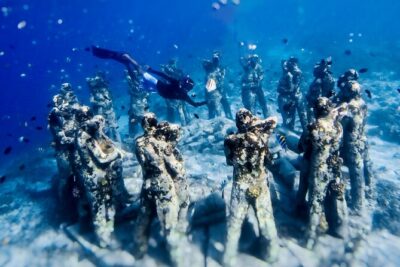

Private Snorkeling Gili Island (Coral, Statue and Turtle)
Read our review →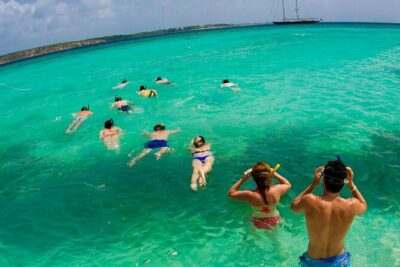
Day Trip 5 Secret Gilis : Layar, Rengit, Nanggu, Tangkong, Kedis
Read our review →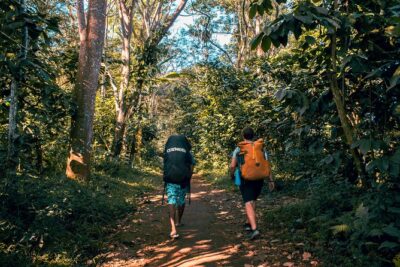
Browse the lists this tour appears in