Reviewed · SEMINYAK TOURS
Well-Guided Local Textile Tour of Denpasar
Denpasar’s best textile finds are not sitting in Seminyak boutiques. They are along older city streets, inside market stalls and small shops where locals buy cloth for clothing, ceremonies, interiors, and everyday use. This two-hour walk introduces you to that working side of Balinese life, with traditional batik, ikat, and endek weaving at the center.
I like the route’s variety, from meeting Pak Rayyis and seeing his personal textile collection to browsing the wide fabric selection on Jalan Sulawesi. I also like that Ayu can adjust the stops to suit your interests, and her English makes it easier to ask about local techniques. The main drawback is simple: this is a walking tour through market areas, not a polished boutique visit, so crowds, heat, and busy streets may be part of the experience.
Key points at a glance
- Meet Pak Rayyis on Jalan Gajah Mada: Begin with a personal look at a local textile collection before entering the markets.
- Compare several Indonesian cloth traditions: See Javanese hand-painted batik, modern batik, ikat, endek, and other woven fabrics.
- Browse Kumbasari Market: Visit two shops focused on batik, ikat, and traditional weaving.
- Finish on Jalan Sulawesi: Find affordable printed batik, linen, cotton, silk, rayon, lace, brocade, and dressmaking supplies.
- Get help with local shopping: Ayu offers tips for finding reasonable local prices.
- Small-group format: The tour accepts a maximum of 10 people and lasts about two hours.
Why Denpasar is the right place for a textile tour
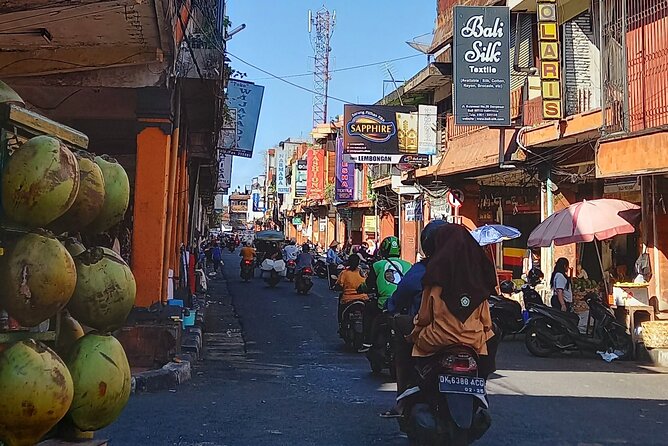
Seminyak is convenient for shopping, but it can make Bali feel like one long row of resort stores. Denpasar gives you a different view. It is the island’s main city, and its textile districts serve people who actually buy cloth for daily wear, ceremonies, tailoring, and home projects.
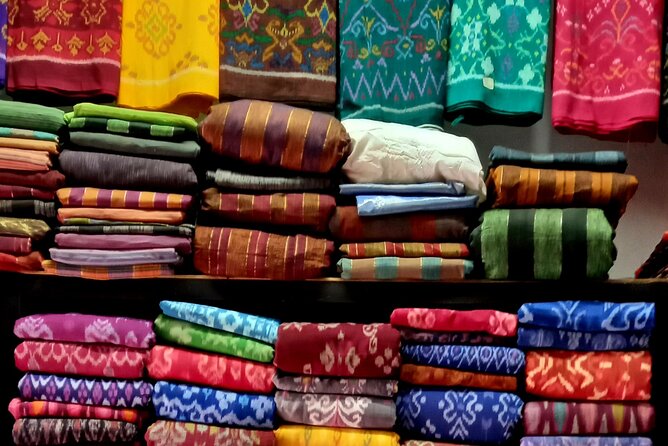
That matters because Indonesian textiles are not one single tradition. Batik, ikat, and endek use different methods, patterns, and regional styles. Some cloth is hand-painted. Some is woven. Some is made for regular use and sold at modest prices. A walk through Denpasar helps you see those differences in a practical setting instead of only encountering finished products with tourist prices.
I also like that the experience is built around local shops rather than a staged demonstration. You are not simply shown one famous fabric and sent back to your hotel. You move through several parts of the city and see how the pieces fit together.
The tour begins at 2:00 pm at Jl. Gajah Mada No. 1, Dauh Puri Kangin, in northern Denpasar. It ends at the same meeting point. Since the route is on foot, arrive ready for a city walk rather than a short stop inside one store.
A few more Seminyak half-days to weigh up
- Bali Full-Day Traditional Village Sightseeing Trip All Inclusive
★ 5.0 · 3,069 reviews - Experts Bali Driver : Best Bali Private Driver for Tour in Bali
★ 5.0 · 1,339 reviews - Bali Hai Sunset Dinner Cruise
★ 5.0 · 1,173 reviews
Starting with Pak Rayyis on Jalan Gajah Mada
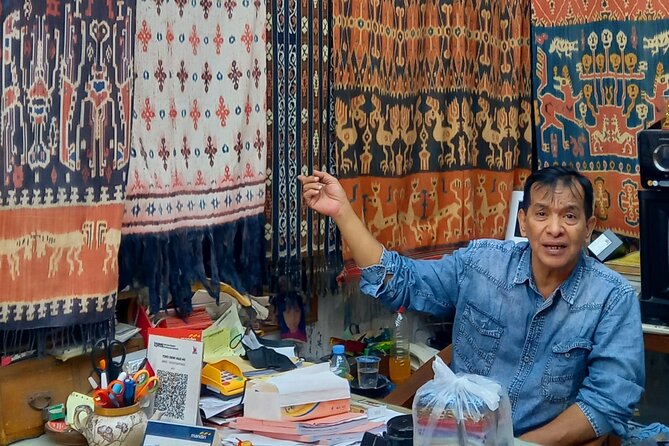
The first part of the afternoon takes place around Jalan Gajah Mada, one of Denpasar’s older central streets. Here, you meet Pak Rayyis and hear about his textile collection. This gives the tour a personal opening, with the focus placed on the cloth itself and the people who value it.
A collection can show details that are easy to miss when you are shopping quickly. You may notice differences in color, pattern, weave, and finish. You can also ask why a particular textile matters and how it relates to Indonesian clothing traditions.
This is a useful beginning for anyone who does not know the basic terms. Batik is often associated with wax-resist patterning, while ikat is created through a resist-dyeing process involving threads before they are woven. Endek is a Balinese woven textile with its own place in local dress and ceremony. The tour includes these categories, but it is not presented as a formal classroom lesson. Expect conversation and looking rather than a long technical lecture.
Ayu and Ngurah are the experience providers, and Ayu is the guide specifically praised for her English and her ability to shape the stops around individual interests. If you care most about hand-painted cloth, tailoring fabric, weaving, or shopping, tell her early. That can make a short tour more useful.
Kumbasari Market and its traditional cloth shops
From Jalan Gajah Mada, the route continues to Kumbasari Market. This is one of the most important parts of the walk for anyone who wants to see traditional textiles in a local market setting.
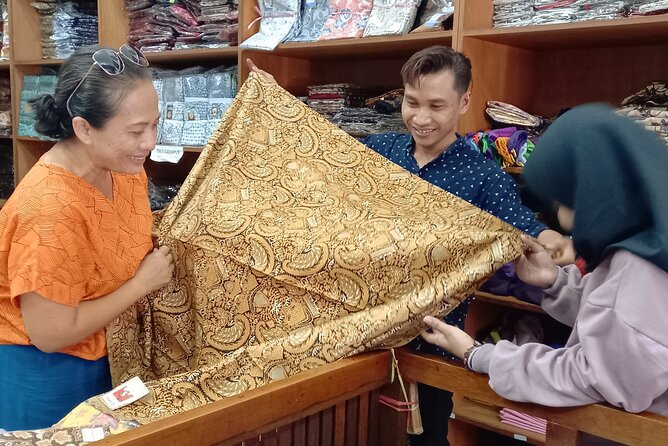
You visit two shops that specialize in batik, ikat, and weaving. The benefit of seeing two shops is comparison. You can look at different patterns, materials, colors, and price points without treating the first piece you see as your only choice.
The market setting also gives you a better sense of how cloth is bought outside the resort districts. The shops are not described as luxury showrooms, and that is part of their appeal. You might find a piece that feels more personal or unusual than the standard fabric sold in tourist shopping areas.
Keep your expectations practical. Kumbasari Market is a shopping stop, not a quiet museum. Product selection and prices can change, and the experience may feel crowded or visually busy. The advantage is choice. You are looking at actual market stock, not a fixed display created only for visitors.
Ayu’s shopping guidance is especially useful here. The tour includes tips for smart shopping and aims to help you find reasonable local prices. That does not mean every item will be cheap or that you should buy immediately. Use the stop to compare, ask questions, and decide what genuinely interests you.
If you want to buy, bring enough time to inspect the cloth carefully. Check the pattern, feel, and size before paying. The tour is only about two hours, so serious shopping can easily take up more time than you expect.
Jalan Sulawesi, Denpasar’s fabric district
The final major stop is Jalan Sulawesi, a well-known area for fabric shopping. This is where the tour expands beyond traditional textiles and shows how wide Indonesia’s cloth market can be.
You may find printed everyday-use batik at affordable prices, along with linen, brocade, cotton, lace, quilting materials, dressmaking fabric, interior materials, silk, rayon, and other cloth types. For anyone who sews, designs clothing, works with crafts, or needs material for a home project, this stop may be the most useful part of the afternoon.
It is also a good reminder that textile shopping in Indonesia is not limited to ceremonial cloth. The same district can serve someone looking for traditional batik, a dressmaker seeking lace, or a shopper searching for a simple printed cotton fabric.
The selection is described as colorful and extravagant, but the main attraction is breadth rather than one guaranteed purchase. You might find exactly the kind of fabric that is difficult to locate in a Seminyak boutique. You might also see so many options that you need help narrowing them down.
I would save your strongest shopping interest for Jalan Sulawesi, especially if you want modern fabric or sewing supplies. If you are mainly interested in heritage textiles, pay close attention earlier at Kumbasari Market and during the introduction with Pak Rayyis.
Same base, a completely different kind of day:
- Private Arrival Transfer: Bali Airport to Hotel
★ 4.5 · 739 reviews - Ubud Hot Springs and Waterfall Private Guided Tour
★ 5.0 · 719 reviews - Bali Secret Waterfall Tour – Private and All-Inclusive
★ 5.0 · 688 reviews - Bali Instagram Tour: The Most Scenic Spots
★ 5.0 · 634 reviews
What makes the guide valuable
A textile district can be confusing without context. Fabric names, regional styles, patterns, and prices are not always easy to understand at a glance. A local guide gives you someone to ask before you spend money.
The strongest personal detail about this experience is Ayu’s willingness to modify the stops around your interests. That matters because a person who loves hand-painted batik needs a different afternoon from someone shopping for linen, quilting material, or interior fabric.
Her English is described as excellent, and she can explain local techniques. That makes the tour more than a sequence of shops. You can ask about how cloth is made, what a textile is used for, and why one item costs more than another.
The provider is Ayu and Ngurah, and the maximum group size is 10 people. That is small enough for questions to remain practical, though it is not a private tour unless you book it that way. A smaller group can also make it easier to move through shops and keep track of your purchases.
Price, timing, and what two hours really offers
The price is $25 per person. For two hours, that is a reasonable fee if you want an introduction to Denpasar’s textile areas and expect to ask questions while shopping. The value comes less from the amount of time and more from the route, local access, and help with understanding what you are seeing.
You are paying for a focused orientation, not a full-day textile workshop. There is no indication that you will make batik, weave fabric, or receive a finished item. If you want hands-on production, this is not the right format.
Two hours is enough to sample several locations, but it is not enough to inspect every shop on Jalan Sulawesi. You will need to choose between listening, comparing, and buying. That short length works well if you have limited time in Bali or want a practical introduction before returning to shop alone.
The tour is booked, on average, 22 days ahead. That suggests you should reserve early if the 2:00 pm start fits your plans, especially since the group is limited to 10 people. A mobile ticket is provided, and confirmation normally arrives at booking unless you reserve within two hours of departure.
The meeting point is near public transportation, and the activity returns to the same place. No hotel pickup is listed, so plan your own way to Jl. Gajah Mada No. 1.
Who will enjoy this walk most
This is an easy choice for a fabric lover. You get several kinds of Indonesian cloth in one compact route, plus access to shops that may not be obvious from Seminyak.
It also suits:
- People who sew, quilt, design clothing, or work with interiors
- Visitors who want local shopping rather than resort boutiques
- Anyone curious about the difference between batik, ikat, and endek
- Shoppers looking for affordable printed fabric and dressmaking supplies
- Visitors who prefer a small group and a guide they can question
You do not need to be an expert. In fact, beginners may gain the most because Ayu can explain the basic techniques and help you focus your attention.
This may be less suitable if you dislike shopping, want a seated cultural presentation, or have difficulty walking through market districts. The tour is described as a walking experience, and the route includes old city streets and market areas. The information does not specify the amount of walking, seating, or step-free access, so ask the provider if those details are important to you.
Practical shopping advice for the afternoon
Go in with one or two goals. You might want a hand-painted batik, a length of cotton, or simply a better understanding of Balinese weaving. A clear aim helps you avoid buying the first attractive pattern you see.
Ask Ayu about the differences between pieces before negotiating or comparing prices. A lower price may reflect the material, the production method, the size, or whether the fabric is intended for everyday use.
The local-price advice is one of the tour’s most useful features. It can help you shop with more confidence, but you should still make the final decision yourself. A guide can explain the market, not guarantee that every piece is the right purchase.
If you find something special, note the shop and fabric details before moving on. Since the tour ends back at the starting point, you may be able to return later if the route and your schedule allow, though that possibility is not promised.
Weather and cancellation details
This experience requires good weather. If poor weather causes a cancellation, you are offered another date or a full refund. The tour also requires a minimum number of people, so an insufficient group may lead to a different date, another experience, or a full refund.
You can cancel for a full refund up to 24 hours before the start time. Cancellations or changes made less than 24 hours ahead are not refunded or accepted. The cut-off uses local Bali time, so check your calendar carefully if you are booking from another time zone.
Most people can participate, but the available information does not provide detailed accessibility guidance. Contact Ayu and Ngurah before booking if walking conditions or market access are a concern.
Should you book the Denpasar textile tour?
Book it if you want to see the working side of Bali’s cloth trade, compare traditional textiles, and shop with help from a local guide. The combination of Pak Rayyis’s collection, Kumbasari Market, and Jalan Sulawesi gives you more range than a single boutique visit.
The $25 price is fair for a two-hour orientation, especially if you plan to buy fabric and want practical advice. Ayu’s flexible approach is another reason to choose it. Tell her what interests you, then use the route to look closely rather than rushing from shop to shop.
Skip it if you want a hands-on craft lesson, a long historical talk, or a quiet indoor activity. For textile lovers, curious shoppers, and anyone tired of polished tourist stores, this is a direct and useful way to meet Denpasar through its cloth.
FAQ
Where does the tour start?
The tour starts at Jl. Gajah Mada No. 1, Dauh Puri Kangin, Kecamatan Denpasar Utara, Kota Denpasar, Bali 80232, Indonesia.
What time does the tour begin?
The start time is 2:00 pm.
Where does the experience end?
The tour ends back at the meeting point.
How long does the textile tour last?
The walking tour lasts approximately two hours.
What textiles can I see?
The tour includes Javanese hand-painted batik, modern batik, ikat, endek weaving, printed batik, linen, brocade, cotton, lace, quilting materials, dressmaking fabric, interior fabrics, silk, and rayon.
Will there be opportunities to shop?
Yes. You visit shops at Kumbasari Market and Jalan Sulawesi, where you can look for traditional textiles and other fabric materials.
How many people can join the tour?
The maximum group size is 10 people.
What is the cancellation policy?
You can cancel up to 24 hours before the start time for a full refund. Changes or cancellations made less than 24 hours before the experience are not accepted or refunded.
Just added around Seminyak
- Ubud Private Tour★ 5.0 · 36 reviews
- Kuta Seminyak Scooter Lessons★ 5.0 · 40 reviews
- Bali Airport Transfers | Bali Airport Welcome pick up | Bali Airport Taxi★ 4.0 · 27 reviews
- Wonderful Bali In 3 Days Private Tour★ 5.0 · 56 reviews
- Zero Gravity Flotation Therapy in Canggu Bali by Solace Float★ 5.0 · 36 reviews
- Best of North Bali: Banyumala Waterfall, Handara Gate and Temple★ 5.0 · 4 reviews
- Ubud Tubing Adventure Holy Spring Temple Private Guided Tour★ 5.0 · 49 reviews
- Surf lesson | Energy surfschool krui★ 5.0 · 3 reviews
Seminyak Tours, compared.

Bali Full-Day Traditional Village Sightseeing Trip All Inclusive
Read our review →

Ubud Hot Springs and Waterfall Private Guided Tour
Read our review →
Bali Secret Waterfall Tour – Private and All-Inclusive
Read our review →

Uluwatu Sunset Tour: Kecak and Fire Dance with Jimbaran Dinner
Read our review →
Bali Blue Lagoon Snorkeling – Lunch and Transport All Inclusive
Read our review →