
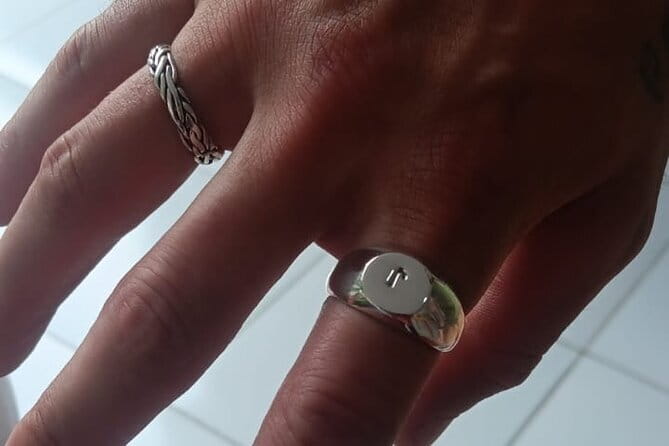
Reviewed · KUTA TOURS
Uluwatu Silver Class: A Unique Jewelry-Making Experience in Bali
The most memorable part of this Uluwatu silver class is that you do not simply buy a Balinese souvenir. You make one. Under a local silversmith’s direction, you select a design, melt silver grain, shape it, solder it, then sand and polish the finished piece.
I like two things here. First, your jewelry is genuinely personal, since you create the design and take home the piece you make. Second, the class fits neatly into a south Bali day, with beaches, Garuda Wisnu Kencana, and the Uluwatu Kecak Dance nearby. The main consideration is that the instructor’s English may be limited, so detailed technical explanations can be harder to follow.
Key points before you book
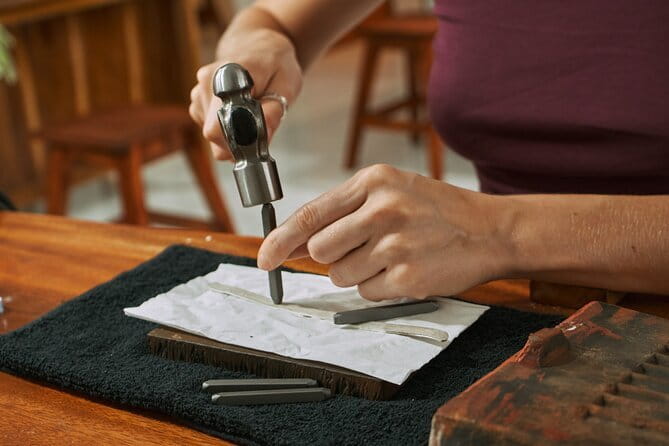
- One handmade piece per person: Make a ring, bracelet, or another approved design, but silver cannot be combined between participants.
- A real step-by-step workshop: You work through melting, forming, shaping, soldering, sanding, and polishing rather than watching a demonstration.
- A flexible 1.5 to 3 hours: The exact length depends on your design and working pace.
- Five grams is the practical price allowance: A piece under 5 grams is still charged as 5 grams, while heavier work costs IDR 100,000 per extra gram.
- Useful south Bali location: The class is in Ungasan, near Balangan, Melasti, Pandawa, Nyang-Nyang, and Uluwatu beaches.
- A small-group feel: This is a private activity for your own group, with materials, tools, a snack, mineral water, and Wi-Fi supplied.
Turning silver grain into a personal souvenir
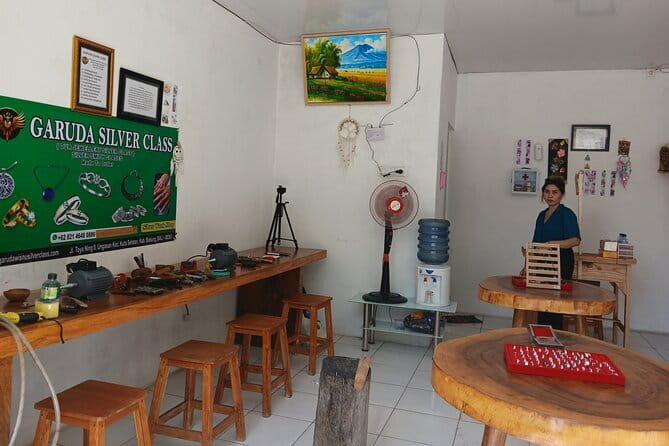
Most Bali shopping produces something made for thousands of other visitors. This class gives you a different kind of keepsake. You leave with a piece of silver that carries the marks of your choices, your hands, and the time you spent making it.
The process begins with design selection. You choose what you want to make, then discuss the form with the silversmith. Rings and bracelets are popular choices, but the exact result depends on the available designs and the weight of silver used. If you want a gemstone, you can add one for an extra IDR 100,000 to 500,000, based on its type and size.
You then learn about the materials and tools. The class is designed for people with no jewelry-making background, so you do not need to arrive knowing how to handle silver. The instructor guides each stage, but you still take part in the work.
The silver starts as small grains. You watch it being melted and then help form it into wire or plate, depending on your design. From there, the raw material becomes something more recognizable: a curved band, a linked shape, or another simple jewelry form.
Soldering is one of the more technical stages. This joins parts of the piece and requires care, which is why close guidance matters. After the main shape is complete, sanding removes rough edges. Polishing gives the silver its finished appearance.
I like this order because it makes the souvenir feel earned. You see the material change several times, and each stage explains why handmade jewelry costs more than a mass-produced trinket. It is not just a craft activity for children, though families can take part. Adults who want a quiet, practical creative session should find it satisfying too.
More Uluwatu Temple Visits in Kuta
- Private Tour Bali Beaches and Uluwatu Temple with Dinner
★ 5.0 · 363 reviews - Kecak Fire Dance and Sunset at Uluwatu Temple All Inclusive
★ 4.5 · 86 reviews - Best Bali Beaches – Uluwatu Temple – FREE Wi-Fi
★ 4.5 · 70 reviews
What happens during the 1.5 to 3-hour session
The class does not promise a fixed three-hour schedule for everyone. Its stated duration is about 1.5 to 3 hours, and your design will affect the timing. A simple ring may move faster than a more involved bracelet or a piece with several joined sections.
Choosing your design
The first decision is also the one that controls much of the rest of the session. Pick a design that fits the silver allowance and your available time. If you are unsure, ask the silversmith what is realistic within the class.
You are allowed to make only one piece. That limit is important for couples or families who might expect to pool silver and create a larger item. Each participant has an individual silver allowance, and silver cannot be shared with another person.
The finished jewelry belongs directly to the person who makes it. That gives the activity a clear personal reward, especially if you are making a ring or bracelet as a reminder of a Bali trip.
Learning the tools and materials
Next comes a basic introduction to the tools and silver. The class supplies what you need, so you do not have to bring equipment or buy materials before arriving.
This is where the experience may vary according to communication. The silversmiths are described as friendly and effective at guiding beginners, but one participant found the instructor’s English limited and had trouble getting much information from the explanation. If technical detail matters to you, use simple questions, watch the demonstration carefully, and ask the instructor to show each step before you begin.
That issue does not necessarily prevent you from making a good piece. The work is physical and visual, and the instructor remains nearby to guide the process. Still, you should book this for the hands-on result, not for a long lecture about Balinese silver traditions.
More Uluwatu sunsets and kecak nights:
- Uluwatu Sunset,Kecak Dance and Diner Seafood In Jimbaran
★ 5.0 · 56 reviews - Bali: Uluwatu Kecak Dance Show, Bali Temple, and Lobster Dinner
★ 3.5 · 44 reviews - Snorkeling In Nusa Penida And Uluwatu Sunset Tours
★ 4.5 · 35 reviews - Bali Spa Tour, Beaches, Uluwatu Temple Sunset & Jimbaran Bay Dinner
★ 5.0 · 13 reviews
Melting and forming
The silver grain is melted, then formed into the material needed for your design. This is the point where the class feels most unlike a standard souvenir-shopping stop. You are starting with raw material rather than decorating a finished object.
The silver may become wire or plate. The choice depends on your design, and the silversmith helps shape it into a workable starting form. You do not need previous experience, but you do need to follow directions closely during the hot-work stages.
For many people, this will be the most unusual part of the session. The jewelry is no longer an abstract idea on a display tray. You can trace its progress from grain to a usable piece.
Shaping and soldering
Once the silver has been formed, you shape it into the design you selected. This can include bending, fitting, and joining sections. Rings need careful attention to size and curve, while bracelets may involve more length and structure.
Soldering joins the parts. This is a skilled stage, and the silversmith’s supervision is especially useful here. The class is not a do-it-yourself room where you are left alone with unfamiliar equipment. It is a guided workshop, with your instructor helping you complete the work safely and correctly.
You should also accept that handmade jewelry may not look machine-perfect. Small variations are part of the point. The finished piece is made by you, not stamped out in a factory.
Sanding and polishing
The final stages are sanding and polishing. Sanding smooths the surface and edges, while polishing brings out the silver finish. This is slower, more patient work than the melting stage, but it is what turns a rough object into something you can wear.
Do not rush this part. A few extra minutes spent smoothing a sharp edge or refining a curve can make a big difference to how comfortable the jewelry feels. It also gives you time to see the finished design clearly before you leave.
The silver allowance and the real cost
The listed price is $45.82 per person. For a guided, private class that includes materials and a finished silver item, that can be reasonable value, especially if you would otherwise spend money on a silver souvenir without seeing how it was made.
The price requires careful reading, though. You can make a piece weighing from 1 to 5 grams, but if your jewelry weighs less than 5 grams, the usage is still counted as 5 grams. In practical terms, choosing a very light ring does not reduce the silver charge below the five-gram allowance.
If your piece weighs more than 5 grams, you pay an additional IDR 100,000 per gram. Ask about the expected weight before committing to a large design. That is particularly important for a substantial bracelet or a thick ring.
Gemstones are optional and cost extra, from IDR 100,000 to 500,000 depending on the stone and size. The base price does not include a gemstone, so decide early if you want one. You also cannot use unused silver from one person’s allowance for another person’s piece.
I see the best value here in the combination of instruction and ownership. You are not just paying for the metal. You are paying for access to the tools, guidance through several craft stages, and the time needed to finish an object you designed. The value is weaker if you want a very large piece, expect to make several items, or mainly want a cheap ready-made souvenir.
Why the Ungasan location works for a south Bali day
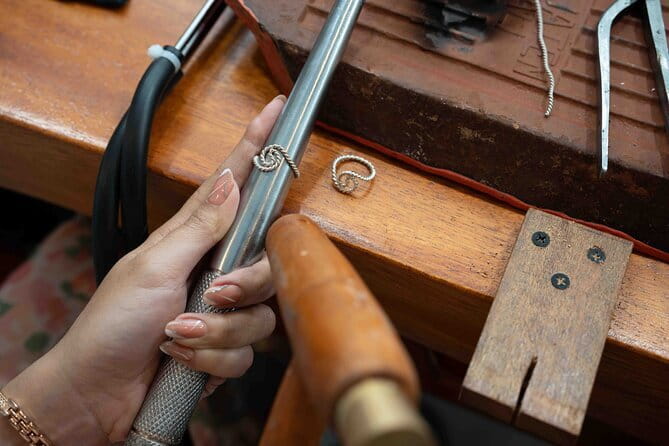
The meeting point is Garuda Silver Class on Jalan Toya Ning II in Ungasan, in the Kuta Selatan area of Badung. The activity begins and ends there, and no shuttle is included, so you need to arrange your own transport.
The location makes the class easy to pair with other south Bali sights. Balangan Beach, Melasti Beach, Pandawa Beach, Nyang-Nyang Beach, and Uluwatu Beach are all listed nearby. You can place the workshop between beach time and an evening cultural event, though you should allow enough travel time for Bali traffic.
Garuda Wisnu Kencana Culture Park is another nearby option. The Uluwatu Kecak Dance performance at sunset also makes a natural companion to the class. If you plan that combination, schedule the jewelry session early enough to reach the performance without rushing.
The wording around Ubud can be confusing. This class is at Ungasan near Uluwatu, not in central Ubud. If your holiday is based in Ubud, confirm the drive and transport plan before booking. The listed meeting point is the location that matters.
The venue is near public transportation, but the experience does not include a shuttle. A mobile ticket is provided, and booking confirmation arrives at the time of booking. These details are useful, but the biggest transport question remains your own route to Jalan Toya Ning II and back.
A private class with a personal pace

This is a private activity, so only your own group participates. That is a plus if you want to work without strangers watching or if different people in your group have different levels of confidence.
A private setting also makes it easier to ask for help. One person can spend more time on a ring size, while another works on shaping a bracelet. The session still has a limit of one piece per person, but the group format should feel more personal than a large class.
The private setup does not guarantee a long, formal lesson. The experience may last 1.5 hours for a simple design or close to three hours for a more involved one. If you want the full craft process, choose your design early and use the available time for finishing rather than spending too long deciding.
A snack, mineral water, and free Wi-Fi are included. These are small comforts, but they matter during a workshop that can last several hours. The practical supplies mean you can concentrate on the jewelry instead of arranging refreshments or equipment.
What the strongest praise gets right
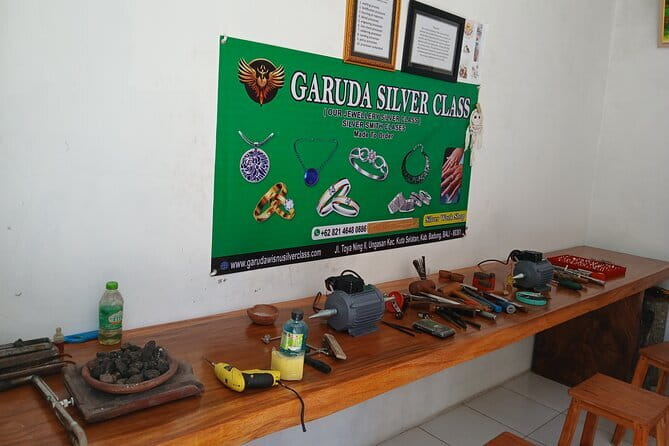
The best part of this activity is the human guidance. The silversmiths are repeatedly described as friendly and good teachers, and that matters more here than polished presentation. Beginners need someone patient enough to explain how to shape a piece and correct mistakes without taking over.
The finished rings and bracelets also receive strong praise. One family made rings, and a son made a second ring because he enjoyed the process so much. That suggests the class can work well for families, provided everyone understands the one-piece rule and any extra silver charges.
Another strong point is the lasting nature of the souvenir. A handmade ring or bracelet is easier to connect with than a generic item bought from a shop. You can remember the beach day, the sunset plans, or the moment the raw silver became wearable.
The main weakness is communication. Friendly instruction is helpful, but if explanations are difficult to understand, you may get less cultural and technical context than expected. This class is best for someone comfortable learning by watching and doing, rather than someone seeking a detailed English-language seminar.
Who should book this class
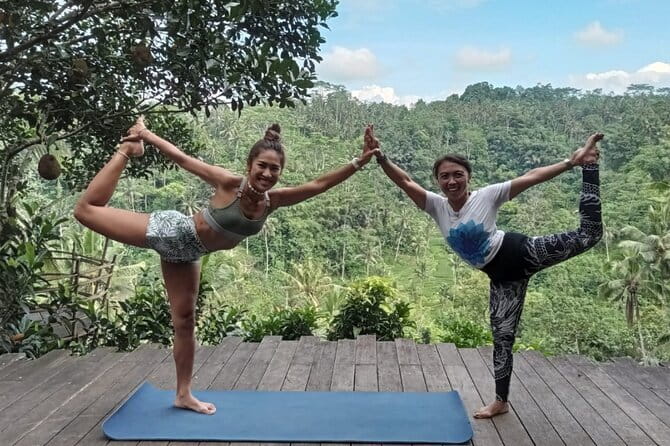
I would choose this experience if you want an activity with a clear result and a personal souvenir. It suits couples making matching or complementary pieces, families looking for a creative activity, and solo visitors who prefer a quiet craft session to another sightseeing stop.
It is also a smart choice for a south Bali itinerary. Put it near beach visits or Garuda Wisnu Kencana, then continue to Uluwatu for the sunset Kecak Dance. The class gives your day a change of pace between coastal views and cultural attractions.
You should think twice if you want to make several pieces, share silver with a partner, or avoid all possible extra charges. You should also be comfortable with the fact that the class may not provide detailed verbal explanations in English.
Wear something suitable for a hands-on workshop, though no special equipment is listed as necessary. Keep your design simple if you want to finish comfortably within the shorter time range. If you want a gemstone or a heavier item, ask about the extra cost before work begins.
Should you book Uluwatu Silver Class?
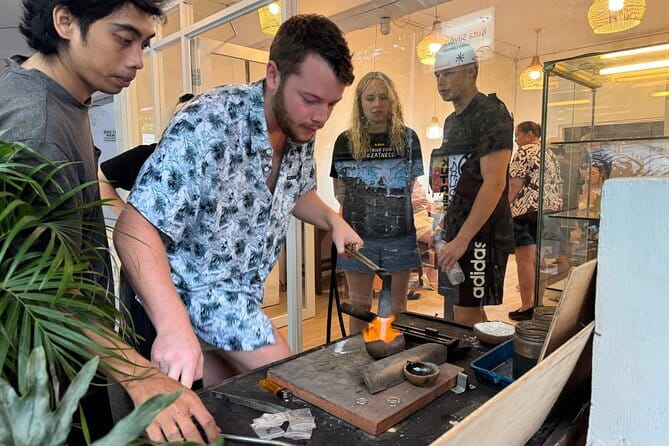
Book it if the idea of making one personal piece appeals to you more than simply shopping for jewelry. The $45.82 price includes the tools, silver allowance, instruction, refreshments, and the finished item, making it a fair creative experience for a south Bali day.
Skip it if you want a long cultural lecture, a large piece of jewelry, or multiple souvenirs from one booking. For everyone else, this is a practical, memorable way to bring home something connected to your own time in Bali. Free cancellation is available if you cancel at least 24 hours before the start time, which gives you some flexibility when planning around beach weather and sunset schedules.
FAQ
Where does the Uluwatu Silver Class take place?
The class starts and ends at Garuda Silver Class, Jalan Toya Ning II, Ungasan, Kuta Selatan, Badung, Bali 80361, Indonesia.
How long does the silver-making class last?
The class lasts from about 1.5 to 3 hours. The exact length depends on your design and how quickly the piece is completed.
How much silver can I use?
You can make one piece using from 1 to 5 grams of silver. If your finished jewelry weighs less than 5 grams, the usage is still counted as 5 grams.
Can I make more than one piece or share silver with someone else?
No. Each participant can make only one silver jewelry piece, and silver cannot be shared with another person.
Are gemstones included in the price?
No. Gemstones cost an additional IDR 100,000 to 500,000, depending on the type and size.
Is transportation included?
No shuttle is included. You need to arrange your own transport to and from the meeting point.
More Workshops in Kuta
- HOT PROMO. Beginner Surf Lessons in Bali
★ 5.0 · 193 reviews - Surf Lesson with a Personal Instructor at Kuta Beach
★ 4.5 · 192 reviews - The best surf lessons in Kuta
★ 5.0 · 144 reviews - Chef Bagus Balinese Indonesian Food Cooking Class
★ 5.0 · 89 reviews
Just added around Kuta
- Your Fragrance Selection: Bali Perfume Workshop and Creations★ 5.0 · 3 reviews
- Ubud Highlights Rice Terraces, Temple, Waterfall & Monkeys forest★ 5.0 · 23 reviews
- Bali Atv Riding through Cave and Waterfall★ 5.0 · 18 reviews
- Experience West Nusa Penida Private Tour★ 4.5 · 14 reviews
- Indonesia: Waterbom Bali Entry Ticket★ 4.5 · 6 reviews
- Nusa Penida 4 Spot Snorkeling with Manta and Island Tour★ 4.5 · 11 reviews
- Premium White Water Rafting and Jungle Buggies in Bali★ 4.0 · 15 reviews
- Waterbom Bali Tickets with Private Transfers★ 4.5 · 39 reviews
Kuta Tours, compared.

Nusa Penida day trip: boat, 4 snorkeling, Manta rays & Land tour
Read our review →
Bali Nusa Penida West Private All-Inclusive Tour
Read our review →
Mount Batur Sunrise Trekking Private Tour with Breakfast and Hotel Transfer
Read our review →
Individual Bali Day Trip with Private Driver and Free WiFi
Read our review →

Private Tour Mount Batur Sunrise Trekking and Natural Hot Spring
Read our review →

Private Tour Bali Beaches and Uluwatu Temple with Dinner
Read our review →Browse the lists this tour appears in