
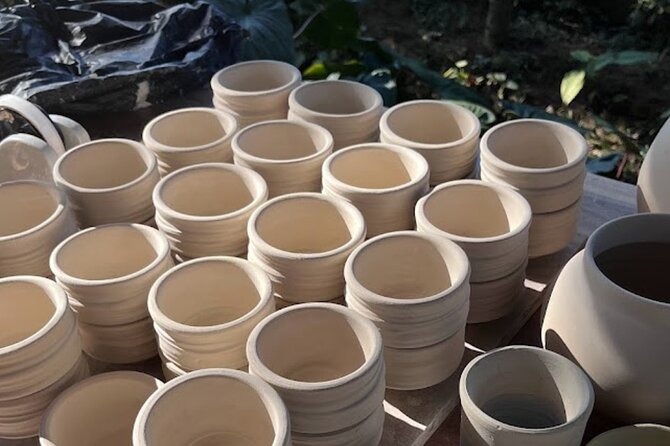
Reviewed · NUSA DUA TOURS
Ubud Pottery Ceramic Class in Bali
The best part of this Bali pottery class is that you do not simply watch a demonstration. You work with 2kg of clay and learn basic techniques from local artisans at Tana Ampo Pottery Studio. I like the practical format, especially the chance to make one piece by hand and another on the wheel. The small maximum of 10 people should also give you useful attention rather than a rushed production line.
I also like the setting. The studio is in a garden in Singapadu, outside central Ubud, so the class has a calmer feel than an activity in a busy shopping district. The main drawback is the location: it can take about 30 minutes or longer from central Ubud, depending on traffic, and transport is not included.
Key points
- Two pottery methods: You can learn both hand-building and wheel throwing during the session.
- 2kg of clay included: That gives you enough material to make more than one small piece.
- Local instruction: The mentors teach the basics step by step, making the class suitable for beginners.
- Garden studio near Singapadu: The class takes place at Tana Ampo Pottery Studio, outside central Ubud.
- Plan for four spare days: You need at least four days remaining in Bali if you want to take home finished work.
- Small group size: The class accepts a maximum of 10 people and lasts about three hours.
Working With 2kg of Clay in Singapadu
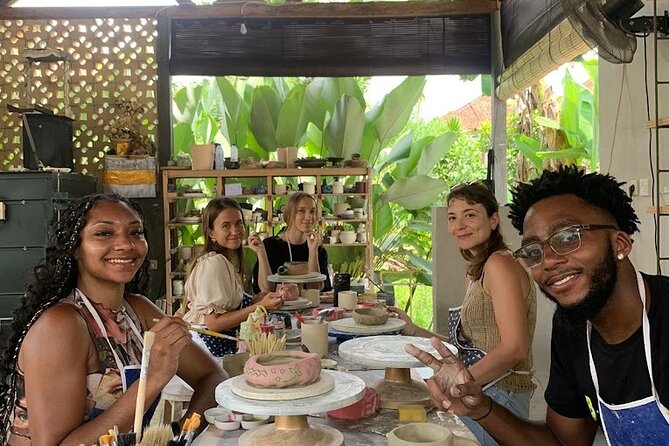
This is a hands-on introduction to Balinese pottery, not a quick craft demonstration. At Tana Ampo Pottery Studio, you receive 2kg of clay and work through the main stages of making a ceramic object.
The class covers hand-building and wheel throwing. Hand-building lets you shape clay directly with your hands, using basic forms and simple construction techniques. Wheel throwing is the more familiar pottery method, where you center clay on a spinning wheel and shape it as it turns.
The two methods give you a useful comparison. Hand-building is often easier for a first attempt because you control the clay directly. The wheel requires more coordination and patience. Your first try may wobble, collapse, or look pleasantly handmade rather than perfectly round. That is part of the lesson.
The available information indicates that you can make two pieces, one by hand and one on the wheel. The exact result depends on your pace, but 2kg of clay gives you a generous amount to work with during a three-hour class.
More hands-on workshops in Nusa Dua:
- Kekeb Cooking Class at Nusa Dua
★ 5.0 · 33 reviews - Ubud Cooking Class Bali with Balinese Chef
★ 5.0 · 1,609 reviews - Ubud Silver Class Jewelry making in bali
★ 5.0 · 978 reviews
Why the Local Setting Matters
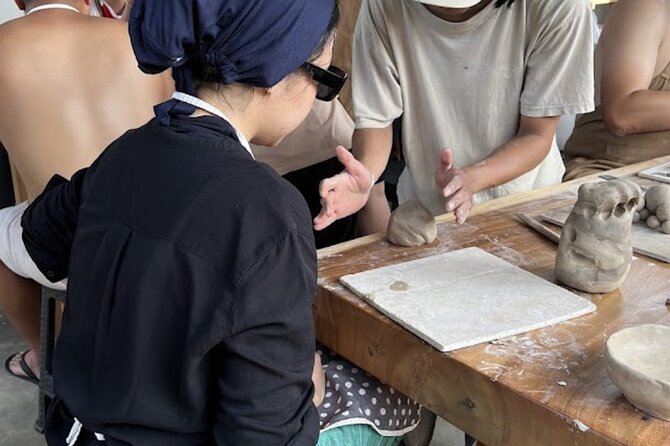
The studio is at C793+8PH, Central Singapadu, in Sukawati, Gianyar Regency. That address is not in the center of Ubud, despite the class being presented as an Ubud pottery activity.
This matters when you plan your day. From central Ubud, the drive may take around 30 minutes or longer when traffic is heavy. If you are staying in Nusa Dua or another part of Bali, you should allow even more time and arrange your own transport carefully.
The extra ride is not necessarily a problem. Singapadu gives the class a quieter setting, and the studio is described as being in a beautiful garden. I like that this feels more connected to a working craft environment than a polished attraction designed only for a quick photograph.
Still, do not book this as a central Ubud walking activity. You finish where you started, at the studio, and no transport or personal expenses are included. Treat the class as a planned outing rather than something to squeeze between two nearby Ubud sights.
A Three-Hour Lesson From Basic Clay to Finished Form
The class begins with instruction in the fundamentals. The mentors explain the material and show you how to handle it before you start shaping your own clay.
That early guidance is important. Pottery is not as simple as pressing clay into a shape. You need to control moisture, thickness, pressure, and balance. The class introduces these ideas in a practical way, without requiring previous experience.
You then work with hand-building techniques. This is the more direct part of the lesson, and it gives you room to create a personal form. You might make a small vessel or another simple object, depending on the instruction and your own pace. The class information does not promise a particular design, so you should expect freedom within the basic lesson rather than a fixed souvenir project.
The wheel portion adds a different challenge. You learn the basic motion of shaping clay while it spins. It can take a few tries to keep the form centered, so do not judge the quality of the experience by the shape of your first attempt.
One useful feature is the chance to try both methods. A class focused only on the wheel can leave beginners frustrated if the clay refuses to cooperate. Hand-building gives you another way to succeed, while wheel throwing shows you a more traditional studio technique.
The session lasts about three hours. That is long enough to receive instruction, practice, and work on your pieces without turning the activity into a full-day commitment.
What You Can Make With the Included Clay
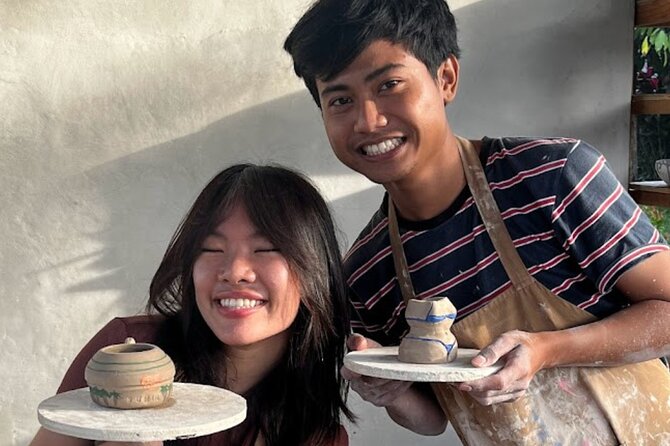
The 2kg clay allowance is one of the strongest practical features. You are not paying for a short demonstration and then watching someone else complete the work. You have enough material to experiment with both hand-building and wheel throwing.
The class has been described as producing two pieces, one by hand and one on the wheel. That makes the activity more satisfying because you leave with a record of two different techniques. The pieces may not look like professional ceramics, but they will reflect your own decisions and effort.
The process also helps you understand why pottery takes skill. Clay types differ, and not every soil can be used for ceramics. The class introduces this basic material knowledge along with techniques such as spinning, hand-building, and molding.
You should keep your expectations sensible. The price covers the guided class and 2kg of clay, but personal expenses are not included. The available details do not state that glazing, firing, or shipping is included, so ask the studio how your work will be finished and collected before you begin.
That question is especially important because of the timing.
A few more Nusa Dua half-days to weigh up
- ️ Bali Instagram Tour: The Most Famous Spots (Private & All-Inclusive)
★ 5.0 · 2,857 reviews - Nusa Penida Snorkeling Adventure (Private & All-Inclusive)
★ 5.0 · 1,197 reviews - Nusa Penida One Day Trip with All-inclusive
★ 4.5 · 743 reviews - Bali Instagram Tour – Lempuyang Bali Gate of Heaven
★ 5.0 · 149 reviews
Leave Four Days for Drying and Collection
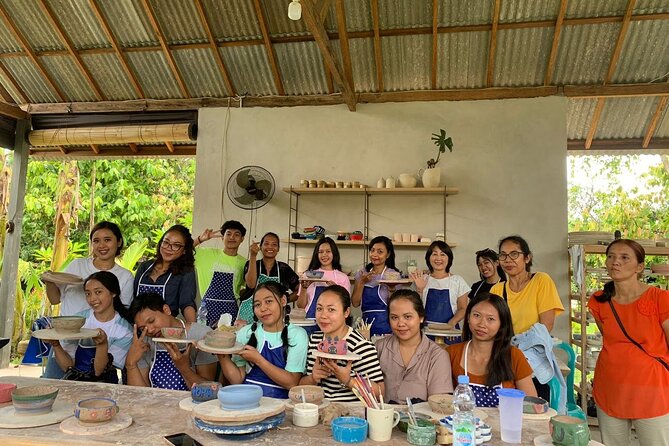
If you want to take your work home, you need at least four days remaining after the class. This is the most important planning tip for the whole activity.
Fresh pottery cannot simply be packed into your luggage at the end of a class. The pieces need time for the later stages of the ceramic process. The details provided do not specify the exact collection or delivery arrangement, so confirm what happens after the class and where you collect the pieces.
If your Bali schedule ends the next day, you may still enjoy the class, but you should not assume you can take the pottery with you. The four-day warning is clear: book early enough to leave room for the work to be ready.
This timing also explains why the class works best near the beginning or middle of your Bali stay. You can attend the lesson, continue with other plans, and return to collect the finished pieces if the studio confirms that arrangement.
The Mentors Keep Beginner Pottery Manageable
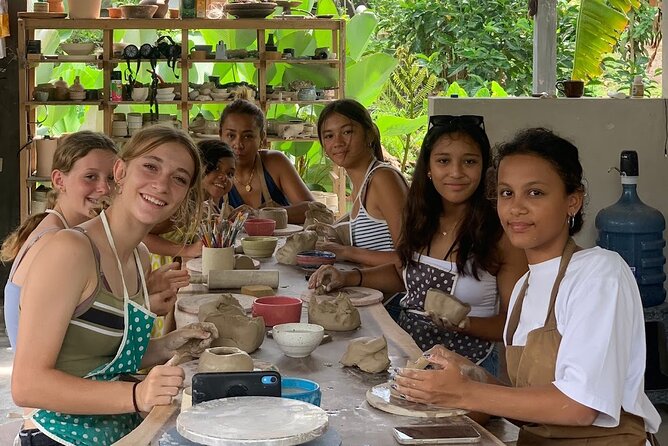
The class is designed for beginners, and the instruction starts with the basics. That is a good match for you if you have never touched a pottery wheel or worked with clay before.
The teaching style is described as professional, helpful, creative, and easy to understand. The class also has a maximum of 10 people, which is a useful limit for a messy, technical activity. A smaller group gives you a better chance to receive help when the clay starts leaning or sticking.
No individual mentor names are supplied, so I cannot tell you who will lead your particular session. The provider is Bali Tourist Information, while the activity itself takes place at Tana Ampo Pottery Studio.
The tone appears friendly and practical rather than formal. You learn by doing, which suits families, couples, and friends who want an activity with a clear result. It also has an educational side: you gain a basic sense of how clay becomes a ceramic object, rather than simply buying a finished item.
Is $31.31 Good Value?
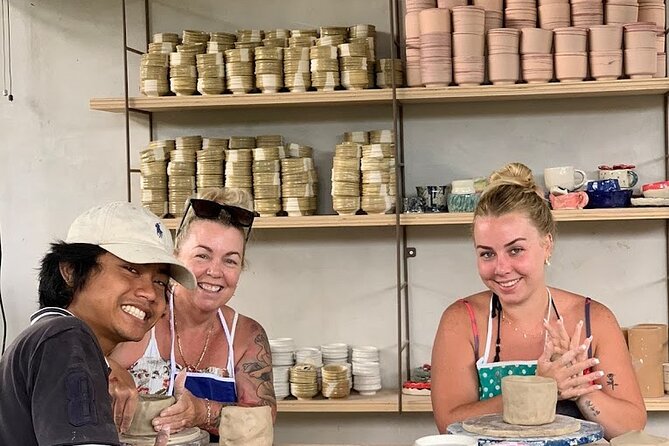
At $31.31 per person, I consider this a fair price for a three-hour class with 2kg of clay and instruction. The value is strongest if you want a creative activity and plan to use both techniques.
You are paying for time, materials, teaching, and access to a studio setting. You are not paying for transport, personal spending, or a guaranteed finished souvenir in your suitcase that same day.
Compared with a short craft demonstration, this offers more involvement. You shape the clay yourself and have the chance to produce two pieces. Compared with a serious pottery course, it is a brief introduction, not a full technical apprenticeship.
The price also makes sense for a family or small group looking for a break from sightseeing. It gives you something to do together, and the three-hour length is long enough to feel worthwhile without taking over the entire day.
The value drops if you are staying far from Singapadu and must arrange a costly private ride. It also drops if you cannot remain in Bali for the required four days and therefore cannot collect your work. Check those two points before booking.
Who Should Book This Class?
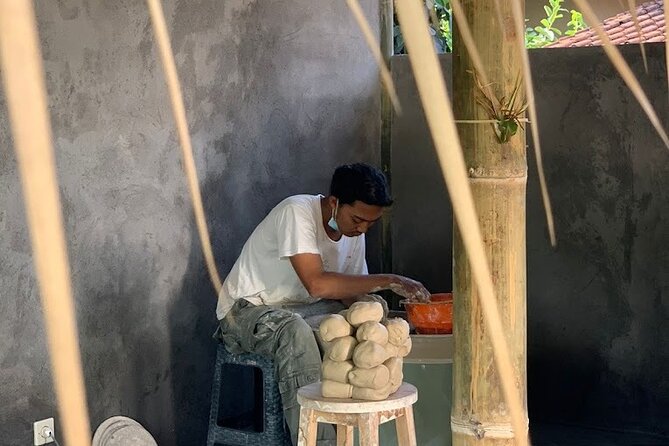
I would choose this class if you want a cultural activity that involves your hands and attention. It suits you especially well if you are tired of simply looking at temples, shops, and scenery but still want something connected to Balinese craft.
Beginners should feel comfortable joining. The instruction starts from the basics, and you do not need to arrive with pottery experience. Families can also find value here, although younger children may need close help with the clay and wheel.
It is a good choice for:
- Couples looking for a shared creative activity
- Friends who want something more active than sightseeing
- Families seeking an educational experience
- First-time potters who want to try both hand-building and wheel throwing
- Visitors with at least four spare days in Bali after the class
I would be more cautious if you want a polished, professional-looking ceramic piece. Your results will depend on your skill and the time available. This is a learning session first, and a souvenir opportunity second.
Planning the Drive From Nusa Dua or Central Ubud
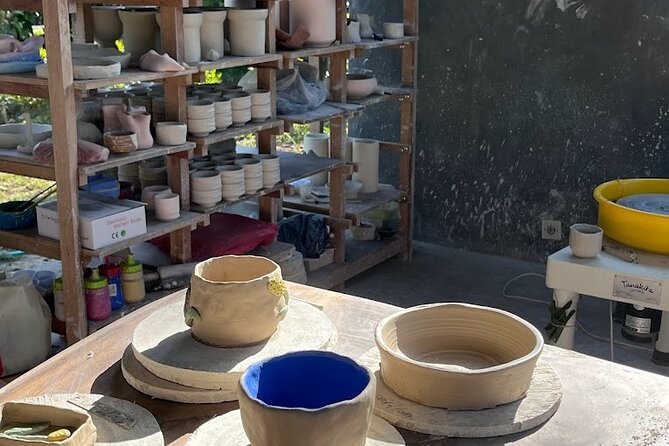
The activity summary gives Nusa Dua as the location, but the meeting point is Tana Ampo Pottery Studio in Central Singapadu, Sukawati, Gianyar. Use the studio address when planning your route.
From central Ubud, the drive is roughly 30 minutes in normal conditions, with longer travel possible in traffic. The class begins and ends at the meeting point, and no hotel pickup is listed.
You receive confirmation when you book, and the ticket is mobile, so you can keep the booking on your phone. The group maximum is 10 people, which may help keep the class personal, but the booking information does not promise a private session.
Free cancellation is available if you cancel at least 24 hours before the local start time. Changes or cancellations inside that window are not refunded, so check your schedule and transport plan before the deadline.
What I Like Most, and What Gives Me Pause
I like the balance between instruction and freedom. You learn several basic methods, then make your own pieces rather than copying one fixed model.
I also like the garden setting and the small group limit. The combination should make the three-hour session calmer and more personal than a large workshop.
The main concern is the information gap around finished pottery. You are told to leave four days if you want to take the work home, but the exact firing and collection process is not explained. Ask about this before you start, especially if your return flight is close.
The second concern is the address. Calling it an Ubud class may lead you to expect a central location, yet Singapadu is outside the town center. Plan your route and budget for transport.
Should You Book the Ubud Pottery Class?
Book it if you want to make something yourself, learn basic Balinese pottery methods, and have at least four days left in Bali. At $31.31, the class offers solid value through its three-hour duration, included clay, local instruction, and chance to try both hand-building and wheel throwing.
Skip it if you are looking for a quick central Ubud activity, do not have time for collection, or want guaranteed flawless ceramics. For everyone else, this is a useful way to add craft, patience, and a little friendly mess to a Bali itinerary.
FAQ
Where does the pottery class take place?
The meeting point is Tana Ampo Pottery Studio, C793+8PH, Central Singapadu, Sukawati, Gianyar Regency, Bali 80582, Indonesia.
How long does the pottery class last?
The class lasts approximately three hours.
How much does the experience cost?
The listed price is $31.31 per person.
How much clay is included?
The class includes 2kg of clay for each participant.
Can beginners join the class?
Yes. The class teaches the basics, and most people can participate. No previous pottery experience is stated as a requirement.
What pottery techniques will I learn?
The class includes hand-building, wheel throwing, and molding techniques.
Can I take my pottery home?
You need at least four remaining days if you want to take your work home. The exact collection or finishing process is not specified, so confirm the arrangements with the studio.
Can I cancel for a refund?
Yes. You can cancel at least 24 hours before the local start time for a full refund. Cancellations or changes made less than 24 hours before the start are not refunded or accepted.
Just added around Nusa Dua
- Bali Sea Walker Under Water Experience With Hotel Transfer★ 5.0 · 18 reviews
- Parasailing Adventure watersport all include★ 3.5 · 6 reviews
- Best of Bali Private Shore Excursions★ 4.0 · 7 reviews
- Bali Parasailing – Banana Boat – Jet Ski★ 4.0 · 13 reviews
- Bali Water Sports Adventure★ 4.5 · 38 reviews
- Bali Tour: Ubud Most Popular Place★ 5.0 · 3 reviews
- Bali Traditional Dance, Waterfall and Hindu temple with lunch★ 5.0 · 17 reviews
- Bali Sea Walker★ 5.0 · 6 reviews
Nusa Dua Tours, compared.

️ Bali Instagram Tour: The Most Famous Spots (Private & All-Inclusive)
Read our review →
Nusa Penida Snorkeling Adventure (Private & All-Inclusive)
Read our review →

Bali Instagram Tour – Lempuyang Bali Gate of Heaven
Read our review →
Bali Parasailing Adventure,Banana Boat,Jet Ski and Donut Boat with Transfers
Read our review →

Mount Batur Sunrise Trekking and Rice Terrace Adventure
Read our review →
Browse the lists this tour appears in