
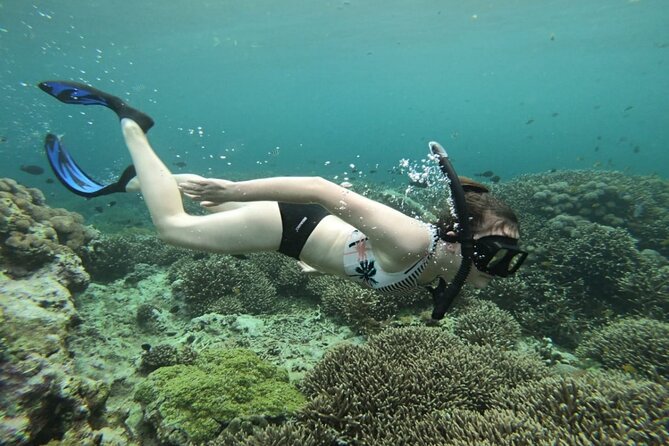
Reviewed · NUSA PENIDA TOURS
Snorkeling Trips with Manta Ray from Nusa Lembongan
Manta rays are the main event here, but the best part is the range of the trip. You visit three sites around Nusa Penida and Nusa Lembongan, with a real chance to see rays, turtles, colorful reef fish, and smaller creatures such as nudibranchs. I like the beginner-friendly safety setup, including lifejackets, flotation rings, and in-water help. I also like that towels, showers, lockers, and underwater photos are included.
The catch is the sea. Manta sites can be rough, crowded, and difficult for weak swimmers, and rays are wild animals, not scheduled performers. On some days, high swells make the manta stop unsafe, so you may finish the trip with three alternative snorkeling sites instead.
Key points before you book
- Three different snorkeling environments: Visit Manta Bay, Toya Pakeh Wall, and Mangrove Point rather than spending the whole trip at one reef.
- Manta rays are possible, not guaranteed: Conditions, swell, and the animals themselves determine what you see.
- Useful support for nervous swimmers: Lifejackets, life rings, rope when needed, and guides in the water help beginners and non-swimmers.
- A practical post-swim setup: Welcome drink, crackers, towels, showers, and lockers make changing after the boat trip easier.
- Underwater pictures are included: You receive photos and videos showing you in the water.
- Small enough to feel managed: The maximum group size is 20 people, though the snorkeling sites themselves can still be busy.
What the $23 price really covers
At about $23 per person, this is a low-cost way to see several of the most popular snorkeling areas around Nusa Lembongan and Nusa Penida. The price includes equipment, a guide, insurance, hotel pickup on Nusa Lembongan, a welcome drink, towels, showers, lockers, and underwater photos and videos.
That list matters. A cheaper boat trip can become less attractive once you add mask and fin rental, transport, changing facilities, and photo fees. Here, those practical pieces are bundled in. I especially value the shower and locker access because snorkeling trips often leave you wet, salty, and unsure where to put your belongings.
You should still read the price as a basic shared excursion, not a private boat charter. The group can reach 20 people, and the popular water sites may have many boats operating at once. If you want quiet water, long private stops, or a custom route, this is not the right product.
The trip lasts about three to four hours. Each listed stop is planned for roughly one hour, although sea conditions and the movement of the group can affect the timing. Pickup is offered from hotels on Nusa Lembongan. If you stay on Nusa Ceningan, you meet the operator at Yellow Bridge at 9:30 a.m. Pickup is not provided from Bali itself.
More snorkelling spots near Nusa Lembongan:
- Lembongan Snorkeling at Manta Bay, Crystal Bay and Mangrove
★ 5.0 · 56 reviews - From Lembongan: Snorkeling Day Trip to Nusa Lembongan & nusa Penida island
★ 4.5 · 10 reviews - Snorkeling Manta Ray in Nusa Lembongan
★ 3.5 · 7 reviews
Getting ready at Jungutbatu
The stated meeting point is Lagoon Bliss Captain Good on Jalan Raya Mangrove Point in Jungutbatu. The activity ends back at the meeting point, unless you have selected the available hotel pickup and drop-off service on Nusa Lembongan.
The operator contacts you by email or WhatsApp one day before the trip. Keep an eye on both. This is when you should confirm the pickup details, especially if your accommodation is on a smaller lane or away from the main road.
Bring comfortable clothing, footwear, sunscreen, a change of clothes, and money or a card for personal spending. A camera is welcome, though the operator also provides underwater photos and videos. I would still protect your phone carefully, since a choppy boat ride is no place for loose valuables.
Before setting out, you receive a trip briefing and meet the snorkeling guide. The equipment includes a mask, snorkel, fins, life vest, and life rings. Rope is available if needed. Non-swimmers can take part because guides provide safety equipment and in-water instruction, but that does not turn rough ocean conditions into calm swimming-pool water.
If you are nervous, say so before entering the water. The strongest safety impression from this experience is the active attention from the crew. Guides stay with the group, help people who are struggling, and can offer a flotation ring for anyone who needs a break.
First stop: Manta Point and the open sea
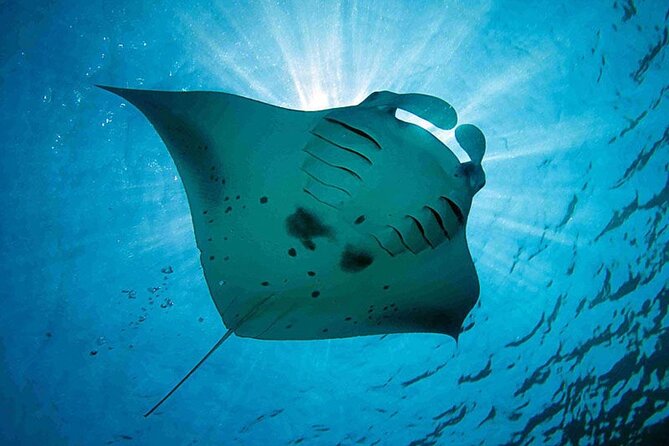
The first stop is described as Manta Point, with manta rays often appearing in the swell. The rays here may be smaller than those at the better-known Manta Point site, but there can be more of them. You might see fins breaking the surface between waves as the water moves over the site.
This stop is exciting because you are looking for animals in open water rather than simply inspecting a sheltered reef. It is also the most demanding part of the trip. Large swells can make entry, swimming, and keeping sight of the guide harder. The boat may move through considerable waves, and one account of the trip describes the sea as choppy enough to cause motion sickness.
I would not treat this stop as a gentle introduction for a first-time snorkeler. If you are a weak swimmer, use the life vest or flotation ring from the beginning, not only after you become tired. Stay close to the guide and follow instructions about where to enter and how long to remain in the water.
Manta sightings are never promised. The animals move through their natural habitat, and weather, visibility, currents, and swell can change the plan. If the sea is too rough, the boat may not travel to the manta area at all. That can be disappointing, but it is the correct safety decision.
Second stop: Toya Pakeh Wall near Nusa Penida
The second stop is Toya Pakeh Wall, also described as a snorkeling area around Toya Pakeh. This is the stop with the widest list of possible marine life. Depending on conditions, you might see turtles, Mola Mola, scorpion fish, stonefish, angelfish, clownfish, sea snakes, nudibranchs, batfish, and barracuda.
For you, the value of this site is that it gives the trip more than one target. If manta rays stay away, Toya Pakeh can still offer a satisfying hour of reef watching. Small creatures such as nudibranchs require slower looking, while turtles and larger fish are easier to spot when the water is clear.
The word might matters here. The wildlife list is a guide to what can be found in the area, not a guarantee for one morning. You also need to keep a respectful distance from fish, turtles, and other marine life. Let the guide point out species rather than chasing them for a closer photograph.
The site can be busy with boats and people in the water. That is common at popular snorkeling locations, but it affects the mood. You may need to pay close attention to the guide and your surroundings instead of swimming wherever you wish.
More Nusa Penida island days:
- Open Water Course in Nusa Lembongan – Get Certified on remote island (next Bali)
★ 5.0 · 864 reviews - 2 Days Discover Scuba Diving in Nusa Lembongan – Scuba Initiation
★ 5.0 · 506 reviews - Advanced Open Water Course – Advanced Certification in Lembongan (next to Bali)
★ 5.0 · 222 reviews - 5 Fun Dives in Nusa Lembongan (for certified divers) – Swim with a Mola Mola
★ 5.0 · 205 reviews
Third stop: Mangrove Point on Nusa Lembongan
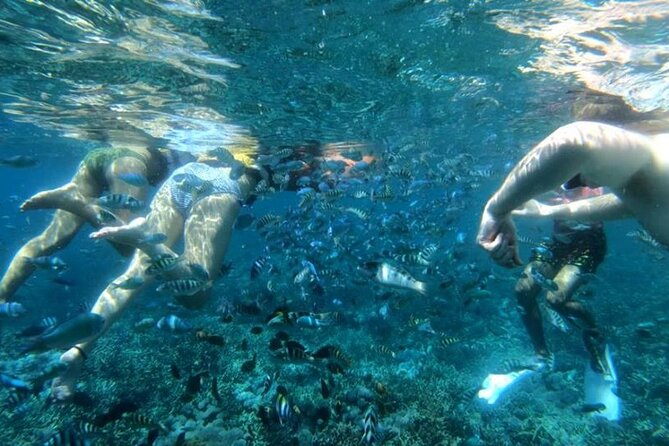
Mangrove Point offers a different kind of snorkeling stop. The area is associated with a broad mix of fish, including giant puffers, scorpion fish, angelfish, clownfish, boxfish, nudibranchs, moray eels, nurse sharks, and turtles.
This stop can be a good counterpoint to the open-water manta area. Rather than focusing only on one large animal, you can spend time looking over the reef and among the fish. Photographers may enjoy it because the possible subjects range from colorful reef fish to tiny nudibranchs.
Again, sightings depend on the day and the conditions. I would not book this trip solely for a nurse shark or turtle. Think of Mangrove Point as a useful third chance to see marine life after two more exposed sites.
The route also makes sense from a practical point of view. You get to visit water around both Nusa Penida and Nusa Lembongan, then return toward the Lembongan side. Three stops provide some flexibility if one site has poor visibility or rough water.
Safety for non-swimmers and first-timers
The operator specifically accepts non-swimmers, children, elderly participants, and people who need extra help. The safety kit includes lifejackets, life rings, and rope when required. Guides work in the water and help keep the group together.
This support is a major reason to consider the trip if you are not confident in the sea. A life vest lets you rest without trying to tread water, while a flotation ring gives you something solid to hold. The crew has also shown a willingness to wait for people who need more time in the water.
Still, I would keep expectations sensible. One piece of feedback describes the first stop as hectic, and another says the trip felt unsuitable for beginners when a lifejacket was not offered. That conflict is useful information. The equipment is listed as included, but you should clearly ask for it and wear it if you need it.
The first stop can also be rough enough to cause seasickness. If you know you react badly to waves, bring whatever approved remedy you normally use and tell the crew before departure. The trip requires good weather, but good weather does not always mean calm water.
Crowds, currents, and comfort on the boat
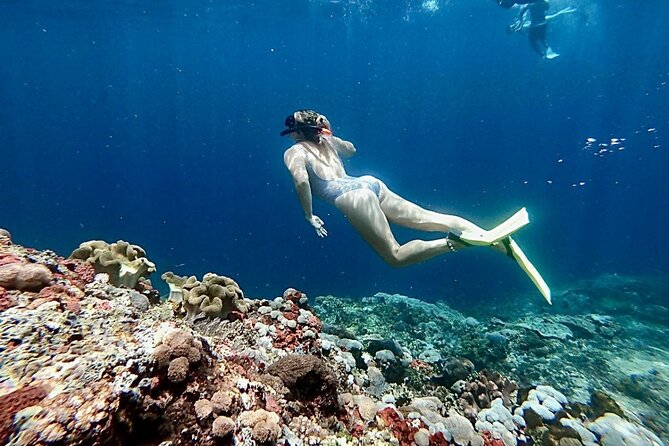
Popular manta areas attract many boats. At busy times, you may share the water with a large number of snorkelers. That can make it harder to see clearly and may create a less peaceful experience, especially near the manta site.
The crew’s job is particularly important in these conditions. Stay within the group, follow the guide’s route, and do not drift away for a better photograph. Boats can be difficult to see from the water, especially when the sea is moving.
The boat may charge through large swells while traveling between stops. Some people will enjoy the ride, while others may find it tiring. A change of clothes, towel, and access to a shower at the end make a real difference.
The welcome drink and crackers are small but useful touches before or after the water time. Do not mistake them for a full meal. Bring personal spending money if you need anything else.
Photos, equipment, and what you do not need to pack
You do not need to bring your own mask, snorkel, or fins. The operator supplies the basic snorkeling kit, along with a life vest and flotation rings. That keeps the trip simple for people arriving on the island with limited luggage.
Underwater photos and videos are included. This is valuable if you want a record of yourself in the water without risking your own phone. The pictures may also be your best proof of what you saw if the water is moving too much for you to focus on wildlife.
Bring sunscreen and a camera only if you want your own additional images. Use reef-conscious habits: avoid standing on coral, do not touch marine animals, and keep your fins under control around other swimmers.
At the end, showers, lockers, and towels let you rinse off and change. These facilities are often more useful than another minor sightseeing feature, particularly if you have a ferry, lunch reservation, or afternoon plans afterward.
Who should book this Nusa Lembongan trip
I would recommend it to you if you want a reasonably priced shared outing with several snorkeling locations and built-in safety help. It suits first-timers who are comfortable listening to a guide, families with children who can follow instructions, and stronger swimmers who want a chance to see manta rays without arranging a private boat.
It is also a good fit if you care about convenience. Hotel pickup on Nusa Lembongan, supplied equipment, changing facilities, and included photos reduce the number of details you need to organize.
I would be more cautious if you dislike rough water, get seasick easily, or need a quiet snorkeling setting. The manta site can be exposed and busy. A confirmed booking also cannot guarantee manta rays, turtles, or any other particular species.
The group limit of 20 people gives the crew a manageable number to supervise, but it does not mean the water will feel private. Conditions at the sites matter as much as the number on your boat.
Booking advice and cancellation terms
The experience is confirmed at booking. Free cancellation is available up to 24 hours before the start time for a full refund. Changes or cancellations made less than 24 hours before departure are not accepted for a refund.
The tour requires good weather. If the operator cancels because conditions are poor, you are offered another date or a full refund. That policy is important for a sea activity, since the safest and most enjoyable route can change quickly.
I would book with a little flexibility in your schedule rather than placing this outing immediately before an important ferry or flight. The trip is scheduled for three to four hours, but sea conditions and transfers can affect your day.
Should you book it?
Book this trip if you want good value, three marine stops, and visible support in the water. The crew’s attentive approach, flotation equipment, included photos, and practical facilities make it more useful than a bare-bones boat ride.
Book with realistic expectations. Manta rays are the headline, but they are not guaranteed. You may encounter turtles and colorful reef life instead, or visit alternate sites if the swell is too high. For most people who accept that nature sets the timetable, this is a worthwhile half-day from Nusa Lembongan.
FAQ
Are manta rays guaranteed on this snorkeling trip?
No. Manta rays live in their natural habitat, so sightings depend on environmental conditions and their presence at the site. If the sea is too rough, the boat may not travel to the manta area.
How long does the snorkeling experience last?
The activity lasts approximately three to four hours. The planned route includes three snorkeling stops, with about one hour assigned to each stop.
Which snorkeling sites does the trip visit?
The route includes Manta Bay or the Manta Point area, Toya Pakeh Wall near Nusa Penida, and Mangrove Point near Nusa Lembongan. The exact route can change if sea conditions make a site unsafe.
Is equipment provided?
Yes. The package includes a snorkeling mask, snorkel, fins, life vest, and life rings. Rope can also be provided if needed.
Can non-swimmers join?
Yes. Non-swimmers can participate because guides provide safety equipment and in-water instruction. Lifejackets and flotation support are available, though you should tell the crew clearly if you need them.
Is hotel pickup available?
Free pickup and drop-off are available from hotels on Nusa Lembongan. If you stay on Nusa Ceningan, you meet the operator at Yellow Bridge at 9:30 a.m. Pickup is not provided from Bali.
Just added around Nusa Lembongan
- Try Diving in Nusa Lembongan – Penida. For beginners (with 2 ocean dives)★ 5.0 · 20 reviews
- Snorkeling Manta Ray in Nusa Lembongan★ 3.5 · 7 reviews
- Sound Bath Healing Journey on the Island of Nusa Lembongan★ 4.5 · 12 reviews
- PADI Open water Course in Lembongan – Get certified & dive anywhere in the world★ 5.0 · 16 reviews
- Three Islands Snorkeling (3 Spots) Manta Rays – From Lembongan★ 4.5 · 5 reviews
- Nusa Penida Private Car Charter★ 5.0 · 4 reviews
- Lembongan and Ceningan Island Tour★ 4.5 · 17 reviews
- 1 Hour Mangrove Tour From Lembongan with Kayak, Paddle, or Boat★ 4.5 · 27 reviews
Nusa Penida Tours, compared.
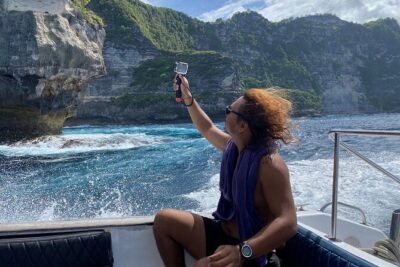
️Nusa Penida by Private Boat – Snorkeling 4 spots, Swim with Mantas + Land Tour
Read our review →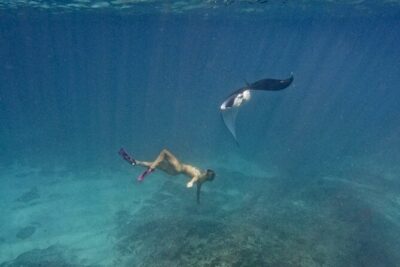
Nusa Penida day trip: boat, 4 snorkeling, Manta rays & Land tour
Read our review →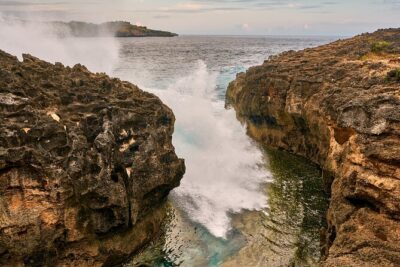
Bali Nusa Penida West Private All-Inclusive Tour
Read our review →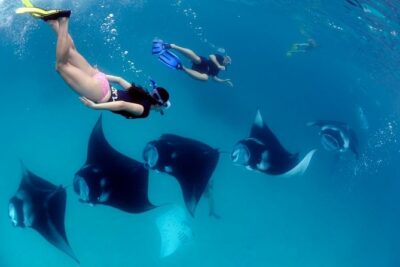
Nusa Penida Snorkeling Adventure (Private & All-Inclusive)
Read our review →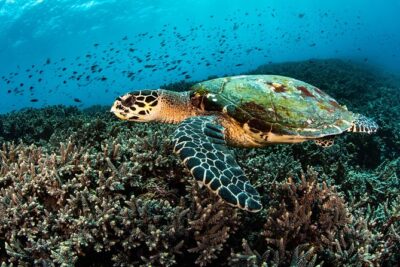
Open Water Course in Nusa Lembongan – Get Certified on remote island (next Bali)
Read our review →
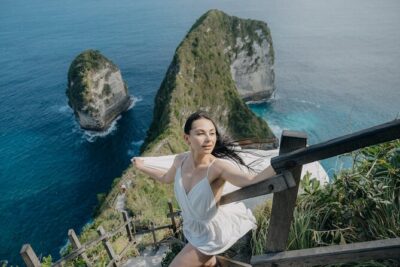
️ Nusa Penida Instagram Tour: The Most Famous Spots (Private All-Inclusive)
Read our review →Browse the lists this tour appears in