
Reviewed · UBUD TOURS
Private Traditional Bali Silver Jewelry Making Class
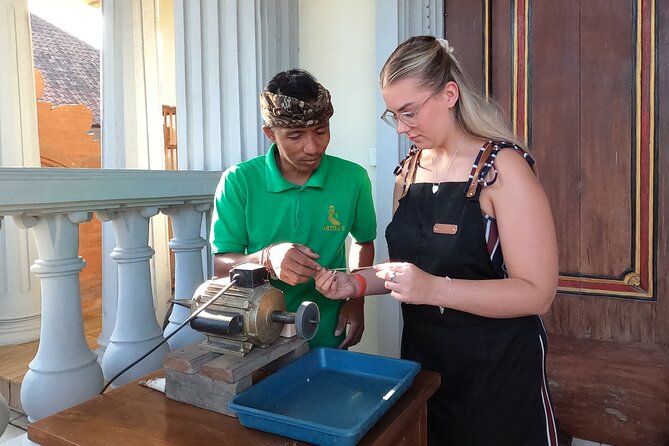
Making a ring or pendant from a plain piece of silver is the heart of this private Celuk jewelry class. You are not simply buying a souvenir in Bali. You are learning the basic work behind it, then taking home a piece shaped by your own hands. Instructors named Arik and Ari guide the class, and the family-run setting adds a personal touch.
I like two things right away: the one-group format, which gives you time to ask questions, and the chance to create your own design instead of choosing a finished trinket from a shop shelf. You also get a useful look at traditional Balinese silver work in Celuk, Bali’s best-known silver-making village.
The main point to check before booking is the silver allowance. The tour details mention both 5 grams and 10 grams, so confirm the included amount before you go. Extra silver is charged at IDR 50,000 per gram, and complex designs may require more material.
Key points before you book
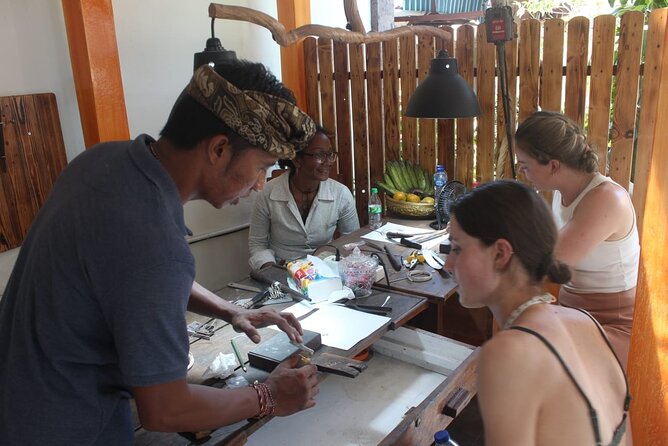
- A private three-hour class in Celuk: Your group works with a personal guide rather than joining a large workshop session.
- You make the piece yourself: Basic techniques include sawing, stamping, hammering, soldering, sanding, and polishing.
- Arik and Ari are named instructors: Their patient, step-by-step teaching is a major part of the experience.
- Design help is part of the class: Bring your own idea, or use samples and a catalogue at the workshop.
- The setting is family-run: Cold drinks, snacks, and a friendly home-workshop atmosphere are included.
- Hotel pickup costs extra: The meeting point is Rajata Silver Class in Celuk, with paid transfers available from several Bali resort areas.
Why Celuk is the right place for this class
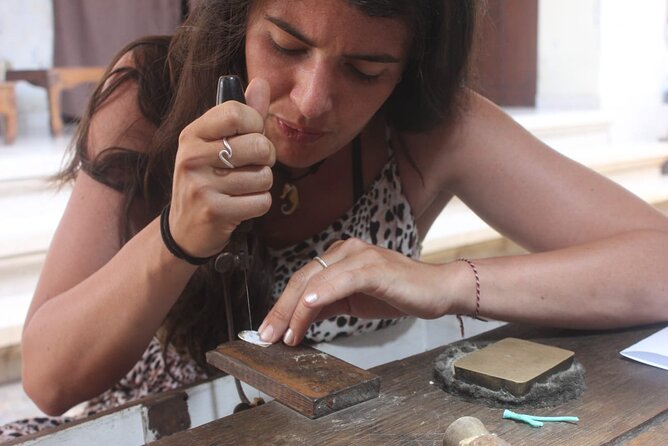
Celuk, in Sukawati, Gianyar Regency, is the center of Bali’s silver craft trade. It sits outside Ubud, so this class gives you a reason to see a working craft village rather than spending another afternoon moving between shops and cafés.
The setting matters. Silver jewelry is a familiar Bali souvenir, but the finished item can hide the skill behind it. In Celuk, you see the tools, the handwork, and the small corrections needed to turn a soft piece of silver into a wearable object.
I like this kind of activity because it connects the souvenir to a place. Your ring, pendant, or other piece is not just marked Bali because you bought it there. You made it there, with help from a local craft family.
The class is held at Rajata Silver Class. The exact workshop layout is not described in detail, so expect a practical work area rather than a polished tourist attraction. That is part of the appeal, though you should be ready for a hands-on craft session, not a museum tour.
More hands-on workshops in Ubud:
- Ubud Cooking Class Bali with Balinese Chef
★ 5.0 · 1,609 reviews - Ubud Silver Class Jewelry making in bali
★ 5.0 · 978 reviews - PRIVATE Authentic Balinese Cooking Class in Ubud at Putu’s Home
★ 5.0 · 644 reviews
Your first minutes at the family workshop
The class begins at the meeting point in Celuk. On arrival, the family welcomes you with a cold drink, and snacks and bottled water or a soft drink are included.
That small welcome helps set the tone. The experience is not presented as a formal demonstration where you sit quietly while an expert does everything. You meet your guide, discuss what you want to make, and begin working with the tools.
The class is private, meaning only your group takes part. That is especially useful if you are making jewelry for the first time. You can ask for a demonstration again, slow down when a technique feels awkward, or change your design without worrying about holding up a large group.
The instructors are described in the available material as Arik and Ari. Names can vary depending on the booking or the person assigned, so do not assume both will teach every session. The important point is that the class includes a personal silver guide rather than a self-guided workbench.
Choosing a design that will work
Before cutting metal, you discuss the design. You can bring an idea of your own, choose from samples around the workshop, or look through a catalogue of suggestions.
I strongly recommend arriving with two or three ideas rather than one complicated plan. A simple ring, initials, a small stamped pattern, or a modest pendant is more realistic for a three-hour class than an elaborate piece with many parts.
The guide helps explain what will work and what may be too difficult. This is one of the most valuable parts of the class. A design may look easy in a photograph but require several soldered sections, a great deal of shaping, or more silver than your allowance covers.
The class also gives you room to add a personal detail. One participant created a ring and etched initials into the silver. That kind of small mark can make the finished item feel much more personal than a standard Bali souvenir.
Keep in mind that your final design depends on your skill, the time available, and the amount of silver included. Your guide can help you simplify an idea without removing its character.
Sawing, stamping, and hammering the silver
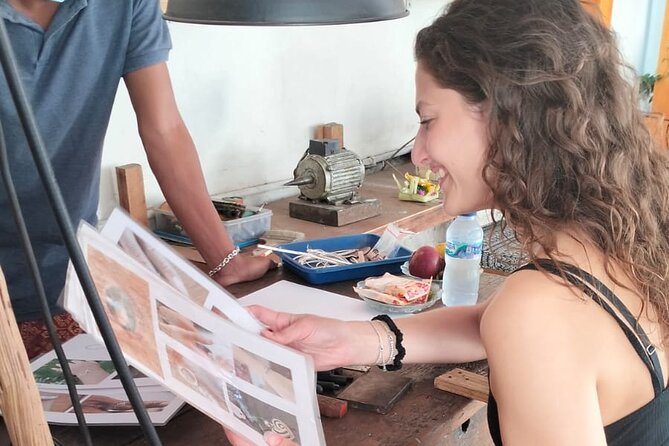
Once the design is agreed, you begin with basic tools and their uses. The class covers safety before you start, which is important because the work involves cutting, striking, heating, sanding, and polishing.
Sawing is one of the first stages you may practice. This lets you cut the silver into the shape needed for a ring, pendant, or other small piece. It sounds simple, but keeping a steady line takes care. The private format helps here because your tutor can adjust your technique before a small error becomes a major problem.
Stamping adds texture, letters, or patterns. If you want initials or a simple repeated mark, this is where the design begins to look like your own. Hammering then shapes the metal and may add further texture. The force has to be controlled, and your guide can show you how to work without flattening or damaging the piece.
These stages are satisfying because the silver changes quickly. At first, you are handling a plain strip or small sheet. After cutting and shaping, you start to see the outline of an actual object.
Do not expect to master every technique in one afternoon. The value is in learning enough to understand the process and complete a small design with guidance.
A few more Ubud half-days to weigh up
- All-Inclusive Ubud Private Tour
★ 5.0 · 14,344 reviews - Best of Ubud Full-Day Tour with Jungle Swing
★ 5.0 · 8,571 reviews - Ubud: Monkey Forest, Jungle Swing, Rice Terrace, and Water Temple
★ 5.0 · 7,160 reviews - Best of Ubud 1-Day Private Tour
★ 5.0 · 4,451 reviews
Soldering, sanding, and polishing
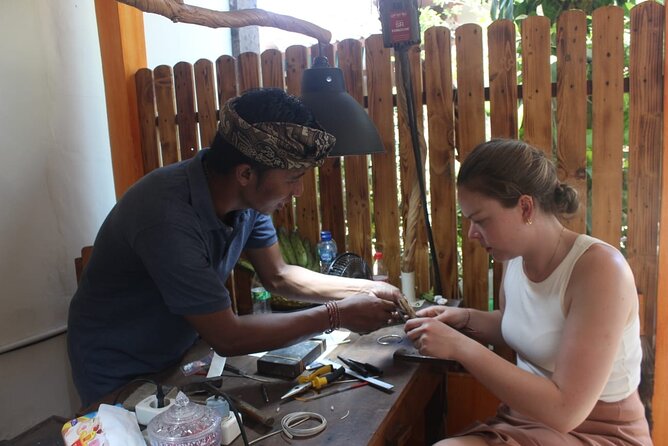
Soldering joins parts of the jewelry. It is one of the stages where expert supervision matters most, and the guide handles the technical explanation and safety instructions.
Your role is still active, but you should expect the instructor to step in when precision or heat is involved. This is not a test of independence. It is a guided workshop, and the aim is to leave with a sound piece of jewelry rather than a lesson in avoiding all assistance.
Sanding removes rough edges and helps smooth the surface. This stage can take longer than you expect, especially if you want a comfortable ring or a pendant with clean edges. It is less dramatic than hammering, but it has a direct effect on the final quality.
Polishing brings out the finished silver surface. This is often the point where the work feels complete. You can see how the earlier steps, including the imperfect ones, have come together.
The instructors are praised for being patient and clear throughout the process. That matters because jewelry making involves several unfamiliar tools, and rushing through the steps would take away from the experience.
What you take home after three hours
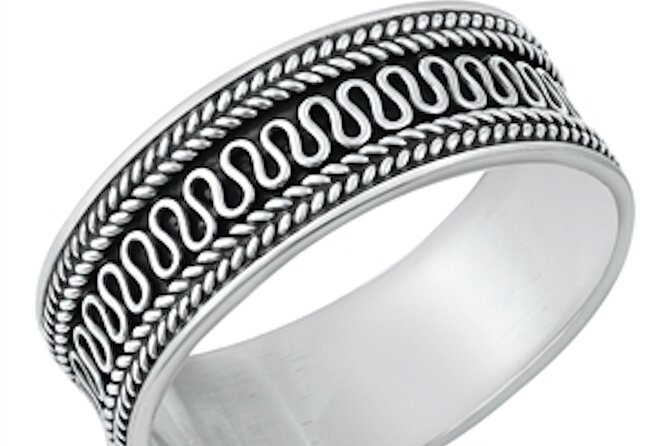
At the end of the class, you leave with a piece of silver jewelry made according to your design or a workshop template. The item is the strongest reason to choose this activity over a standard craft demonstration.
The included silver amount needs careful attention. One part of the tour information says 5 grams are included, while another description refers to 0.35 ounce, or 10 grams. The extra charge is listed as IDR 50,000 per gram. Ask the operator to confirm whether your booking includes 5 or 10 grams, and ask how much your intended design is likely to use.
This is especially important for families or couples hoping to make more than one item. Several people can take part in the private class, but the silver allowance may be shared or calculated per person according to the booking terms. Confirm that point before arrival.
A small ring or pendant should fit the spirit of the session. If you want a large, heavy piece, a detailed bracelet, or multiple finished items, budget for additional silver and allow for the extra charge.
The finished jewelry may show small signs of handmade work. That is not a flaw in the experience. It is part of the point. You are learning a craft under guidance, not ordering a factory-perfect item from a display case.
The value of the $48 price
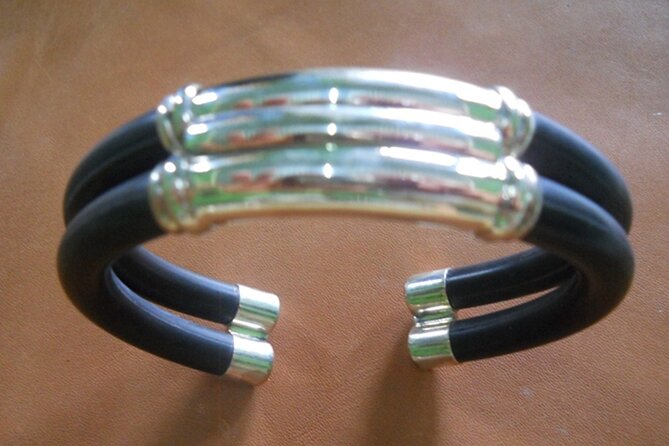
At $48 per person, this is not the cheapest souvenir activity in Ubud. The price includes a private class, tools, a guide, refreshments, and silver for your piece. It does not include hotel transportation or extra silver.
I think the value is strongest for people who want an activity rather than a purchase. A silver ring bought in Bali may cost less, depending on its design and weight, but it does not give you three hours of instruction or the memory of making it.
The private format also improves the value. You are paying for attention, not just materials. If you have never worked with metal before, a tutor can help you avoid mistakes and keep the project moving.
The price is less attractive if you only want a quick souvenir or have no interest in making the item yourself. The class takes about three hours, and much of that time is spent on careful handwork. You should enjoy the process, not just the final object.
Paid hotel transfers add to the total. The listed car charges are 450,000 IDR from Sanur or central Ubud, 500,000 IDR from Seminyak, Kuta, or Legian, 550,000 IDR from Canggu or Nusa Dua and Jimbaran, and 600,000 IDR from Uluwatu. Since the meeting point is in Celuk, compare the transfer fee with the cost of arranging your own transport.
Who will enjoy this Ubud-area activity
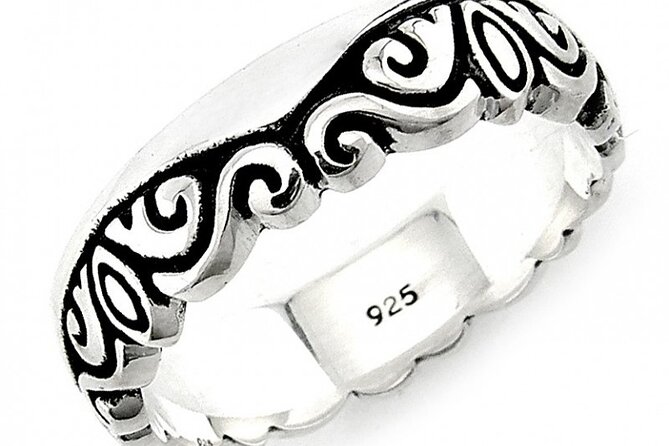
I would choose this class for couples, families, friends, and solo visitors who like making something tangible. It also suits anyone who wants a quieter alternative to a packed sightseeing day.
The private format works well for mixed skill levels. One person can focus on a simple design while another spends more time on stamping or shaping. The guide can give individual help without a large class moving at the same speed.
It is a good choice for a meaningful gift. You can make a ring with initials, a pendant based on a personal sketch, or a small item for someone at home. The design catalogue helps if you arrive without a clear plan.
Children and adults may be able to participate, but the provided information only says most people can take part. Because the class uses cutting tools, hammers, soldering, and polishing equipment, ask the operator about the suitability of your child’s age before booking.
This is not the best choice if you dislike detailed handwork, have limited patience, or want a guaranteed high-end jewelry finish. The guide can help you, but you still take part in the work.
Practical details that affect your day
The class lasts about three hours and ends back at the meeting point. It is a mobile-ticket experience, and confirmation is received at booking.
Plan your day around the workshop rather than treating it as a quick stop between distant sights. The location is in Celuk outside Ubud, and return hotel transfers are available for a charge. If you arrange your own transport, allow enough time to reach the meeting point and get back afterward.
Good weather is required. If poor weather causes cancellation, you are offered another date or a full refund. For your own cancellation, you need to cancel at least 24 hours before the local start time for a full refund. Changes made inside that period are not accepted, and payment is not refunded for a late cancellation.
Bring a design idea on your phone or paper. It does not need to be a professional drawing. A simple outline, initials, or a reference shape will give you a useful starting point.
Also, keep your expectations realistic. Three hours is enough to make a small piece with help, but not to become a trained silversmith. The best result comes from choosing a manageable design and listening closely during each step.
Should you book the Celuk silver class?
Book it if you want a personal Bali souvenir, enjoy practical activities, and like the idea of meeting a local family while learning a craft. The strongest features are the private instruction, the freedom to shape your own design, and the chance to use several traditional jewelry-making techniques rather than watching a short demonstration.
I would especially recommend it for a couple or small group that wants matching or connected pieces. Bring ideas, keep the design simple, and confirm the silver allowance before paying.
Skip it if you only want inexpensive jewelry, dislike workshop tasks, or have a tightly packed day. Also check the added transport cost if you are staying outside Ubud.
For the right person, this is more than a three-hour class. It is a chance to understand how a Bali silver souvenir comes together, then wear the result home.
FAQ
Where does the silver jewelry class take place?
The class begins and ends at Rajata Silver Class in Celuk, Sukawati, Gianyar Regency, Bali, outside Ubud.
How long does the class last?
The silver-making session lasts approximately three hours.
Is the class private?
Yes. Only your group participates in the activity, with a private silver class guide.
How much silver is included?
The provided details list both 5 grams and 10 grams, or 0.35 ounce. Confirm the exact allowance for your booking. Additional silver is charged at IDR 50,000 per gram.
Is hotel pickup included?
No. Hotel transfer is available for an additional charge. Listed prices vary by area, from 450,000 IDR for Sanur or central Ubud to 600,000 IDR for Uluwatu.
Can I cancel for a full refund?
Yes, if you cancel at least 24 hours before the experience start time. Cancellations within 24 hours are not refunded. If poor weather cancels the class, you can choose another date or receive a full refund.
Just added around Ubud
- Bali ATV Quad Bike and White Water Rafting – All Inclusive★ 5.0 · 7 reviews
- Bali ATV Ride with Jungle Swing and Rice Terrace Tour★ 5.0 · 50 reviews
- Combo Bali ATV Ride with Ayung River Rafting All Inclusive★ 4.5 · 12 reviews
- Bali ATV Ride Adventure★ 4.0 · 22 reviews
- Melukat – The Purification Ceremony at Tirta Empul Temple★ 5.0 · 6 reviews
- Bali ATV Quad Bike with Ubud Day Tour All Inclusive★ 5.0 · 19 reviews
- Bali ATV Ride Adventure and Bali Swing Packages – All Inclusive★ 5.0 · 14 reviews
- Ubud: ATV Quad Bike, Jungle, Waterfall, Tunnel and Rafting Trip★ 5.0 · 5 reviews
Ubud Tours, compared.



Monkey Forest, Jungle Swing, Rice Terrace, and Water Temple
Read our review →


Uluwatu Sunset, Kecak Dance, and Dinner Jimbaran Beach
Read our review →
Tanah Lot and North Bali Tour: Scenic Journey
Read our review →
Body Massage Experience in Ubud Traditional Spa
Read our review →Browse the lists this tour appears in