
Reviewed · UBUD TOURS
Kintamani Cultural and Nature Cycling Tour ( Manual Bike )
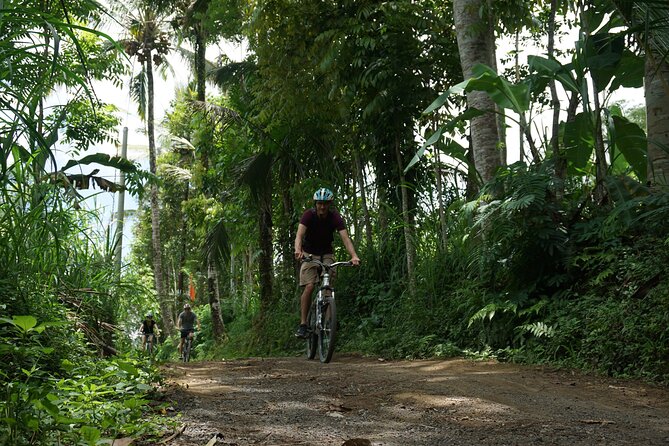
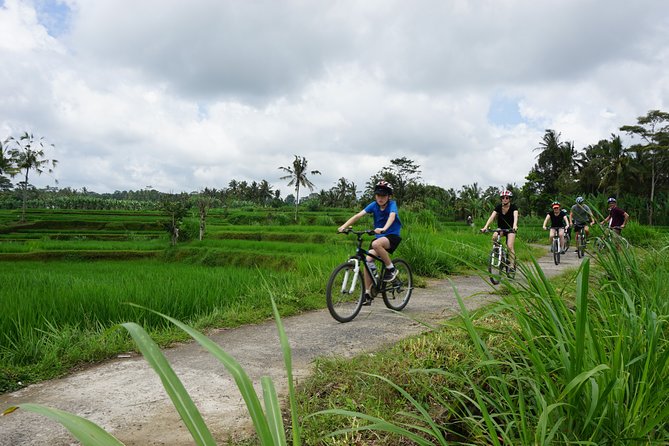
The best part of this Kintamani cycling tour is the route itself. You start high in the cool countryside and roll downhill through villages, forest paths, rice fields, and narrow lanes that cars cannot reach. This is Bali at a human pace, with time to notice shrines, irrigation channels, woodwork, stone carving, and daily village life.
I like the gentle ride, which is reported to be about 95 percent downhill, and I like the cultural stops that give the scenery a purpose. Guides such as Gede, Ben, Wayan, Yoga, Madi, Amin, and Gudday have been praised for clear directions, local insight, and careful support.
The main caution is that this remains a real bike ride, not a paved sightseeing route. Some paths are narrow or bumpy, and one booking included a bike with slipping gears and a fall. Pickup and drop-off service can also run late, so leave some patience in your morning.
Key points to know before booking
- Mostly downhill from Kintamani: The ride is designed as an easy descent, though narrow and uneven sections still require confidence on a bicycle.
- Village life, not just pretty views: You visit a local home, see rice-field irrigation, and pass small industries such as stone making and woodworking.
- Two guides may ride with your group: A lead guide and a rear guide can help with traffic, directions, and anyone who needs extra time.
- Food is part of the day: Coffee, a pancake or smoothie bowl, snacks, and lunch at Greenkubu are included.
- Several guide names receive special praise: Gede, Ben, Wayan, Yoga, Madi, Amin, and Gudday are among the guides noted for friendliness and care.
- Bring sun and bike protection: Walking or sports shoes, sunscreen, bug spray, and a small camera backpack are sensible choices.
Why the downhill route works so well
Bali can be tiring when every outing means sitting in traffic. This tour solves part of that problem by carrying you from Ubud to the higher Kintamani area, then putting you on a bike for the long descent toward Payangan.
The route is not built around speed. It is built around changing scenery. You begin near Abuan village in Kintamani, then pass through settlements, back lanes, forest, rice terraces, and open farmland. The reported downhill ratio makes the ride approachable for anyone who can handle a bicycle, but do not confuse easy with effortless. Braking, steering, and staying alert on uneven ground still matter.
I especially like the chance to leave the main road. One guide, Gede, has been praised for offering short detours into quieter countryside, and that is exactly where this kind of outing earns its place in a Bali itinerary. You get a look at ordinary homes and working fields rather than only the polished stops arranged for sightseeing.
The guides generally use a front and rear position. That setup matters on a group ride. The person in front can point out turns and hazards, while the guide behind helps prevent anyone from being left behind. Families with children have also received extra attention, although the minimum child age is listed as six.
More bike days around Ubud:
- Electric Cycling Tour of Ubud with Free Hotel Transfer and Lunch
★ 5.0 · 1,397 reviews - Ubud: Downhill Cycling with Volcano, Rice Terraces and Meal
★ 5.0 · 536 reviews - Ubud eBikes Tour to Tegallalang Rice Terrace
★ 5.0 · 507 reviews
Morning pickup and the first coffee stop
The day begins with hotel pickup in Ubud and a drive toward the plantation area. The experience lasts about seven to nine hours, so this is a full morning-to-afternoon outing rather than a quick two-hour spin.
Your first stop is Greenbike Adventure for coffee and a light breakfast. The listed options include a pancake or smoothie bowl, with a gluten-free request available. This is a useful start because you are not asked to begin a long activity on an empty stomach.
The plantation stop also gives you time to settle in before riding. Have your sunscreen on before the bike leaves, and keep your phone or camera in a small backpack that will not swing around while you steer. Bug spray is also a smart addition, especially around forest and rice-field sections.
Pickup is included from Ubud, but timing is one area where I would keep expectations flexible. A late driver caused a serious morning delay for one rider, and another person did not get a hotel drop-off because of traffic. Those problems do not appear to define the whole operation, but they are good reasons not to schedule a flight, spa appointment, or nonrefundable dinner immediately after the tour.
Tegallalang rice terraces as a quick preview
The stop at Tegallalang lasts about 15 minutes and is mainly for photographs. It is a brief look at one of Bali’s best-known rice terrace areas before the longer ride begins.
Do not expect a full walk through the terraces here. The value is the quick viewpoint and the chance to see the stepped fields before you move into quieter areas. If your main reason for booking is extensive time at Tegallalang, this tour may feel too short at this stop.
The real rice-field experience comes later, when you see how fields work rather than simply how they look in a photograph.
Starting the ride in Abuan, Kintamani
The cycling begins in Abuan village. Starting in Kintamani gives the ride its natural advantage: you are high enough to spend most of the route descending toward Payangan.
Your guide will explain how to manage the route and point out hazards. The ride is described as easy by several participants, but you still need to feel comfortable on a manual bicycle. You may encounter narrow roads, bumps, and village paths where confidence matters more than fitness.
This is also the point where bike condition matters. Most reports describe the bicycles as being in good condition, but one bicycle had gears that slipped and jammed, leading to a fall. Before setting off, test the brakes and gears and tell the guide at once if something feels wrong. That is a simple step, but it can prevent a small equipment issue from becoming the bad memory of the day.
A few more Ubud half-days to weigh up
- All-Inclusive Ubud Private Tour
★ 5.0 · 14,344 reviews - Best of Ubud Full-Day Tour with Jungle Swing
★ 5.0 · 8,571 reviews - Ubud: Monkey Forest, Jungle Swing, Rice Terrace, and Water Temple
★ 5.0 · 7,160 reviews - Best of Ubud 1-Day Private Tour
★ 5.0 · 4,451 reviews
A local home in Abuan village
The first cultural stop takes you to a local person’s home for about 45 minutes. This is one of the strongest parts of the experience because it moves beyond scenery and into the structure of daily Balinese life.
Your guide can explain how religion fits into home life, how families use shared spaces, and how village customs connect with the surrounding fields. The tour also introduces traditional foods and home industries, including stone making and woodworking.
The stop works best if you ask questions. Guides such as Ben have been praised for enjoying conversations about Balinese culture and personal experience. You are not merely looking at a house from the outside. You have a chance to understand why the villages, shrines, work areas, and fields are arranged as they are.
Keep in mind that the exact home and presentation can vary with the day’s group and guide. The listed time is 45 minutes, which is enough for a meaningful visit but not a formal cultural workshop.
Taro village, coffee, and Gunung Raung Temple
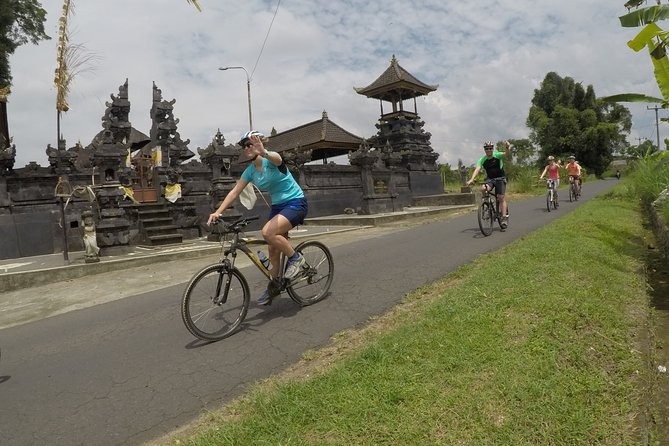
The ride continues toward Taro, where you stop for another coffee break and visit Gunung Raung Temple. The temple is described as one of the most unique in Bali, giving this section a stronger cultural focus than a simple refreshment stop.
A temple visit requires respectful behavior. Dress practically and follow your guide’s instructions about where to walk and what you may photograph. The supplied information does not specify a dress code, so modest clothing is the safest choice.
Taro is also a useful midpoint. By now, you have seen the ride shift from highland countryside toward village and rice-field terrain. The coffee break gives your legs a rest without turning the day into a long stop at a commercial attraction.
Bresela rice fields and the water that makes them work
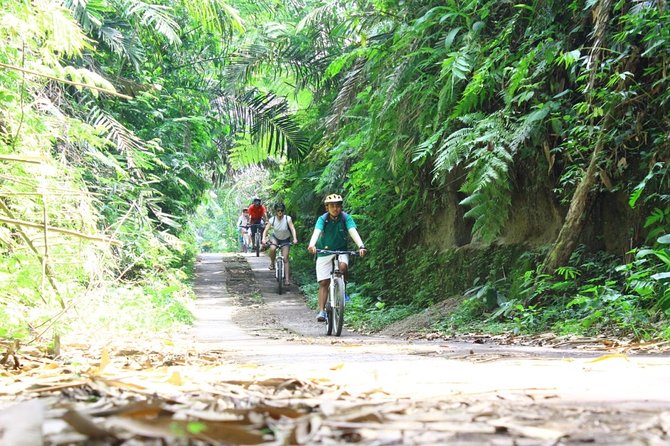
At Bresela, you stop for about 45 minutes to see the irrigation system serving the rice fields. This is a particularly valuable stop because Bali’s paddies are not simply decorative green steps. They depend on shared water management and careful coordination between farming communities.
Your guide can connect the channels and field patterns to village life. The stop gives you a better way to read the countryside for the rest of the ride. Instead of seeing only terraces, you begin to notice the water routes, field boundaries, paths, and work areas that keep the system running.
The ground near rice fields can be uneven or damp. Sports shoes with a good grip are more useful than sandals. You will want footwear that works for both cycling and short walks.
Finishing at Hyang Api Temple in Payangan
The cycling section finishes at Hyang Api Temple in Payangan after roughly 30 minutes at the final point. This gives the ride a clear endpoint instead of leaving you to guess where the cycling ends.
By Payangan, the route has covered the variety that makes this outing worthwhile: village lanes, forest, rice paddies, temples, and local homes. You are not pedaling around one single attraction. You are moving through a connected rural area and seeing how the parts fit together.
The finishing point also means you should not plan to return independently unless the operator has confirmed it. Round-trip transport is offered, and the tour continues to lunch before the return to Ubud. One person had trouble getting a hotel drop-off because of traffic, so confirm the return arrangement when you meet the driver.
Lunch at Greenkubu Restaurant and Swing
Lunch is served at Greenkubu Cafe, with about an hour set aside. The meal is included, along with the earlier coffee and snacks, which strengthens the value of the $33 price.
The restaurant also has a swing, though the supplied details do not say that a swing ride is included in the price. Treat it as part of the setting rather than an automatic extra activity. If you want to use it, ask about the cost and availability before paying.
Several people have specifically enjoyed the breakfast and lunch, and that matters on a full-day ride. You are getting transport, a bicycle outing, cultural stops, drinks, snacks, and a meal in one package. At $33 per person, the price is low for a seven-to-nine-hour experience, provided your main goal is countryside access rather than a private or highly polished tour.
How demanding is the manual bike ride?
The tour is intended for adults over 12 and children from six to 12. Most people can participate, according to the supplied activity information, but you should be honest about your balance and comfort on a bicycle.
The downhill route reduces the need for strong climbing fitness. It does not remove the need to steer and brake. Narrow tracks, occasional potholes, and uneven village paths require attention, and the Spanish-language feedback specifically points out that some sections need confidence on a bike.
The best preparation is simple:
- Wear walking or sports shoes.
- Apply sunscreen before pickup and bring more for later.
- Pack bug spray.
- Carry a small backpack for a camera or phone.
- Check the bike’s gears and brakes before departure.
- Tell the guide immediately if you are uncomfortable with the pace or route.
Two guides are often used, one at the front and one at the back. That is reassuring for a mixed-ability group, and it helped guides give extra care to families with children. Still, a group can be as large as 50 people, so the smoothest experience may come when the day happens to have a smaller group.
The guides make the cultural stops work
The ride depends heavily on the guide. A pleasant route can feel routine if nobody explains what you are seeing, while a simple village lane becomes interesting when someone connects it to farming, religion, food, and work.
The guide names most often associated with strong service include Gede, Ben, Wayan, Yoga, Madi, Amin, and Gudday. Their praised strengths are practical: clear directions, attention to safety, answers to questions, and a willingness to adjust to the group.
The strongest arrangement is a lead guide plus a sweep guide. You can ride with more confidence when somebody is watching the front and rear of the group. Guides have also taken extra care with children and helped riders who needed a slower pace.
There is one important service warning. One person reported being told off for booking through Viator and said the company did not answer an email. That is not acceptable customer care. Book through the channel that gives you the clearest confirmation and keep the provider’s contact information handy.
Value, comfort, and small risks
For $33, this is a strong-value day if you want to combine transport, food, scenery, and local contact. The included coffee, pancake or smoothie bowl, snacks, lunch, and round-trip Ubud transport remove several extra costs. You also avoid arranging your own route from Ubud to Kintamani and finding a way back from Payangan.
The trade-off is polish. Pickup may not run perfectly on time. Traffic can affect the return. A bicycle may need a quick inspection, and vehicle arrangements may not feel fully controlled every day. One person also reported being placed in a car with a clearly sick family and later becoming ill, so if shared transport is a concern, ask about seating and vehicle arrangements beforehand.
The activity has a 4.9 rating from 257 reviews and a 99 percent recommendation figure, but I would still use those numbers as a guide rather than a guarantee. Most of the value comes from the route and the guides, while the main risks involve equipment checks, transport timing, and communication.
Free cancellation is available until 24 hours before the start time for a full refund. Changes or cancellations inside that window are not accepted for a refund. Payment by cash or bank transfer has no charge, while Visa and Mastercard add a three percent bank fee.
Who should book this ride?
I would choose this tour if you want to see a quieter, working side of Bali without committing to a hard cycling challenge. It suits couples, families with bike-ready children, and anyone who prefers rice fields and village lanes to a day spent moving between crowded sights.
It is also a good fit if you want cultural explanation built into the route. The local home, Gunung Raung Temple, irrigation stop, and home-industry observations provide more substance than a ride that only pauses for photographs.
I would think twice if you dislike uneven paths, need strict timing, or expect a premium private operation. The route is easy in terms of climbing, but not perfectly smooth. If you have a flight or fixed appointment later, build in a generous buffer for Ubud traffic and the return transfer.
Should you book the Kintamani cycling tour?
Book it if the idea of rolling downhill through Bali’s countryside, stopping at a local home, and learning how rice fields and religious life shape villages sounds better than another crowded attraction. The combination of a mostly downhill route, attentive guides, included meals, and transport gives this tour unusually good value at $33.
Before you leave, inspect the bike, confirm the pickup and return plan, and tell the guide about any food, fitness, or child-safety needs. With those basics covered, this is a practical way to see rural Bali at ground level, with enough cultural detail to make the scenery mean something.
FAQ
Where does the cycling begin?
The bike ride begins in Abuan village in Kintamani, after pickup from your Ubud hotel and the initial coffee stop.
How long does the full activity last?
The experience lasts approximately seven to nine hours.
Is the cycling route mostly downhill?
Yes. The route is described as about 95 percent downhill, though some narrow or uneven sections still require careful steering and braking.
What food and drinks are included?
The tour includes coffee, a pancake or smoothie bowl at the first stop, snacks, and lunch at Greenkubu Cafe.
Is hotel pickup provided?
Yes. Round-trip transport from Ubud is offered, though traffic or driver delays can affect the schedule.
What should I bring?
Walking or sports shoes, sunscreen, bug spray, and a small backpack for a camera or phone are recommended.
Can children join the tour?
Adults over 12 are listed as adults, and children between six and 12 can participate. The activity information says most people can take part, while the route still requires basic confidence on a bicycle.
Just added around Ubud
- Bali ATV Quad Bike and White Water Rafting – All Inclusive★ 5.0 · 7 reviews
- Bali ATV Ride with Jungle Swing and Rice Terrace Tour★ 5.0 · 50 reviews
- Combo Bali ATV Ride with Ayung River Rafting All Inclusive★ 4.5 · 12 reviews
- Bali ATV Ride Adventure★ 4.0 · 22 reviews
- Bali ATV Ride Adventure and Bali Swing Packages – All Inclusive★ 5.0 · 14 reviews
- Melukat – The Purification Ceremony at Tirta Empul Temple★ 5.0 · 6 reviews
- Bali ATV Quad Bike with Ubud Day Tour All Inclusive★ 5.0 · 19 reviews
- Bali ATV Combined with Mumbul Lake And Sangeh Monkey Forest★ 5.0 · 34 reviews
Ubud Tours, compared.
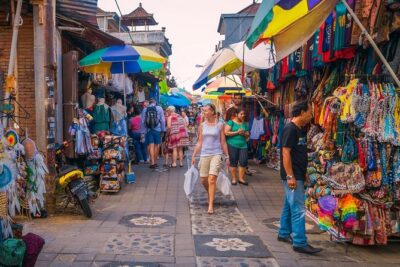
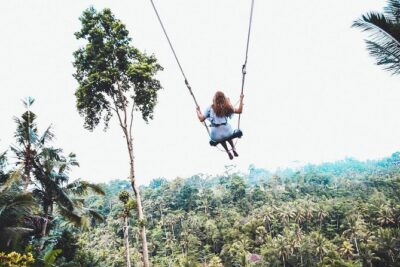
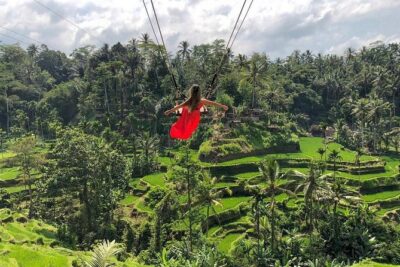
Monkey Forest, Jungle Swing, Rice Terrace, and Water Temple
Read our review →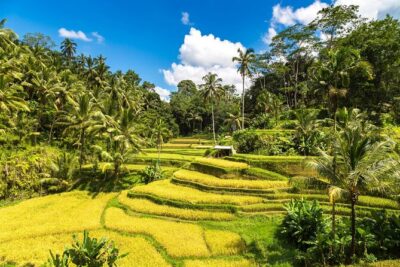


Uluwatu Sunset, Kecak Dance, and Dinner Jimbaran Beach
Read our review →
Tanah Lot and North Bali Tour: Scenic Journey
Read our review →
Body Massage Experience in Ubud Traditional Spa
Read our review →Browse the lists this tour appears in