
Reviewed · YOGYAKARTA TOURS
Batik Master Class with Full Process
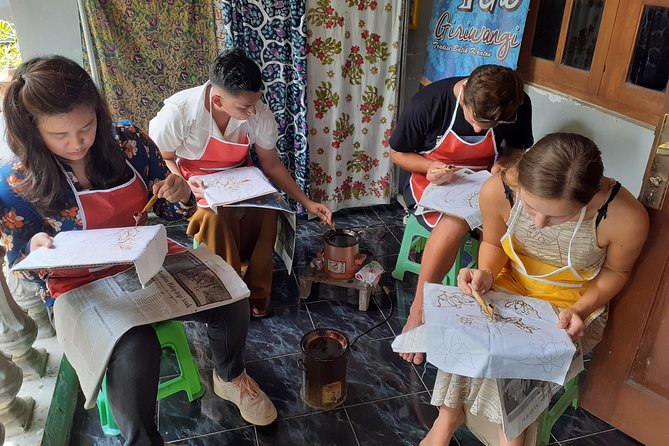
Batik becomes much more than a souvenir here. You trace a pattern, heat wax, guide a traditional canting tool by hand, then add color in stages until a plain cloth turns into your own piece of Yogyakarta art. The class takes place near Prambanan, so it fits neatly into a temple day.
I like two things especially: you complete the full process, rather than simply painting a ready-made design, and the patient one-on-one help makes the craft approachable for first-timers. Local snacks, coffee, and tea also give the three-hour session a relaxed, social feel.
The main consideration is time. Waxing and coloring demand patience, and your finished cloth may still be damp when you leave. If you need a perfectly dry souvenir immediately, bring newspaper or a plastic bag for the journey home.
Key points to know before booking

- The full batik process takes about three hours: You trace, wax, color, dry, and finish your own piece.
- The class is near Prambanan: It is a practical add-on to Prambanan Temple and the nearby Sojiwan Temple.
- A handkerchief-sized piece is included: You can choose a tote bag for a small extra cost.
- Traditional tools are part of the lesson: The master shows you how to handle the canting and melted wax.
- Families and beginners fit well: Children can take part, especially during the coloring stage, with patient instruction.
- The price is $19.50 per person: That is good value when you count the teaching, materials, snacks, and handmade souvenir.
Why this batik class feels worth your time
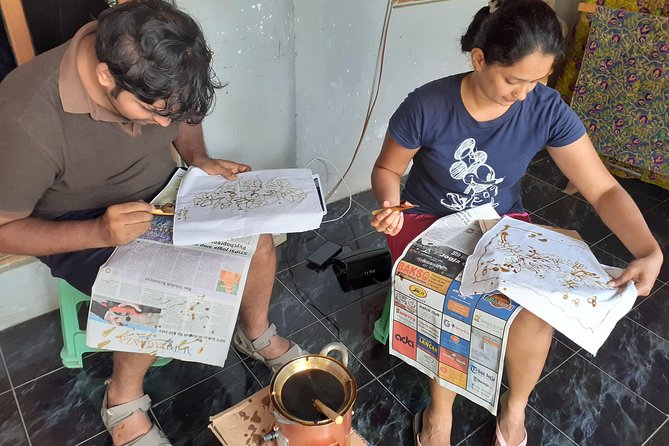
Yogyakarta is one of Indonesia’s best places to learn about batik, a cloth-making art based on applying wax before dyeing the fabric. The wax blocks selected areas from the dye, creating lines and patterns that appear as the colors build.
This workshop lets you take part in the work instead of only looking at finished cloth in a shop. You make the marks yourself, and small wobbles become part of the final design. That is useful to remember before you begin. This is a hands-on craft class, not a precision machine operation.
The price is $19.50 per person, which I consider fair for an activity lasting about three hours. You receive instruction, materials, refreshments, and a finished piece to take home. The standard result is handkerchief-sized, while a tote bag costs a bit extra. If you want a useful shopping bag rather than a small wall or table decoration, the upgrade may be worthwhile.
The activity has a maximum group size of 30. That is not a tiny private lesson, but the teaching style described for the class includes close guidance, and several parts of the process are naturally done at your own work station. If personal attention matters to you, ask about the group arrangement when booking.
More hands-on workshops in Yogyakarta:
- Yogyakarta Cooking Class and Market Tour
★ 5.0 · 99 reviews - Borobudur: Pottery Making Workshop
★ 5.0 · 5 reviews - Ubud Cooking Class Bali with Balinese Chef
★ 5.0 · 1,609 reviews
Starting at Pasar Prambanan
The meeting point is Pasar Prambanan, at Jl. Merpati No. 60 in Klurak Baru, Bokoharjo, Sleman. The activity ends back at this same meeting point.
This location works best if you are already planning time around Prambanan. It is about 35 minutes from Malioboro by car in normal conditions, according to the practical timing given for the experience, while the class is only about 10 minutes from the Prambanan Temple area. Traffic can affect any road journey, so leave room in your day rather than scheduling a temple admission time immediately after the class.
You need to arrange your own way to the meeting point unless a separate transfer has been arranged. People have used a private car and driver for the trip, which is a sensible choice if you want to combine the workshop with both temples. The activity uses a mobile ticket, and confirmation is provided when you book.
The setting is described as peaceful and close to Prambanan. That matters because the workshop is a change of pace from a busy sightseeing schedule. After walking among temple courtyards, sitting down with cloth and wax gives your day a quieter center.
The first lesson: cloth, wax, and the canting
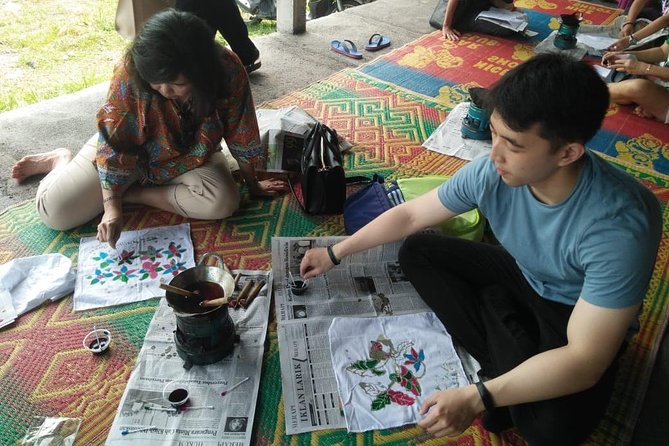
The class begins with an introduction to batik and the tools used during the work. You learn how the process functions and how to handle the equipment before starting your own design.
The key tool is the canting, a small traditional implement used to draw liquid wax onto the fabric. It takes more control than a pencil because the wax must stay warm enough to flow, yet not spill across the cloth. Your first lines may be uneven. That is normal, and the class is designed for people learning the technique rather than for trained textile artists.
You then trace a pattern onto the fabric. This gives you a guide, but it does not remove the handmade element. The quality of your final piece depends on how steadily you draw, how well the wax lines close the areas, and how you apply the colors.
I like this stage because it explains why batik patterns look so precise in finished work. The beauty comes from a series of careful, physical steps. You can also see how a small break in a wax line may allow dye to pass into an area you meant to keep clear.
Waxing the design by hand
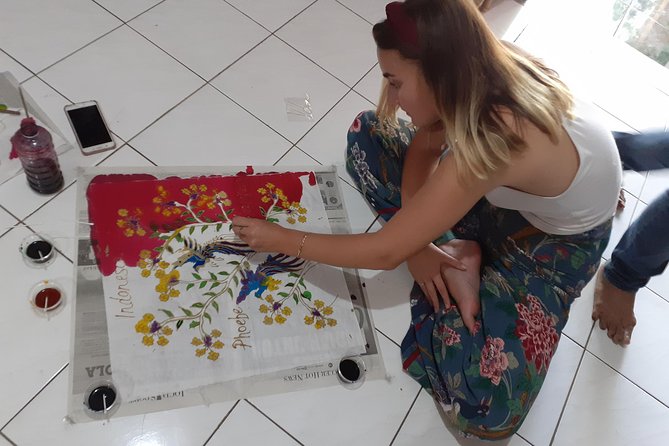
Once the pattern is in place, you outline it with melted wax. This is the most demanding part for many beginners. You need to guide the canting slowly and keep your hand steady, but the class has a forgiving attitude toward mistakes.
The instruction is particularly suitable for first-time makers. The teacher demonstrates the tools and helps you correct your technique as you work. English explanation is available, and the class has also been described as including an English translator. That is important if you want to understand not only what to do, but why each step matters.
Take your time here. Rushing the wax lines can create leaks during dyeing, while slowing down gives you more control. A simple design may be a better choice than a complicated one if you have never worked with wax before.
You should also expect your piece to look unfinished for a while. At this point, the cloth may show a pale design with dark wax outlines, but the final effect comes later, after the dye has done its work.
A few more Yogyakarta half-days to weigh up
- Borobudur Sunrise from setumbu Hill , Merapi Volcano & Prambanan Full Day Tour
★ 5.0 · 1,030 reviews - Borobudur Temple Climb To The Top & Prambanan Temple – 1 day tour
★ 5.0 · 638 reviews - Menoreh Village Cycling
★ 5.0 · 611 reviews - Yogyakarta: Borobudur Top Access & Prambanan Temple Private Tour
★ 5.0 · 390 reviews
Building color one stage at a time
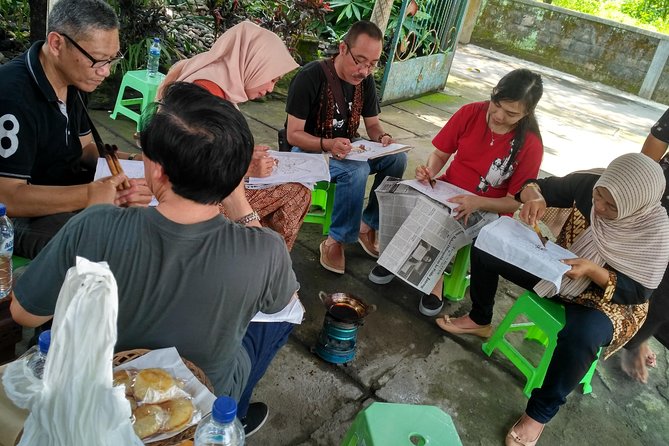
After the wax is applied, you color the cloth in sequence. This is often the most immediately enjoyable part, especially for children. You can watch the pattern change as the colors spread across the open sections of fabric.
The dyeing process is not simply painting inside lines. The wax acts as a barrier, so the quality of your earlier work affects the result. This gives the class a useful lesson in cause and effect. Your finished cloth records every choice, including the imperfect ones.
Several people have chosen the tote bag option, but the standard class produces a handkerchief-sized piece. Confirm the extra cost before you start if you want the bag. The tote is the more practical choice for someone who wants to use the souvenir, while the smaller cloth is easier to pack and less expensive.
The class is not about producing identical factory-quality objects. The point is to make something by hand with guidance from a local batik artist. If your lines are not exact, you still have a genuine record of your time in Yogyakarta.
Drying, finishing, and taking your art home
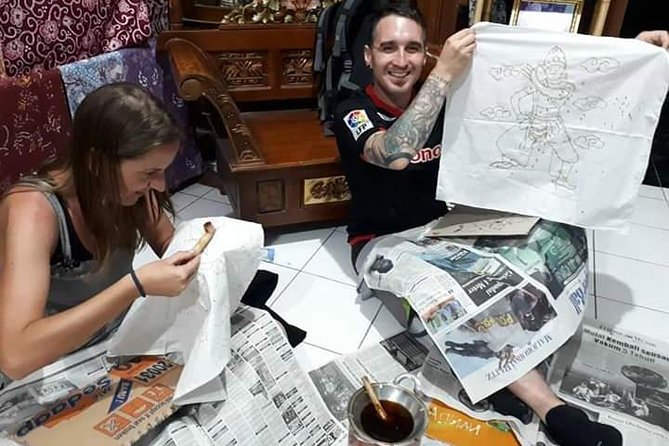
Once the coloring is finished, the cloth is dried and treated through the final stages of the process. The description includes soaking the work in a chemical solution and then in water. The class aims to let you take the result home once the process is complete, but drying time can vary.
One practical detail deserves attention: your piece may still be wet when you leave. A visitor who drove away with a damp cloth placed it on newspaper to dry in the car and hotel. You can prepare for this with a plastic bag for transport and spare paper to protect your luggage or vehicle.
This is not a reason to avoid the class. It is simply part of working with wet dyes and fabric. Ask the instructor how dry the piece is before packing it, especially if you have a long journey afterward.
The result has more value than a standard shop purchase because you made it from the first pattern to the final rinse. It may not look professionally manufactured, but that is exactly the point. You will remember the steady hand needed for the wax and the surprise of seeing the colors appear.
Adding snacks and a slower local rhythm
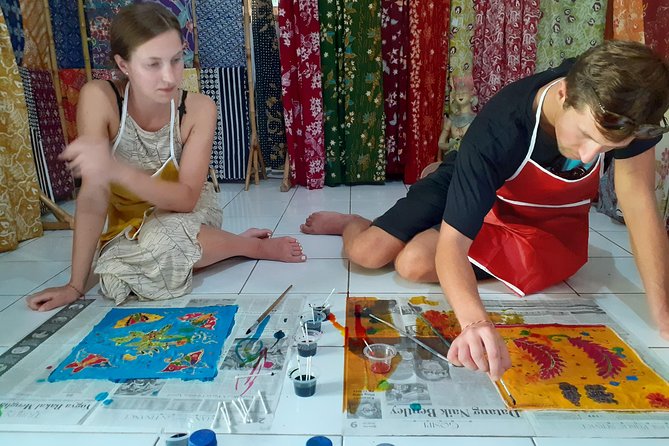
Coffee, tea, and local snacks are included while you work. This small detail makes a real difference during a three-hour craft session. You have a chance to pause, look at the design, and talk with the instructor instead of treating the class as a nonstop production line.
The refreshments also make the activity easier for families. Children can move between drawing and coloring, while adults may appreciate the quiet break. You should still expect to supervise young children around hot wax and tools, since the activity involves materials that require care.
The workshop supports local women through the batik-making work, according to the information provided for the experience. That gives the purchase a local connection beyond the object itself. You are paying for teaching and materials while taking part in a craft that remains tied to the area.
Pairing the workshop with Prambanan and Sojiwan
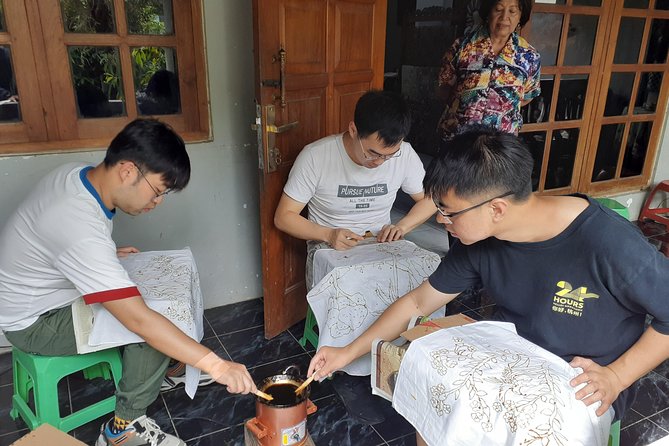
The itinerary includes Prambanan Temples and Sojiwan Temple. The batik class is located near the Prambanan complex, making it easy to plan as part of a wider day in the area.
Prambanan is the major draw. Its Hindu temple towers make it one of Yogyakarta’s essential cultural stops. You can visit the temple before the workshop, then spend the afternoon making a piece connected to the region’s textile traditions. This order may work well because the class provides a seated activity after temple walking.
Sojiwan Temple offers a smaller second stop. The supplied schedule identifies it as part of the itinerary, but it does not specify the exact transport arrangement or how long you spend there. Confirm those details if the temple visit is important to your plans.
Do not assume the workshop includes all temple entrance fees or a private car. The meeting and ending point is Pasar Prambanan, and the available details focus on the batik activity itself. Plan your temple tickets and transport separately unless your booking confirmation says otherwise.
Who will enjoy this class most
This experience suits you if you like learning through your hands. You do not need previous batik experience, and the class is welcoming to beginners who are willing to work slowly.
It is also a strong choice for families. Children have a clear role in the process, and coloring offers an easy entry point. The three-hour length is worth considering for very young children, especially because the class involves sitting, concentration, and careful tool use.
Art-minded people will get the most from the full process. You will have enough time to draw, wax, color, and see the result develop. If you only want a quick craft souvenir, the workshop may feel long.
The class also works well for couples and small groups. Everyone can create a different result while sharing the same setting. The maximum group size of 30 means the experience may not always feel private, so people seeking a quiet one-on-one lesson should ask about the date and group size.
You should have a moderate level of physical fitness. The information does not describe difficult walking or strenuous activity, but the day may include temple visits, standing, and working at a table for several hours.
Planning the timing and cancellation rules
Allow about three hours for the workshop itself, and add road time if you are coming from central Yogyakarta. The class is booked, on average, about 10 days ahead, so reserving early makes sense during busy periods.
Free cancellation is available if you cancel at least 24 hours before the local start time. Changes made inside that 24-hour window are not accepted, and the payment is not refunded for a late cancellation.
The activity also requires good weather. If poor weather causes the operator to cancel, you receive the choice of another date or a full refund. Keep this in mind when building the workshop into a tightly timed temple day.
Should you book the Batik Master Class?
I would book this class if you want a souvenir with a personal story and you are already visiting Prambanan. The full wax and dye process gives you a better understanding of batik than a short painting session, while the $19.50 price includes useful extras and hands-on instruction.
Choose the tote bag if usefulness matters more than compact packing. Bring protection for a possibly damp cloth, and allow extra time for traffic and temple visits. If you dislike slow, careful craft work, or need to leave with a completely dry item, choose a shorter shopping stop instead.
For families, first-time artists, and anyone who wants a quieter cultural activity near Prambanan, this is a strong value. You leave with something imperfect, personal, and made in Yogyakarta rather than simply bought there.
FAQ
How long does the Batik Master Class last?
The experience lasts approximately three hours. This covers the introduction, tracing, waxing, coloring, and later stages of the batik process.
Where does the activity start and finish?
It starts at Pasar Prambanan, Jl. Merpati No. 60, Klurak Baru, Bokoharjo, in Sleman. The activity ends back at the same meeting point.
What will I make during the class?
The standard result is a handkerchief-sized batik piece. A tote bag is available for an additional cost.
Are snacks and drinks included?
Yes. Local snacks, coffee, and tea are provided while you work.
Can I cancel for a full refund?
Yes, if you cancel at least 24 hours before the experience start time. Cancellations or changes made less than 24 hours in advance are not refunded or accepted.
What happens if bad weather cancels the activity?
You will be offered another date or a full refund if the experience is canceled because of poor weather.
Just added around Yogyakarta
- Borobudur Private Tour From Semarang Port★ 4.5 · 12 reviews
- Borobudur: Village Tour with Pottery and Tofu Making★ 5.0 · 34 reviews
- Chicken Church Local Attraction Near Of Borobudur Temple★ 3.5 · 18 reviews
- Chicken Church at Karangrejo Village Admission Ticket★ 4.5 · 3 reviews
- Private Borobudur Village Trip By Volkswagen Safari★ 5.0 · 3 reviews
- Yogyakarta: Borobudur Temple Climb Up and Prambanan Temple Tour★ 5.0 · 53 reviews
- Borobudur Temple Combined Ticket Admissions★ 5.0 · 7 reviews
- Borobudur: Pottery Making Workshop★ 5.0 · 5 reviews
Yogyakarta Tours, compared.
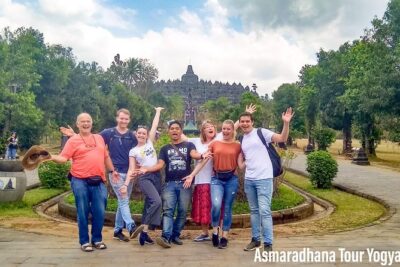
Borobudur Sunrise from setumbu Hill , Merapi Volcano & Prambanan Full Day Tour
Read our review →
Borobudur Temple Climb To The Top & Prambanan Temple – 1 day tour
Read our review →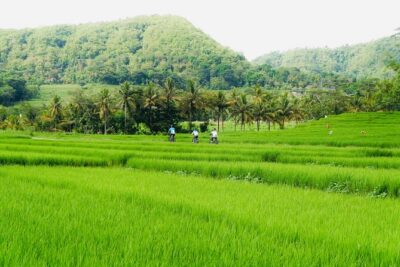
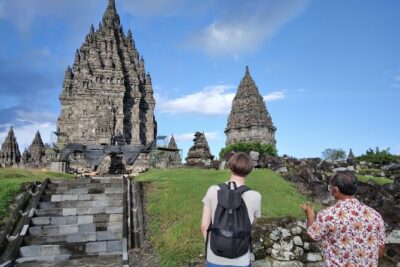

Borobudur(climb up), Merapi Volcano and Prambanan Temple Tour
Read our review →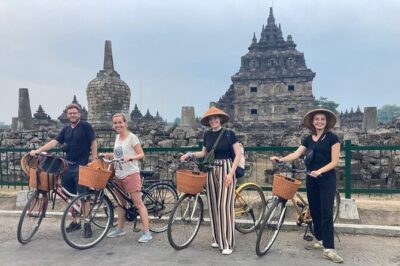

Borobudur Climb-up & Prambanan Day Trip All Inclusive
Read our review →
Borobudur (climb), Prambanan & Other Visit By Request
Read our review →Browse the lists this tour appears in