
Reviewed · JAKARTA TOURS
The Secret Society of Batavia – Walking Tour
Jakarta’s colonial past takes a strange turn on this Freemasonry-themed walking tour, which links old Batavia buildings with symbols found in Taman Prasasti Museum. You’ll walk from Pos Bloc through churches, former lodge sites, palace grounds, Monas views, and one of the city’s oldest modern burial complexes.
I like the focused subject and the way the route moves beyond Jakarta’s usual highlights. I also like that the experience is private for your group, includes bottled water, a pocket map, a batik cloth fan, and museum admission. The main drawback is the 6-kilometer walk in hot, humid weather, with no hotel pickup and no meal included.
Key points at a glance
- A rare subject: Learn about Dutch Freemasonry in the East Indies and its reported links with important Indonesian figures.
- A 6 km city walk: The route connects Pos Bloc, old Batavia sites, Gambir, Monas, the Presidential Palace area, and Taman Prasasti Museum.
- Private group format: Your party is the only group on the tour, with a limit of 1 to 15 people.
- Rico may lead your walk: He is praised for his detailed knowledge and enthusiasm for Jakarta’s past.
- Best museum finish: The 36-minute visit to Taman Prasasti Museum focuses on Freemason symbols in the cemetery’s monuments.
- Plan for the weather: Wear light, comfortable clothing, bring an umbrella in the October to April rainy season, and expect the tour to run in sun or rain.
Why Batavia’s secret societies make an unusual tour theme
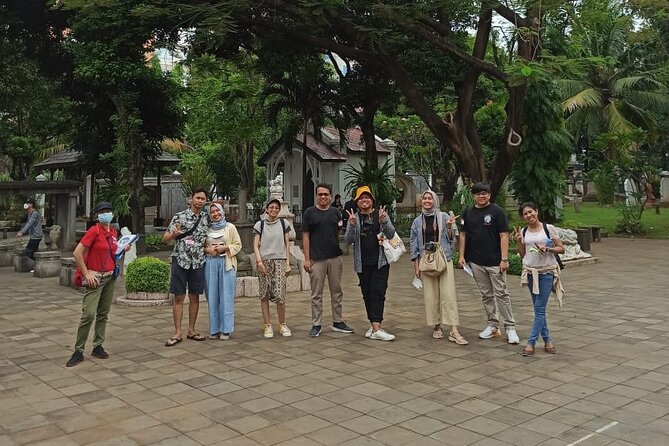
The tour begins with an intriguing question: how did Freemasonry reach the Dutch East Indies, and what role did it play in colonial Batavia? The Dutch brought the organization to Indonesia, where its ideas spread through parts of colonial society. The tour also connects Freemasonry with figures involved in Indonesia’s independence movement, a subject rarely covered in a standard city sightseeing route.
That theme gives the walk a clear purpose. You are not simply moving from one old building to another. You are looking for connections, symbols, and traces of a society that allegedly imagined a new world order. The subject is unusual, but the route remains grounded in visible places around central Jakarta.
I would choose this after seeing the city’s basic sights. The tour is designed for someone who wants a more detailed and nuanced account of Jakarta, rather than another quick pass by the main monuments. It can also suit repeat visitors who have already explored the central districts and want a new way to read familiar streets.
The guide matters here. Rico is specifically praised for his enthusiasm and strong command of Jakarta’s past. A good guide can make an otherwise quiet architectural detail or carved symbol worth stopping for. The experience is led by a certified professional guide, although the guide’s name may vary by departure.
More walking tours in Jakarta:
- Jakarta Walking Tour with Public Transportation Visiting Sites
★ 5.0 · 14 reviews - Queen of the East (Old Batavia) Walking Tour
★ 4.5 · 7 reviews - Jakarta Private Custom Walking Tour with A Guide
★ 5.0 · 3 reviews
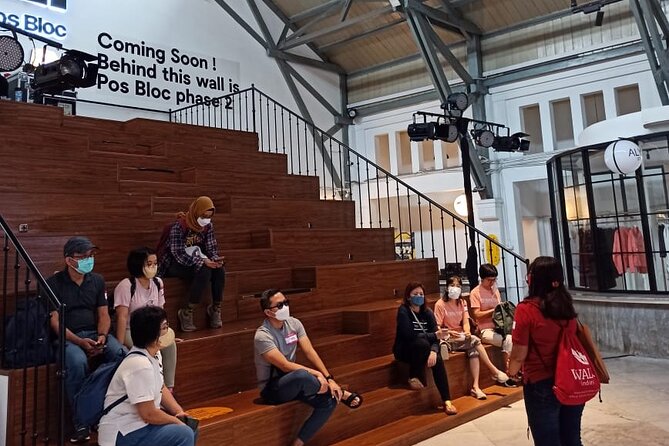
Starting inside Pos Bloc’s Philatelic building
The meeting point is Pos Bloc Jakarta, at Jl. Pos No. 2 in Pasar Baru. The walk starts inside the Philatelic building, giving you a useful introduction to the old postal and civic quarter before you head toward the colonial sites.
The first stop lasts about 10 minutes and has no separate admission charge. Pos Bloc is also a practical meeting point because it is near public transportation. Arrive ready to walk, since the route begins promptly with a city crossing rather than a long orientation session.
This opening stop sets the tone. The tour is not built around grand interiors that you spend an hour visiting. Instead, it uses central Jakarta’s streets and buildings as evidence. You will need to listen closely and watch for the details the guide points out.
The former De Ster in Het Oosten lodge
The next stop is the office of PT. Kimia Farma Apotek, where you visit the site of the former loji de Ster in Het Oosten. The stop lasts about 15 minutes and is one of the clearest links between present-day Jakarta and the city’s Masonic past.
The site is valuable because it shows how the tour works. Modern use can cover or change the character of a historic building, but the location still carries a connection to the organization that shaped parts of colonial society. Your guide explains what the place represented and helps you see it as more than an ordinary office frontage.
Do not expect a large museum display here. This is an exterior or short-stop experience within an active city setting. The appeal comes from the story attached to the place, not from a long indoor visit.
Daendels Palace and the colonial power route
The walk continues past Daendels Palace, with about 15 minutes set aside for the stop. The palace is another reminder that Batavia’s story was shaped by power, administration, and competing European interests.
This part of the route helps broaden the Freemasonry subject. The tour is not only about symbols carved in stone. It also places the organization within the colonial city that produced it, where officials, institutions, churches, commercial interests, and private societies operated close together.
Because the tour covers several sites in a fairly short time, the guide’s explanations are important. You get a connected account rather than a full architectural inspection of each building. If you enjoy stopping for extended photographs, keep an eye on the clock and be considerate of the group’s pace.
A few more Jakarta half-days to weigh up
- Jakarta: Volcano, Tea/Rice Fields, Hot Spring, Local Food
★ 4.9 · 515 reviews - Active Volcano, Rice Field, Hot Spring, Fruit market, Tea Plantation with Lunch
★ 5.0 · 513 reviews - Private Full-Day Guided Tour: Explore Jakarta’s Top Highlights
★ 5.0 · 338 reviews - Jakarta Half-Day Guided Tour with a Private Fun Local Host
★ 5.0 · 292 reviews
GPIB Immanuel and Dutch church architecture
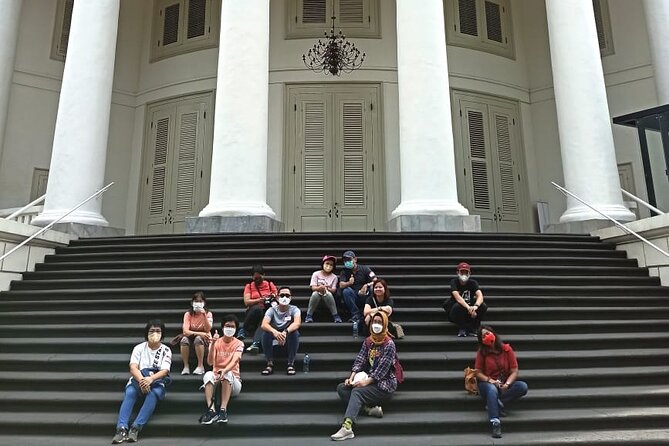
At GPIB Immanuel Jakarta, you spend about 20 minutes looking at Dutch church architecture. The church adds a different kind of evidence to the route, shifting the focus from an old lodge and palace setting to religious design and colonial public life.
The architecture gives you something visible to study while the guide explains the broader setting. Look at the proportions, materials, and formal style rather than expecting a museum-style exhibition about Freemasonry. The stop is about context and association.
This is also one of several points where the walk’s pace can feel pleasantly varied. You are not standing in one place for hours. Every few blocks, the subject takes on a different shape through a building, a street view, or a symbol.
A short rest at Gambir Train Station
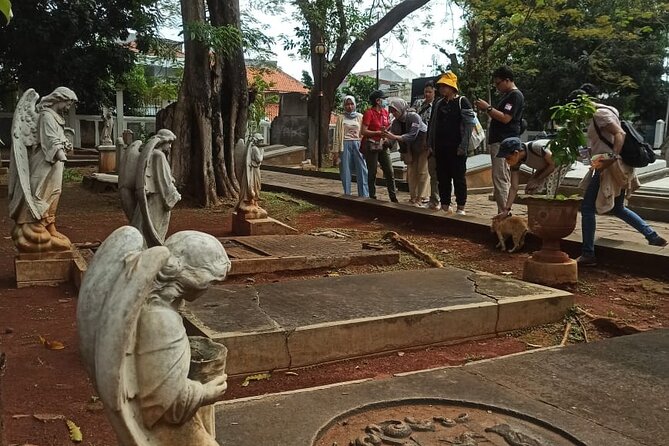
Gambir Train Station is a practical pause in the middle of the walk. The planned stop lasts about 15 minutes and includes time to rest and drink mineral water.
That break matters. The route covers 6 kilometers, and Jakarta’s warm, humid conditions can make even a moderate walk feel demanding. Bottled water is included, but I would still consider bringing your own extra supply, especially if you do not normally walk for several hours in tropical weather.
Gambir also marks a change in the character of the route. You have moved through older colonial sites and now pause at a major transport point before continuing toward Monas and the Presidential Palace area.
Monas, Taman Pandang Istana, and the Presidential Palace
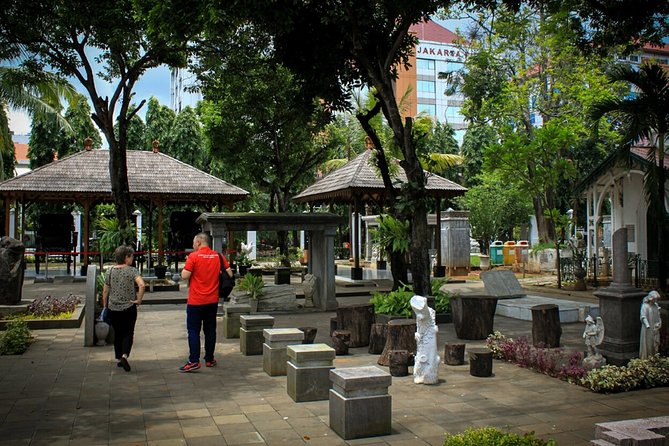
At Taman Pandang Istana, the tour explores views around Monas and passes the Presidential Palace. The stop lasts about 15 minutes.
This is not described as a full Monas visit, so set your expectations correctly. You are passing through the area and viewing the monument and palace surroundings as part of the walking route. The value lies in seeing how national symbols occupy the same central district as buildings connected with colonial rule.
That contrast gives the walk a useful arc. Early stops focus on Dutch-era institutions and architecture. By the time you reach Monas and the palace area, the setting speaks more directly to Indonesia as an independent nation. The guide can connect these locations to the changing political life of Jakarta.
You may want photographs here, but the stop is short. The experience is built around the story and the final museum visit, not a long photo session at Monas.
Finding Masonic symbols at Taman Prasasti Museum
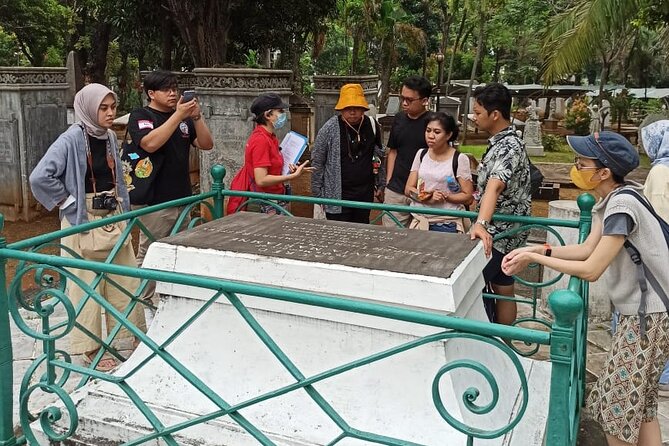
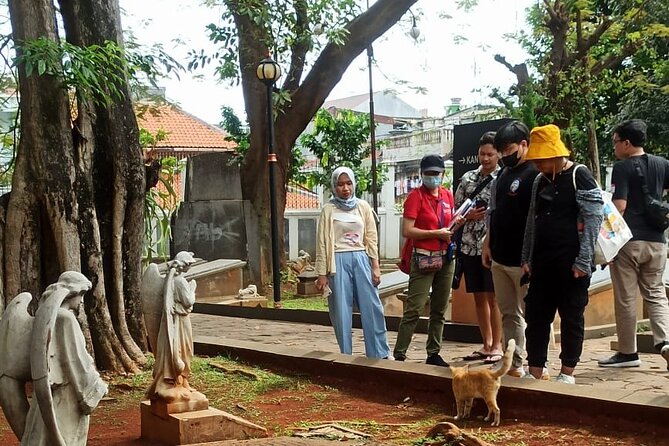
The final stop is Taman Prasasti Museum, where you spend about 36 minutes looking for Freemasonry symbols in the cemetery’s monuments. This is the tour’s strongest destination because the subject becomes tangible.
Taman Prasasti is one of the oldest modern burial complexes in the world, and its memorials offer a setting unlike the city’s usual museums. Tombstones and monuments can preserve names, dates, affiliations, and visual marks that are easy to miss without guidance. Your certified guide points out the symbols and explains how they fit into the story of Batavia.
The museum admission is included in the tour price. It is also the finish point, at Jl. Tanah Abang I No. 1 in Petojo Selatan, so you do not need to retrace the full route to return to the starting point.
Allow yourself a moment to take in the change from traffic and city streets to a quieter cemetery setting. The final stop gives the walk a clear payoff: after hearing about Freemasonry at former lodges and colonial buildings, you can examine marks on actual monuments.
Is $62.77 a fair price?
The listed price is $62.77 per person. That is not the cheapest way to see central Jakarta, but the value depends on how many people are in your party and how much you want the subject explained.
This is a private tour for only your group, with a limit of 15 people. The price includes a professional guide, bottled water, a pocket map, a batik cloth fan, and the museum entrance fee. It does not include meals, insurance, tips, optional activities, or transportation to and from your hotel.
For one person or a small party, the cost is easier to justify if you care about the specific topic and want a guide focused on details that are easy to miss. For a larger group, ask about group discounts before booking. Since the route uses public streets and several free stops, you are paying mainly for the guide’s research, explanations, private format, and museum access rather than a long list of admissions.
I would not book it simply to tick off Jakarta’s headline sights. I would book it if the Freemasonry angle interests you, or if you have already seen the major monuments and want a more specialized walk.
Weather, clothing, and walking demands
The tour lasts about three and a half hours and covers roughly 6 kilometers. Wear comfortable shoes and light clothing suited to Jakarta’s warm, humid weather. The route runs in sunny or rainy conditions, so bring an umbrella, especially between October and April.
The health guidance calls for masks and physical distancing, with participant numbers limited. Current conditions can change, but the important practical point is that this is an outdoor walking experience with museum time, not an air-conditioned bus tour.
Children from ages 3 to 12 pay the same fare as adults and must be accompanied by an adult. Most people can participate, but you should think carefully about the distance, heat, and length of the walk before bringing a young child.
There is no tour on Monday because the museums are closed. The route is near public transportation, but hotel pickup and drop-off are not included, so plan your own way to Pos Bloc and away from Taman Prasasti at the end.
Who will get the most from this walk?
I would recommend this tour to you if you enjoy urban history, colonial architecture, religious buildings, cemeteries, or the less familiar side of Indonesia’s independence story. It is especially useful after you have seen Jakarta’s main sights and want a fresh subject to organize the city around.
It also suits visitors who prefer a private guide to a large group. With a maximum of 15 participants, you have a better chance to ask questions and keep the pace suited to your group. The private format is particularly helpful when the story depends on symbols and small visual details.
You may want to skip it if you dislike long walks, hot weather, or stops that focus on exterior sites rather than extended interior visits. The route includes no meal break, and the cancellation policy is strict: the experience is non-refundable and cannot be changed after booking.
Should you book The Secret Society of Batavia?
Book this walk if you want a specialized, thoughtful account of Jakarta that links colonial institutions, Freemasonry, national politics, and cemetery symbols. Rico’s energetic guiding style is a strong reason to value the experience, and the final visit to Taman Prasasti Museum gives the route a satisfying focus.
Skip it if you are looking for a relaxed sightseeing loop, hotel transportation, or a short tour with little walking. For the right audience, the unusual subject and private guide make the price reasonable. For everyone else, Jakarta’s standard landmarks may offer better value.
FAQ
Where does The Secret Society of Batavia walking tour start?
The tour starts inside the Philatelic building at Pos Bloc Jakarta, Jl. Pos No. 2, Pasar Baru, Central Jakarta.
Where does the tour finish?
The tour ends at Taman Prasasti Museum, Jl. Tanah Abang I No. 1, Petojo Selatan, Gambir, Jakarta.
How long does the tour last?
The walking tour lasts approximately 3 hours and 30 minutes.
How far do you walk?
The total walking distance is about 6 kilometers.
What is included in the tour price?
The price includes a certified professional guide, bottled water, a pocket map, a batik cloth fan, the entrance fee, and a private tour for your group.
Is the tour private?
Yes. Only your group participates, with a minimum of 1 person and a maximum of 15 people.
Does the tour operate on Mondays?
No. The tour does not operate on Monday because the museums are closed.
What should you wear and bring?
Wear comfortable clothes and shoes suitable for warm, humid weather. Bring an umbrella, especially during the rainy season from October through April.
Is hotel pickup included?
No. Hotel pickup and drop-off are not included. The meeting point is near public transportation.
Just added around Jakarta
- Volcano and Domas Crater of Hot Stony Bubble from Jakarta Lunch★ 5.0 · 23 reviews
- Situ Gunung Waterfall & Suspension Bridge Sukabumi start Jakarta★ 4.5 · 13 reviews
- Soekarno Hatta International Airport by Plaza Premium Lounge★ 4.0 · 46 reviews
- Jakarta Indonesian Culture in half Day★ 5.0 · 50 reviews
- Private Tour: Half Day Jakarta Old City Tour★ 4.0 · 4 reviews
- Jakarta Scooter Lessons and Motorcycle Lessons★ 5.0 · 9 reviews
- Batik Heritage Introduction Class with Lunch & Souvenir★ 5.0 · 8 reviews
- Jakarta City Tour: Shopping & Culinary Experience★ 4.5 · 15 reviews
Jakarta Tours, compared.
Volcano, Tea/Rice Fields, Hot Spring, Local Food
Read our review →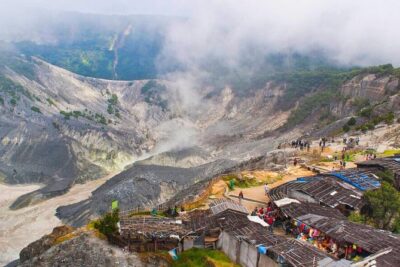
Active Volcano, Rice Field, Hot Spring, Fruit market, Tea Plantation with Lunch
Read our review →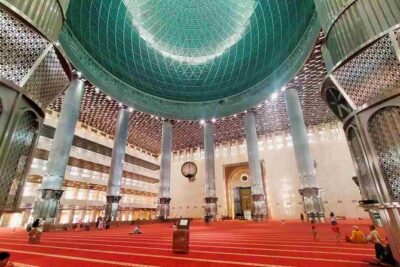
Private Full-Day Guided Tour: Explore Jakarta’s Top Highlights
Read our review →
Jakarta Half-Day Guided Tour with a Private Fun Local Host
Read our review →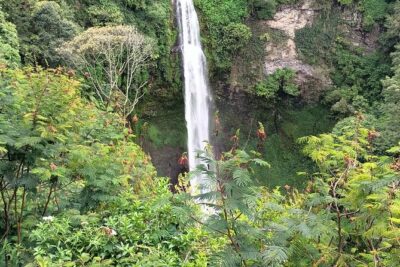
Jakarta Bogor Botanical Garden, Waterfall and Rice terrace, Lunch
Read our review →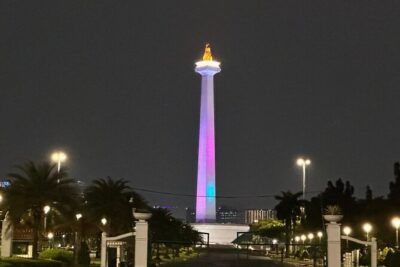
Jakarta Heritage of Old Batavia Private City Tour (Historical)
Read our review →
Jakarta Half-Day Sightseeing Tour To Modern City and Old Town
Read our review →
Jakarta Night Tour : Enjoyable Night time in Jakarta (Hotel Pick-up)
Read our review →Browse the lists this tour appears in