
Reviewed · TULAMBEN TOURS
PADI Open water Course in Tulamben – Get certified & dive anywhere in the world
Tulamben’s calm water and easy access to several famous underwater sites make this a smart place to earn your first scuba certificate. You begin in confined water, then use your new skills in the sea, finishing with a qualification accepted around the world. Small groups of no more than six are a real advantage when you are still learning how to breathe, move, and stay calm underwater.
I like the on-site Tulamben base, where guides are familiar with the local reef and its marine life, and I like that the price includes a certified PADI instructor, scuba gear, park fees, porters, and pickup and drop-off around Tulamben. The main drawback is the fixed three-day schedule and strict no-refund policy, so you need to be sure you can commit and that the weather will cooperate.
Key points at a glance
- Three days to certification: Complete online theory, confined-water training, and four open-water sessions.
- Maximum group size of six: You get more room for questions and individual help.
- Beginner-friendly Tulamben sites: Currents are usually gentle around the training areas.
- USAT Liberty area access: Training takes place near well-known sites including the wreck, coral garden, and drop-off.
- All core equipment supplied: The price covers scuba equipment, instructor, park fees, porters, and local transfers.
- Instructor support matters: Made Sutama is specifically praised for calm, patient teaching with first-time participants and families.
Why Tulamben works for first-time scuba students
Learning to breathe underwater is a strange and memorable business. At first, your attention is divided between your mask, regulator, buoyancy, hand signals, and the simple task of staying relaxed. Tulamben is a sensible setting for this first step because the currents are usually gentle around the sites used by the school.
That matters more than dramatic scenery on day one. A calm water session gives you time to repeat basic skills without feeling rushed. You can focus on clearing a mask, managing your air supply, controlling your movement, and communicating underwater.
The local center also gives the course a practical advantage. Guides live on site and know the area well, so the instruction is tied to the actual conditions you will face. You are not learning in a generic pool and then being sent somewhere unfamiliar for your first sea sessions.
The course leads to the PADI Open Water certification, the standard first level of recreational scuba training. Once certified, you can dive to a maximum depth of 18 meters, subject to the usual rules and conditions attached to your certification. The qualification is recognized worldwide, which makes it useful beyond Bali.
A few more Indonesia half-days to weigh up
- Open Water Course in Tulamben – Get Certified in Bali
★ 5.0 · 495 reviews - Bali Diving for Beginners: Tulamben Liberty Wreck
★ 5.0 · 367 reviews - Discover Scuba Diving in Tulamben – Diving Initiation in Bali best diving sites
★ 5.0 · 353 reviews
Day one: theory, equipment, and confined-water practice
The course begins with theory through the PADI e-learning platform. You can finish the online work before arriving, or complete it during the three-day course. Either way, the material is reviewed with your certified instructor, giving you a chance to ask about points that are unclear.
The theory is not filler. It explains how scuba equipment works, how pressure affects your body, how to plan a safe session, and how to respond to common problems. For a first-time student, this background helps turn a strange collection of hoses and gauges into a system you can understand.
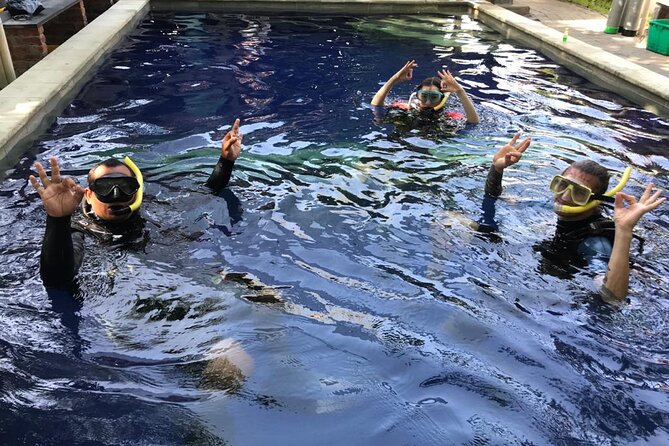
The first practical session takes place in confined water, described as pool training. This is the controlled setting where you learn the basic techniques before heading into the sea. You become familiar with the equipment and practice the skills needed for safe, steady movement underwater.
This is also the point where a patient instructor makes a major difference. Made Sutama is praised for guiding nervous beginners calmly and for building confidence step by step. That is exactly the sort of teaching you want here. Good instruction is not about rushing through a checklist. It is about giving you enough repetition to feel in control.
The schedule begins at 8:00 am. The supplied information does not state the exact end time, so plan to keep the morning and much of the day flexible. You will also need to arrange lunch yourself, since it is not included.
Days two and three: four open-water sessions
The second and third days take your new skills into the sea. These are open-water sessions one through four, designed to help you use the techniques from confined water while exploring Tulamben’s underwater sites.
The change from pool to sea is the heart of the course. The water may feel less predictable, and the setting is far more interesting, but your instructor continues to supervise the process. You are not simply handed equipment and sent off to explore. Each session is part of the training path toward certification.
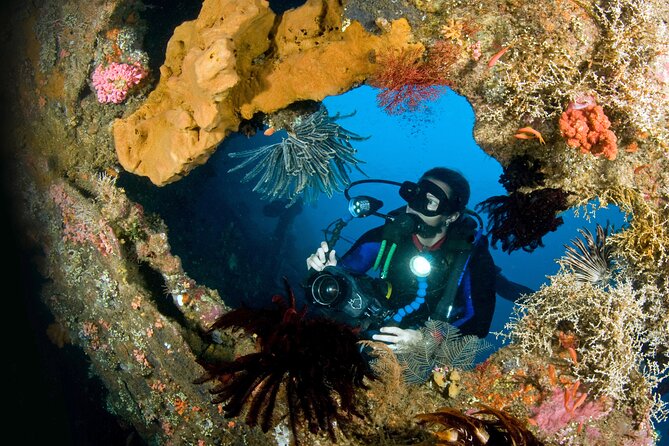
Tulamben offers several distinct places to see underwater. The USAT Liberty wreck is the area’s best-known attraction, while the coral garden and drop-off add different settings for exploring and practicing. The exact order and site choice can depend on conditions and instruction needs, so you should not assume every participant follows an identical route.
For a beginner, the sites provide more than a scenic backdrop. You learn to manage your buoyancy while looking at real underwater features, keep track of your instructor and group, and apply your basic skills outside a pool. This is where the course starts to feel like an experience rather than a class.
The gentle current is a useful feature, but it is not a promise of perfectly still water. Sea conditions can change, and the experience requires a moderate level of physical fitness. You should be comfortable taking part in repeated water sessions and following safety instructions closely.
What the small group size changes
The maximum group size is six. That is small enough to matter, especially during the first confined-water session and the early open-water work.
You have more chance to receive direct correction when your mask fit, breathing, buoyancy, or equipment handling needs attention. You also have a better opportunity to ask questions without feeling that the whole class is waiting for you.
A small group does not remove the need for self-discipline. You still need to complete the theory, listen carefully, and practice the skills. It simply gives the instructor more room to notice how each person is progressing.
This format is particularly useful for families and mixed-confidence groups. One account describes a parent completing the course with children aged 14 and 12, with Made Sutama providing calm support through difficult moments. The supplied information does not set a minimum age for this activity, so families should confirm age requirements before booking.
Same base, a completely different kind of day:
- All-Inclusive Ubud Private Tour
★ 5.0 · 14,344 reviews - Best of Ubud Full-Day Tour with Jungle Swing
★ 5.0 · 8,571 reviews - Ubud: Monkey Forest, Jungle Swing, Rice Terrace, and Water Temple
★ 5.0 · 7,160 reviews - ️Nusa Penida by Private Boat – Snorkeling 4 spots, Swim with Mantas + Land Tour
★ 5.0 · 6,424 reviews
The instructors and the tone of the training
The most consistent strength here is the teaching. Made Sutama is singled out for being attentive, relaxed, patient, and professional. Those qualities are not minor comforts when you are learning to breathe underwater for the first time.
You want an instructor who can explain a skill clearly, spot when you are uncomfortable, and help you work through a problem without making it feel like a crisis. The comments about Made suggest that he provides exactly that kind of support.
The wider staff also receives credit for quick communication and a friendly approach. That is useful before the course begins, since you may need to clarify pickup, the e-learning schedule, or what to bring. Clean equipment is another practical positive noted about the operation.
Still, the course is delivered by an organization, not just one named instructor. You should request or confirm your instructor if that matters to you, since guide assignments can change. The important question is whether your instructor is a certified PADI professional and whether the small-group format is maintained.
What the $325 price includes
At $325 per person, the course is priced as a complete certification program rather than a single recreational outing. The value comes from the combination of instruction, equipment, four open-water sessions, and the confined-water training needed to qualify.
The price includes:
- A certified PADI instructor
- Scuba equipment
- Pickup and drop-off around the Tulamben area
- Community contributions
- Porter service
- Park fees
That list removes several costs that can otherwise appear as add-ons. You are not paying separately for standard scuba equipment, local park access, or porter help. Pickup is also useful if you are staying in the Tulamben area and do not want to arrange local transport yourself.
Lunch is not included. Camera rental and digital photos or videos are also extra if you want a record of the experience. I would treat those as optional purchases, not reasons to question the core value of the course.
The price is strongest for someone who genuinely wants certification. If you only want one underwater outing, a shorter introductory session may be a better fit, although that is a different type of experience and will not give you the PADI Open Water qualification.
Who will get the most from this course
This course suits you if you want a recognized scuba qualification and can give three days to the process. It is also a good choice if you are nervous about starting, since the course moves from theory to controlled practice and then to the sea.
You may appreciate it if you prefer a smaller class and direct contact with your instructor. Beginners often need extra time with equipment and basic skills, and a group capped at six gives the instructor a reasonable chance to provide it.
Families may find the format appealing, but you should confirm any age rules before booking. The available information confirms one family completed the course with children aged 12 and 14, but it does not state the minimum age or other youth requirements.
This is less suitable if your schedule is uncertain. The course runs for approximately three days, and the booking cannot be changed or refunded for personal reasons. It is also not the right choice if you are looking for a relaxed half-day activity with no study or skills work.
Practical points before you book
The meeting time is 8:00 am. Pickup and drop-off are offered around Tulamben, not as a general Bali-wide transfer service, so confirm that your accommodation falls within the service area.
You should expect to spend time studying. The online PADI theory can be done before the course, which is the better option if you want to keep the three days focused on practical work. If you complete it during the course, the schedule may feel more demanding.
Bring enough time for the full program, and do not plan a tight onward connection immediately afterward. The supplied details do not specify daily finishing times, and sea conditions or individual progress can affect the rhythm of training.
Good weather is required. If poor weather causes cancellation, you will be offered another date or a full refund. That protection applies to a weather cancellation, not to a personal decision to cancel or request an amendment.
The activity requires a moderate level of physical fitness. The available information does not give further medical or equipment guidance, so ask the provider any health or certification questions before payment.
Is the USAT Liberty area right for your first certificate?
Tulamben’s appeal is that your training happens in an area known for several underwater attractions, not in a featureless setting. The USAT Liberty wreck, coral garden, and drop-off each offer a different visual setting for your open-water sessions.
The wreck is the headline attraction, but your course should not be judged only by how much time you spend at it. Certification training has clear goals, and your instructor must put skills and safety first. A coral garden or drop-off may be more suitable for a particular exercise or sea condition.
You will also need to accept that your first experience is partly a lesson and partly an exploration. You may spend time checking equipment, practicing a skill, or staying close to your instructor rather than freely wandering around. That is normal and useful. The freedom comes after you have built the habits that make underwater time safer.
Should you book the Tulamben course?
I would choose this course if you want the actual PADI Open Water qualification, prefer a small group, and can stay in or near Tulamben for three days. The gentle local conditions, on-site guides, included equipment, and strong reports about Made Sutama make it a practical starting point.
I would not book it casually as a one-off activity. You need moderate fitness, time for online study and four open-water sessions, and enough flexibility for weather. The no-refund policy also means you should check your dates and local accommodation before paying.
For a first certification, the package offers solid value. You receive instruction, gear, local fees, porter help, and area transport for $325, with the chance to train near the USAT Liberty wreck and other Tulamben sites. If those details match your plans, this is a focused and beginner-friendly way to earn a qualification you can use around the world.
FAQ
How long is the PADI Open Water course?
The course takes approximately three days. It includes theory, confined-water training, and four open-water sessions.
What depth can I reach after certification?
The PADI Open Water certificate qualifies you to scuba dive to a maximum depth of 18 meters.
Is the certification recognized worldwide?
Yes. The PADI Open Water certification is recognized worldwide.
What is included in the price?
The $325 price includes a certified PADI instructor, scuba equipment, pickup and drop-off around Tulamben, community contributions, porter service, and park fees.
Is lunch included?
No. Lunch is not included in the course price.
What happens if bad weather cancels the course?
If poor weather causes the experience to be canceled, you will be offered another date or a full refund. Personal cancellations or amendment requests are not refundable.
Just added around Indonesia
- Bali ATV Quad Bike and White Water Rafting – All Inclusive★ 5.0 · 7 reviews
- Bali ATV Ride with Jungle Swing and Rice Terrace Tour★ 5.0 · 50 reviews
- Combo Bali ATV Ride with Ayung River Rafting All Inclusive★ 4.5 · 12 reviews
- Bali ATV Ride Adventure★ 4.0 · 22 reviews
- Melukat – The Purification Ceremony at Tirta Empul Temple★ 5.0 · 6 reviews
- Bali ATV Quad Bike with Ubud Day Tour All Inclusive★ 5.0 · 19 reviews
- Bali ATV Ride Adventure and Bali Swing Packages – All Inclusive★ 5.0 · 14 reviews
- Bali ATV Combined with Mumbul Lake And Sangeh Monkey Forest★ 5.0 · 34 reviews
Tulamben Tours, compared.
Open Water Course in Tulamben – Get Certified in Bali
Read our review →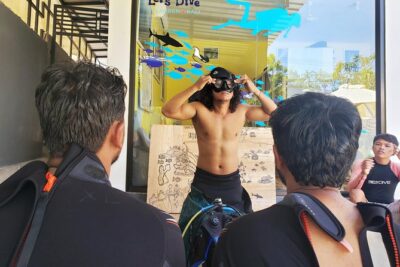
Bali Diving for Beginners: Tulamben Liberty Wreck
Read our review →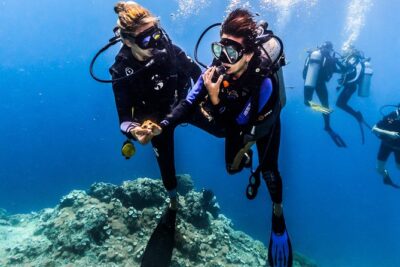
Discover Scuba Diving in Tulamben – Diving Initiation in Bali best diving sites
Read our review →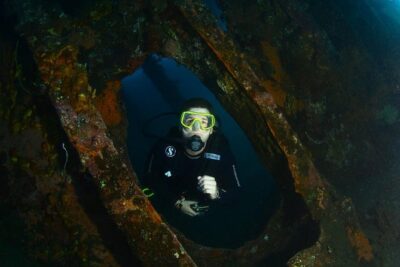
5 Fun Dives in Tulamben (for certified divers) – Discover famous diving sites
Read our review →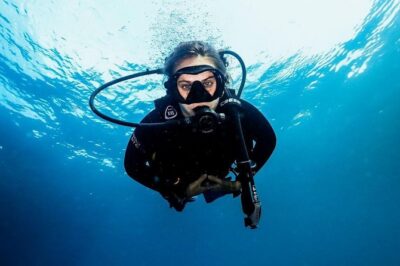
7 Fun Dives in Tulamben (for certified divers) – Premium Value Package
Read our review →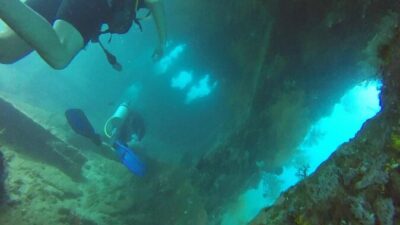
Bali Full Day Experience Scuba Diving Tour at Tulamben
Read our review →Browse the lists this tour appears in