
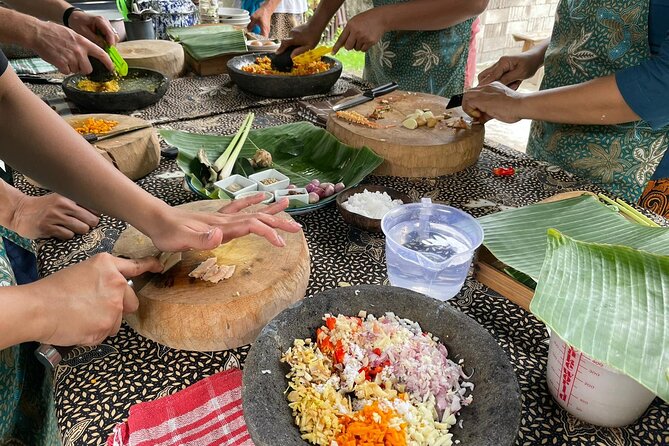
Reviewed · SEMINYAK TOURS
Traditional Tempeh Making & Cooking Balinese Cuisine
Tempeh is more than a meat substitute here. You learn how this Indonesian food is made from scratch, then use it in several dishes before sitting down to a seven-dish Balinese lunch. Ayu and Ngurah host the class in the open air kitchen and garden of a local home, giving the morning a personal feel rather than a restaurant-school setup.
I like the class for two clear reasons: tempeh gets proper attention, and you learn how to use the spice-packed ingredients that shape Balinese cooking. The small maximum of 10 people should also give you more time with the hosts. The main consideration is the meeting point: although the experience is marketed around Seminyak, it starts at Canang Sari Homestay in North Denpasar, so you need to plan your own way there.
Key points to know before booking
- Tempeh from scratch: Learn about the process and the food’s Indonesian roots, then cook with what you have made.
- Seven dishes for lunch: The class ends with a shared Balinese Indonesian meal in the garden.
- Vegan-friendly format: Chicken and tuna can be skipped, making the class suitable for a vegan menu.
- Ayu and Ngurah as hosts: The class includes cooking guidance, tempeh background, and a home-style setting.
- Three-hour morning schedule: Meet at 9:30 a.m. and finish around 12:30 p.m., including lunch.
- Small or private group options: The regular class accepts up to 10 people, with private groups available by request.
Why tempeh is the star of this Balinese cooking class
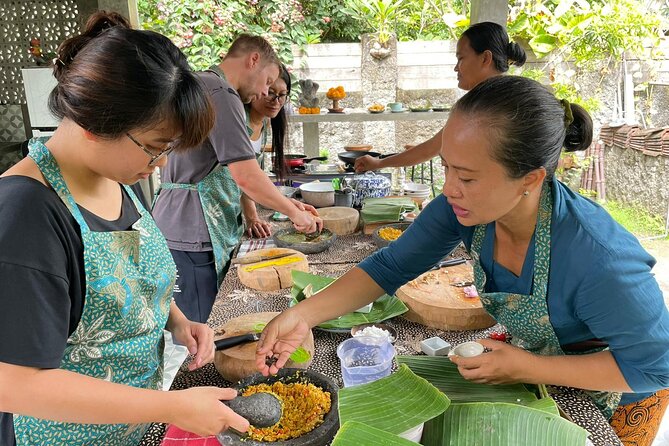
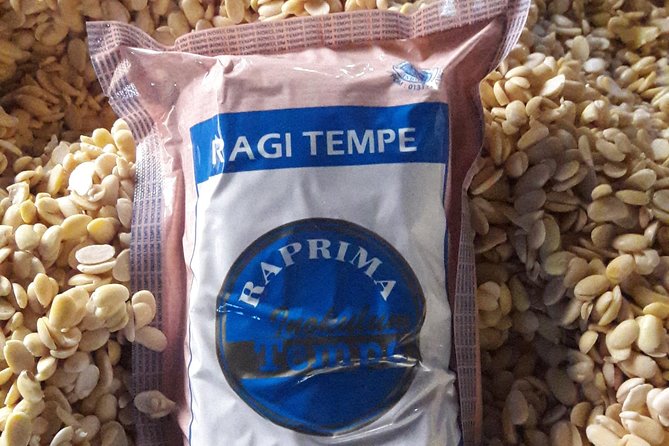
Many Bali cooking classes begin with a trip to a market or a long list of familiar dishes. This one takes a more focused route. The central ingredient is tempeh, a traditional Indonesian food made from soybeans and valued for its protein and nutrients.
Your host explains tempeh’s place in Indonesian food culture and traces its use back to the 1600s. That gives the cooking a useful sense of purpose. You are not simply chopping an ingredient because it happens to be on the menu. You are learning why tempeh matters and how a basic plant-based food can be used in several ways.
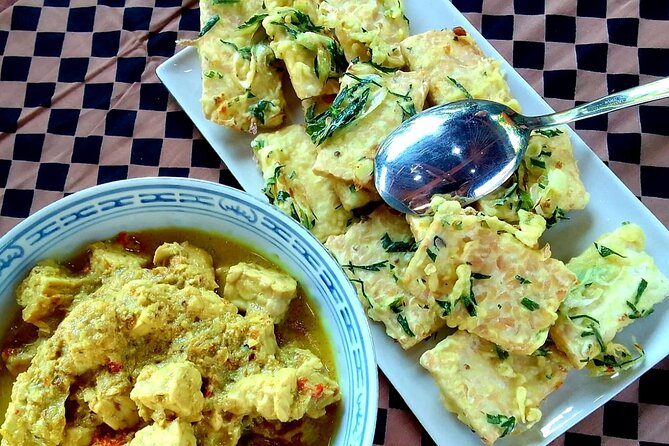
The class is also a good fit if you already eat vegan or vegetarian food and want more ideas than the usual tofu stir-fry. Tempeh has a firm texture and can take on different seasonings, so it works well in fritters, mixed dishes, and spiced preparations.
The focus remains practical. You are shown how tempeh is produced, then move into cooking with fresh plant-based ingredients. If you are hoping for a full factory-style explanation of fermentation, the supplied details do not promise that level of technical depth. The value is in seeing the main process and learning how to cook the result.
More cooking classes in Seminyak:
- Balinese Cooking Class in Seminyak
★ 5.0 · 281 reviews - Nia Bali Seminyak Cooking Class
★ 5.0 · 127 reviews - Cooking class in the comfort of your own personal villa. Yes, I’ll come to you!
★ 5.0 · 80 reviews
From soybeans to the open-air kitchen
The class begins at 9:30 a.m. at Canang Sari Homestay, Gg. Kaswari No. 6, Dangin Puri Kaja, North Denpasar. The activity ends at the same meeting point. Check this address carefully when planning your morning, since the advertised location is Seminyak but the stated start and finish point is in Denpasar.
Once the cooking begins, Ayu and Ngurah introduce the ingredients and the tempeh-making process. The setting is an open-air kitchen studio at a local home. That matters because you get a sense of the class as a shared household meal, not simply a professional demonstration behind a counter.
The small group limit is 10 people. That is not a one-to-one lesson, but it is small enough to make personal help more likely than in a large commercial class. If you want a slower pace or more direct time with the hosts, a private group can be requested.
The morning schedule is compact. You have about three hours from start to finish, and lunch is part of that time. You should expect a busy but manageable session rather than a relaxed all-day food workshop.
Learning the spice base of Balinese food
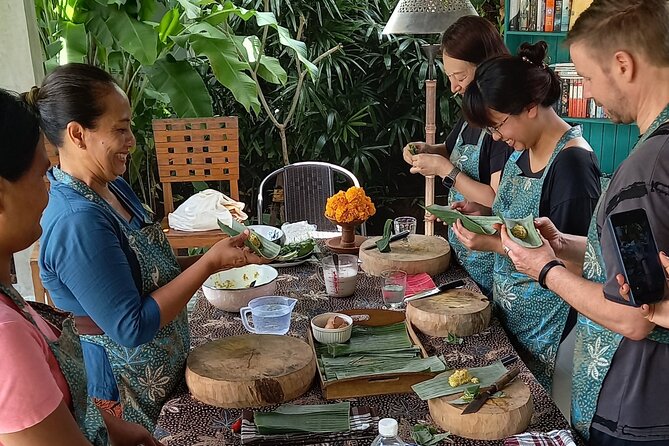
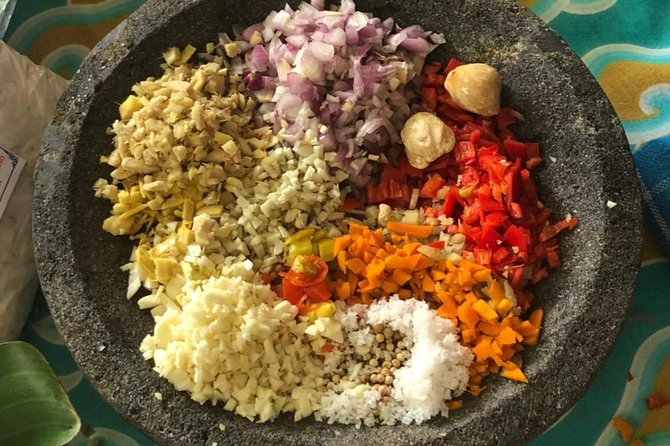
The tempeh lesson is only one part of the class. You also get an introduction to the spices used in Indonesian cooking. The descriptions emphasize colorful ingredients and fresh plant-based produce, with the food prepared from scratch.
This is useful for anyone who has eaten Balinese food but has not understood how its flavors are built. You learn through handling and cooking the ingredients rather than simply receiving a finished plate. That makes it easier to remember how the dishes come together when you return home.
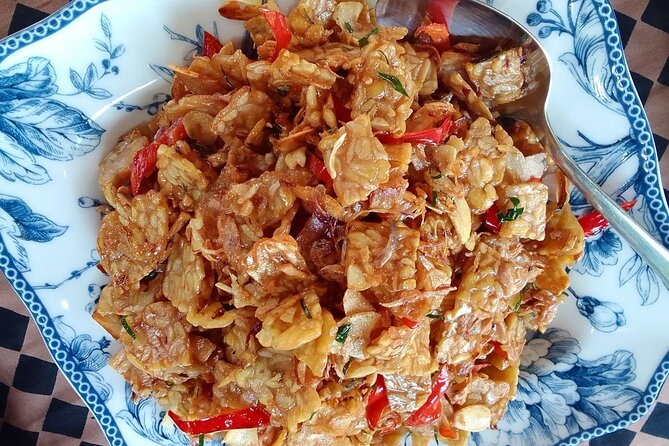
The information provided does not list every spice or name every one of the seven dishes. That is worth noting if you need a fixed menu before booking. You know that several tempeh dishes and sayur urab are included, but the full dish list is not specified.
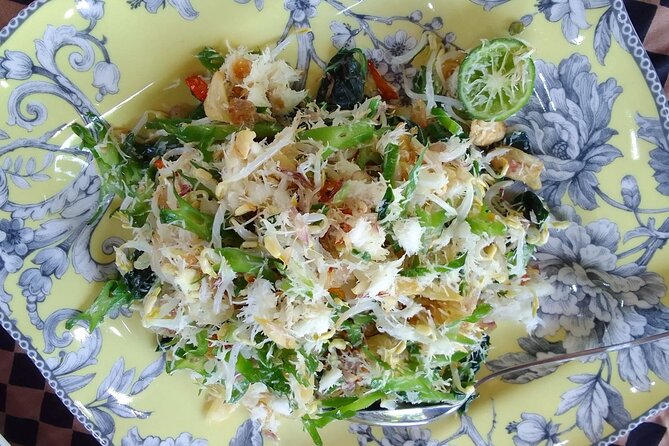
Sayur urab is described as a vegetable dish made with greens and beans, mixed with grilled grated coconut. It gives the meal a fresh vegetable component while the coconut adds a toasted, savory note. It also helps show that Balinese food is not only about meat, rice, or hot sauces.
You can expect the hosts to explain the steps as you cook. The strongest part of this format is the chance to ask questions while your hands are busy. One useful extra is a guide for making tempeh at home, so the lesson can continue after you leave Bali.
Cooking a seven-dish Balinese lunch
After the tempeh lesson and preparation work, you cook the lunch in the open-air kitchen. The meal includes seven dishes, with tempeh used in several preparations. You then share the finished food in the garden of the home.
That final meal is an important part of the value. A cooking class can feel incomplete if you spend hours preparing food and then receive only a small taste. Here, lunch is presented as the payoff, and the garden setting adds a family-style touch.
The menu can include chicken and tuna, but these are optional. If you are vegan, you can skip both. This makes the class more flexible than a fixed Balinese menu, though you should make your dietary choice clear when arranging the experience.
The vegan-friendly setup is not limited to removing meat from the plate. The main subject, tempeh, is plant-based, and the class highlights fresh plant ingredients from the beginning. Still, the supplied details do not state whether every seasoning or prepared item meets a particular dietary standard, so strict dietary needs should be confirmed with Ayu and Ngurah before booking.
Tea, coffee, water, and a light snack are provided during the class. Those small inclusions are helpful during a morning of cooking, but the main food value comes from the full lunch at the end.
A few more Seminyak half-days to weigh up
- Bali Full-Day Traditional Village Sightseeing Trip All Inclusive
★ 5.0 · 3,069 reviews - Experts Bali Driver : Best Bali Private Driver for Tour in Bali
★ 5.0 · 1,339 reviews - Bali Hai Sunset Dinner Cruise
★ 5.0 · 1,173 reviews - Private Arrival Transfer: Bali Airport to Hotel
★ 4.5 · 739 reviews
What makes the home setting worthwhile
The class takes place at a cozy local home rather than a large culinary venue. That setting gives the experience a more intimate tone and puts the meal in a social context. You are not just learning recipes. You are sharing food in the hosts’ garden after preparing it together.
Ayu is the main name to know. She guides the cooking and explains the background of tempeh and the recipes. Ngurah also hosts the experience, and both are described as genuine, welcoming, and careful in their teaching.
That personal connection is one reason the class has earned a full 5.0 rating from 18 reviews, with 100 percent recommending it. The comments place particular emphasis on Ayu’s warm hosting, clear instruction, and passion for cooking. One participant specifically valued the explanation of tempeh’s history, while another found the class different from other cooking lessons because the steps were taught carefully.
You should still set reasonable expectations. A home setting may not have the polished equipment, signage, or formal staging of a purpose-built cooking school. For many people, that is the point. If you prefer a highly structured culinary course with a printed menu and restaurant-style facilities, this may feel simple.
Price, group size, and practical value
At $39 per person, the class is priced as a three-hour activity with instruction, ingredients, refreshments, and lunch. I consider that a fair value if you want both a cooking lesson and a meal, especially since the class includes tempeh preparation rather than only a standard recipe demonstration.
The value improves for plant-based eaters. You are learning a specific ingredient with a long Indonesian tradition, and you get several ways to use it. The home meal and the tempeh guide add something you can carry into future cooking.
The price is less compelling if your main goal is simply to eat lunch. Bali offers cheaper meals, and a cooking class takes up your morning. You are paying for participation, explanations, and the chance to make the dishes yourself.
The regular class has a maximum of 10 people. That limit should help keep the instruction personal, but the exact group size on your date is not given. Private groups are available upon request, which may suit families, couples, or friends who want more control over the pace and menu.
The experience is usually booked about 24 days in advance. That does not guarantee a required booking window, but it is a useful planning clue. If your Bali schedule is tight, reserve ahead rather than leaving this morning to the last minute.
Who will enjoy this class most
I would recommend this experience to anyone curious about Indonesian food beyond a restaurant menu. It is especially well suited to people who want a hands-on activity, enjoy plant-based cooking, or have wondered how tempeh is made.
It also works for visitors who want a slower, more personal morning. The group cap, garden lunch, and home setting create a different mood from a large class built around a fixed performance. Families and groups of friends may find the private option useful.
The class is a good choice for:
- Vegan and vegetarian eaters who want tempeh ideas
- Cooks interested in Indonesian spices and fresh ingredients
- Visitors who prefer a local home setting
- People who want lunch included in a morning activity
- Anyone looking for a three-hour experience rather than a full-day excursion
It may be less suitable if you need a precise list of every dish before booking, want transportation included, or prefer a class centered on meat and seafood. Chicken and tuna are optional here, and tempeh remains the main subject.
Timing and meeting point tips
The class starts at 9:30 a.m. and finishes around 12:30 p.m. The lunch is included within that schedule, so you do not need to plan a separate midday meal immediately afterward.
The stated meeting point is Canang Sari Homestay in North Denpasar, at Gg. Kaswari No. 6, Dangin Puri Kaja, Denpasar, Bali 80234. The activity returns there at the end. Since the broader location is given as Seminyak, check your route and allow enough time to reach the exact address.
A mobile ticket is provided, and booking confirmation is received at the time of booking. The experience requires good weather and a minimum number of participants. If poor weather or low demand causes cancellation, you are offered another date or experience, or a full refund.
You can cancel for a full refund up to 24 hours before the start time. Changes or cancellations inside that 24-hour window are not accepted for a refund, so this is not the best activity to book if your plans are still uncertain.
The strongest reasons to book
The best reason to book is the tempeh focus. You learn about an Indonesian original, see how it is prepared, and cook with it in more than one way. That is more distinctive than a general class that simply runs through familiar dishes.
The second reason is the balance between instruction and eating. You work through the cooking, then sit down to a seven-dish lunch in the garden. You also receive tea, coffee, water, and a light snack during the session.
The hosts are another major part of the appeal. Ayu and Ngurah bring a personal, family-style approach, and the available feedback gives particular credit to Ayu’s care, patience, and clear teaching. The home setting supports that tone.
The main compromise is practical rather than culinary. You must get yourself to the Denpasar meeting point, and the full menu is not listed in the available details. If those points do not trouble you, the class offers a useful and memorable way to connect food with everyday Balinese life.
Should you book this tempeh cooking class?
Book it if you want to do more than watch a chef cook. The chance to make tempeh from scratch, prepare Balinese dishes, and eat seven of them in a local garden gives this three-hour class a clear identity.
I would especially choose it for a vegan or vegetarian morning in Bali, or for anyone who wants practical Indonesian recipes to take home. Skip it if you want hotel pickup, a fixed published menu, or a large seafood-focused feast. For most food-curious visitors, the $39 price is reasonable, and the small group plus personal hosting make it a strong choice.
FAQ
Where does the tempeh cooking class start?
It starts at Canang Sari Homestay, Gg. Kaswari No. 6, Dangin Puri Kaja, North Denpasar, Bali 80234, Indonesia.
Where does the activity finish?
The experience ends back at the meeting point.
What time does the class start?
The class starts at 9:30 a.m.
How long does the experience last?
The cooking class lasts approximately three hours and finishes around 12:30 p.m.
Is lunch included?
Yes. You share the food you prepare as a seven-dish Balinese Indonesian lunch in the garden.
Is the class suitable for vegans?
Yes. It is described as vegan-friendly, and you can skip the chicken and tuna.
What is the main ingredient covered in the class?
The class focuses on tempeh, including its history and the process of making it from scratch.
How many people can join the regular class?
The activity has a maximum of 10 participants.
Are private classes available?
Yes. Private groups can be arranged upon request.
What is included during the class?
Tea, coffee, water, and a light snack are provided. The class also includes the food prepared for lunch.
Can I cancel for a full refund?
Yes. You must cancel at least 24 hours before the experience start time for a full refund.
Just added around Seminyak
- Ubud Private Tour★ 5.0 · 36 reviews
- Kuta Seminyak Scooter Lessons★ 5.0 · 40 reviews
- Bali Airport Transfers | Bali Airport Welcome pick up | Bali Airport Taxi★ 4.0 · 27 reviews
- Wonderful Bali In 3 Days Private Tour★ 5.0 · 56 reviews
- Zero Gravity Flotation Therapy in Canggu Bali by Solace Float★ 5.0 · 36 reviews
- Best of North Bali: Banyumala Waterfall, Handara Gate and Temple★ 5.0 · 4 reviews
- Ubud Tubing Adventure Holy Spring Temple Private Guided Tour★ 5.0 · 49 reviews
- Surf lesson | Energy surfschool krui★ 5.0 · 3 reviews
Seminyak Tours, compared.

Bali Full-Day Traditional Village Sightseeing Trip All Inclusive
Read our review →

Ubud Hot Springs and Waterfall Private Guided Tour
Read our review →
Bali Secret Waterfall Tour – Private and All-Inclusive
Read our review →

Uluwatu Sunset Tour: Kecak and Fire Dance with Jimbaran Dinner
Read our review →
Bali Blue Lagoon Snorkeling – Lunch and Transport All Inclusive
Read our review →
Browse the lists this tour appears in