
Reviewed · SEMINYAK TOURS
Bali Leather Craft Workshop – 6 hours ( canggu / seminyak)
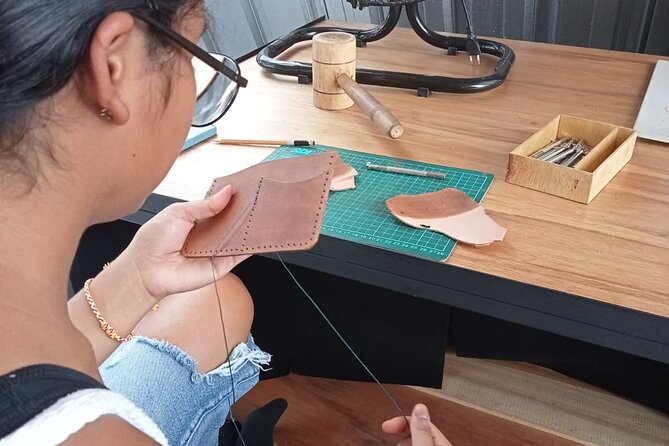
The best part of this Bali leather craft workshop is that you do not just watch someone make a souvenir. You cut the pattern, dye the leather, stitch it by hand, polish the edges, and add the final fittings yourself. By the end, you have a useful item with a story attached to it.
I like the quiet rice-field setting, which gives the six-hour session a calm rhythm, and I like the patient teaching from Abenk and Opik. You can also make real choices about leather texture, dye, thread color, and finishing details. The main drawback is the heat: bring water and plan for a warm day. One past participant also wished they had brought lunch, so prepare for that.
Key points to know before you book
- You make the item from start to finish: Learn cutting, coloring, stitching, edge polishing, varnishing, and fitting snaps or buttons.
- Abenk and Opik teach at your pace: The instruction suits beginners, teenagers, and people with different levels of handwork experience.
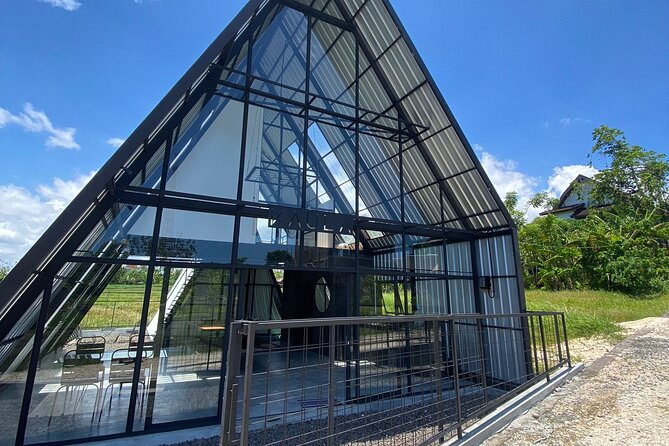
- The setting is part of the appeal: The studio sits near Bali rice fields, in a peaceful home-style space away from the traffic of central resort areas.
- Your finished piece can be personal: Make a wallet, purse, belt, bag, jewelry item, card holder, or another small leather creation.
- The workshop is private: Only your own group takes part, which makes it easier to ask questions and adjust the design.
- Allow the full day: The session begins at 10:00 am and lasts about six hours, with the activity ending where it began.
Six hours of making, not just watching
This is a practical craft class built around one clear promise: you leave with something made by your own hands. That matters in Bali, where many souvenirs are easy to buy but harder to connect with personally.
The work is broken into manageable stages. You begin by choosing the shape and size of the item, then cut the leather pattern. After that comes coloring, preparation for stitching, hand sewing, edge work, varnish, and the final hardware. The order makes sense, and each step gives you a visible sign of progress.
You should not expect a quick demonstration followed by free time. The aim is to involve you in the full process. That means six hours can pass quickly, but it also means this is not the right pick if you want a short activity between beach visits or shopping.
The exact finished object can vary. Options listed for the workshop include a wallet, purse, belt, jewelry set, and other small leather pieces. Past projects have also included card wallets, bags, and a knife sheath. The selection gives you room to match the project to your skills and the kind of souvenir you actually want to use.
More hands-on workshops in Seminyak:
- Balinese Cooking Class in Seminyak
★ 5.0 · 281 reviews - Nia Bali Seminyak Cooking Class
★ 5.0 · 127 reviews - Canggu: Surfing lesson with ISA certified instructor
★ 5.0 · 102 reviews
Arriving at Kaula Bali near Seminyak
The meeting point is Kaula Bali Leather Workshop on Gg. Yogya in Kerobokan Kaja, north of the main Seminyak area. The address is in the Kuta Utara district of Badung, Bali.
The workshop is near public transportation, and the activity begins at 10:00 am. It ends back at the same meeting point, so you do not need to arrange a separate return location. Since the session takes place in a quieter studio setting rather than a prominent shopfront, check the address carefully before setting out.
One practical issue is signage. The studio has not always been easy to identify from the main street. Give yourself extra time, especially if you are arriving by taxi or ride-hailing service, and keep the workshop name and address ready on your phone.
The location is useful for anyone staying in Seminyak or Canggu, but the roads around Bali can make a short distance take longer than expected. The booking information does not include hotel pickup, so you should plan your own way to Kaula Bali.
A peaceful studio beside Bali’s rice fields
The physical setting changes the feel of the day. Instead of working in a crowded commercial room, you spend the session in a home and studio environment surrounded by rice fields. The calm surroundings help the class feel less like a scheduled tourist stop and more like a slow, hands-on morning and afternoon.
I like this because leatherwork rewards patience. Cutting a pattern, lining up stitch holes, or polishing an edge is easier when you are not being rushed. The quiet setting also gives you a break from the noise and traffic that can define parts of a Bali holiday.
The setting does come with a practical tradeoff. The workshop can be very hot, particularly during a six-hour daytime session. Wear light clothing, bring drinking water, and use sun protection for the journey there and back. The information does not promise air conditioning, so you should be ready for a warm craft room.
Food is another point to plan. One participant advised bringing your own lunch, while another described being taken to a nearby warung for local food. That suggests lunch arrangements may be flexible rather than a fixed part of the experience. Ask ahead if lunch matters to you, or pack something simple so you can stay focused on the work.
Cutting the pattern and choosing your design
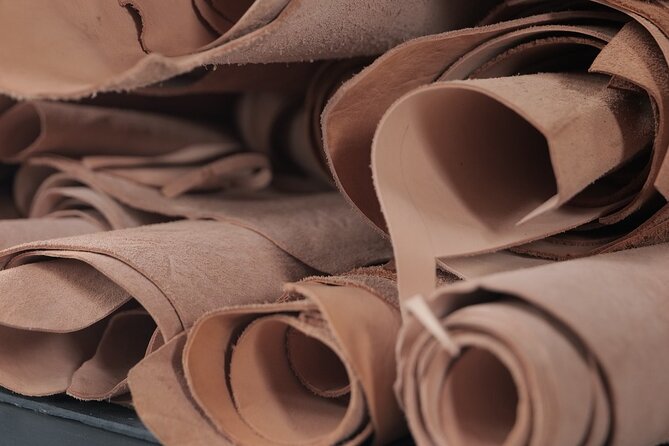
The first major step is cutting the leather to the required shape and size. This is where your project begins to look real, but it is also a stage where careful work pays off. A crooked cut can affect how the pieces meet later, so expect the instructor to demonstrate the process and help you handle the material.
You can make decisions about the look of the finished item. The available feedback points to choices such as leather texture and thread color, along with the dye and finish. Those details may sound small, but they are what make a handmade wallet or bag feel personal instead of generic.
The workshop is suited to first-time crafters because Abenk and Opik demonstrate the methods rather than assuming you already know them. Abenk has been praised for encouraging people at their own skill level, and both instructors are described as patient and accommodating.
If you are attending with a teenager, this can be a good shared project. The work is active and practical, with a clear result at the end. You are not simply sitting through a talk, and the private format lets each person choose a project that fits their interest.
A few more Seminyak half-days to weigh up
- Bali Full-Day Traditional Village Sightseeing Trip All Inclusive
★ 5.0 · 3,069 reviews - Experts Bali Driver : Best Bali Private Driver for Tour in Bali
★ 5.0 · 1,339 reviews - Bali Hai Sunset Dinner Cruise
★ 5.0 · 1,173 reviews - Private Arrival Transfer: Bali Airport to Hotel
★ 4.5 · 739 reviews
Dyeing the leather for a personal finish
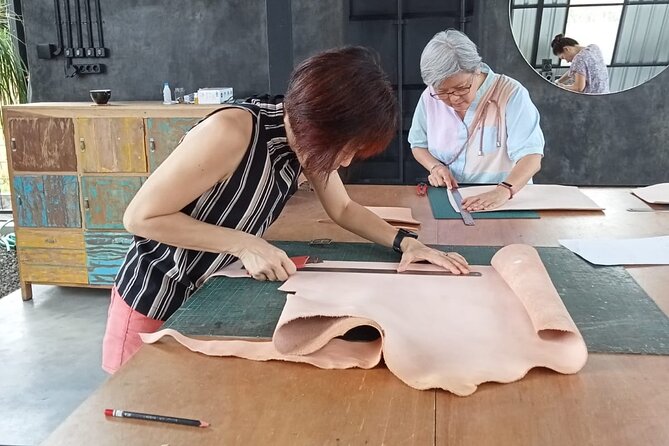
Once the pieces are cut, you learn how to add color. The workshop provides a selection of dyes and finishes so you can decide how the leather should look and feel.
This stage gives you the most obvious chance to customize the item. A natural-looking finish may suit a simple card wallet, while a stronger color can make a purse or bag feel more distinctive. The final result depends on the material, your choices, and the care taken during application, so do not expect every item to look factory-perfect.
That is part of the value. Handmade work shows small signs of the person who made it. You may see slight variations in color or stitching, but those marks are connected to the process rather than a flaw in a mass-produced object.
The instructions do not specify the full range of colors or leather types available on a particular day. If you have a firm design in mind, contact the provider in advance rather than assuming every option will be in stock.
Hand stitching, edge polishing, and the final fittings
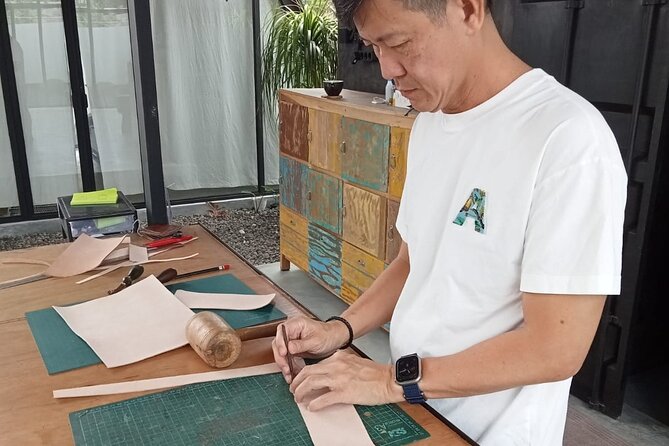
After coloring, the leather is prepared for stitching. You learn how to line up the pieces and work with a needle and thread by hand. This is often the slowest part of a leather project, but it is also where the separate pieces become a usable object.
The instructor guides you through making the stitching neat and durable. You do not need to arrive with sewing experience. Still, you should expect some repetition and close attention. Six hours allows time for instruction, corrections, and finishing work, but rushing through the stitches would defeat the point of the class.
Once the item is assembled, you polish the edges and apply varnish for a smoother, more finished surface. These details are easy to overlook when buying leather goods, yet they have a real effect on how the item feels in your hand and how complete it looks.
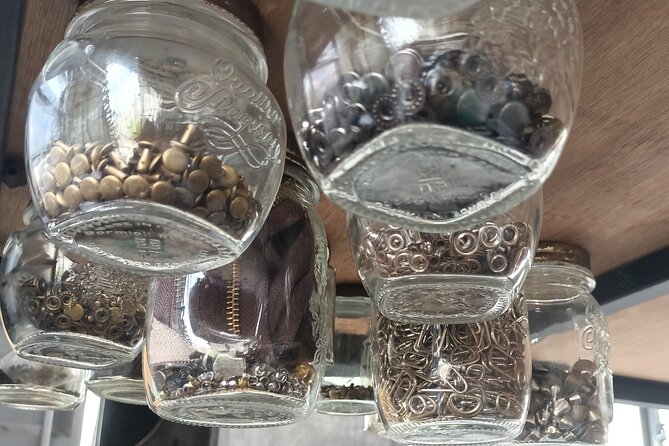
The final stage adds hardware and personal touches. Depending on the project, that may include snaps, buttons, or other accessories. A card wallet is a smaller and likely simpler project, while a bag or knife sheath may require more time and attention. The class format lets you work toward a project that matches your group’s interests.
What makes the private format useful
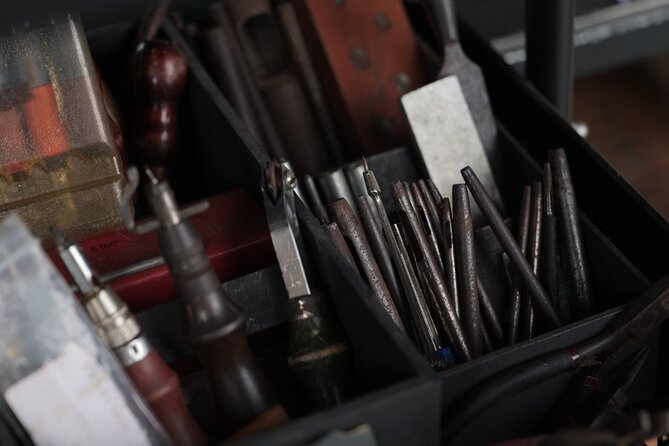
This is a private activity, so only your group participates. That is especially valuable for a craft class. You can ask Abenk or Opik to repeat a step, change the design, or spend more time on a technique without waiting behind a large class.
The private setup also works well for friends, couples, and families. One person might make a purse while another chooses a wallet or belt. The workshop has enough flexibility for each participant to leave with a different item rather than producing identical pieces.
It is also a good choice for people who prefer a quiet activity. There is no need to perform for a group or keep pace with strangers. You can concentrate on the material, chat with your companions, and take a proper break when needed.
The tradeoff is that the day depends heavily on the quality of the individual instruction and the available project choices. In this case, the teaching has been described as calm, friendly, and encouraging, but you should still communicate clearly about what you want to make at the start.
Is $46 a fair price for six hours?
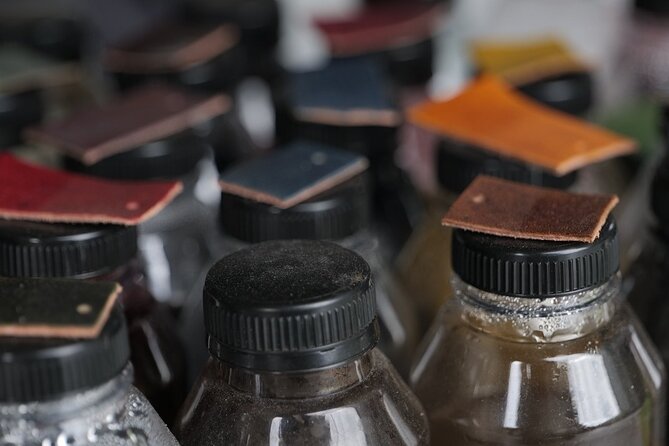
At $46, this workshop offers a solid value if you want both instruction and a finished leather item. You are paying for a half-day of guided activity, use of the craft tools and materials, and the chance to take home something you helped create.
The value improves if you choose an item you will use regularly. A handmade card wallet, purse, belt, or bag can serve as a practical souvenir rather than another decorative object in your luggage. The personal decisions about dye, thread, texture, and hardware also add value that is difficult to measure in a shop price.
You should compare it with the cost of a short craft class, not just the cost of a ready-made leather product. A shop-bought wallet may be cheaper, but it will not include six hours of instruction or the memory of making it in Bali.
The price does not appear to include lunch or transportation to the studio. Those costs are small compared with the booking price, but you should account for them. The workshop also requires a meaningful time commitment, so it is less suitable if you are trying to pack several major activities into one day.
Who will enjoy this workshop most?
I would recommend it to you if you like hands-on activities, want a slower day in Bali, or prefer souvenirs with a personal connection. It suits beginners because the instructors guide you through each stage, and the private format makes questions easy.
Families with older children or teenagers may also enjoy it. One family group with a teenage son found the experience relaxing and were happy with the finished pieces. The activity requires attention and some hand coordination, so it may not suit very young children, but the information says most people can participate.
It is also a good option for couples and friends. Making separate items gives you something to compare at the end, and the shared work creates a better memory than simply buying matching souvenirs.
I would hesitate to recommend it if you dislike detailed handwork, struggle in hot rooms, or want a polished luxury product with no visible handmade variation. The session is long, and the reward comes from taking part in every stage.
Small details that can make the day easier
Plan to arrive with the address saved and allow extra time for finding the entrance. The limited signage has been an issue, so do not rely on spotting a large workshop sign from the road.
Wear comfortable clothing that you do not mind wearing during a craft activity. Bring water, and pack lunch unless you have confirmed that food will be arranged or that a local warung visit is available.
Think about your project before you arrive, but keep an open mind. A wallet or card holder may be easier to complete than a larger bag, while a more ambitious piece could give you a stronger sense of achievement. Abenk and Opik can help you choose something suitable for your ability.
The workshop accepts a mobile ticket, and confirmation is provided at booking. Most people can participate, but anyone with specific mobility or hand-use concerns should ask the provider before reserving.
Free cancellation is available if you cancel at least 24 hours before the 10:00 am start time. Cancellations or changes made less than 24 hours before the activity are not accepted for a refund.
Should you book the Kaula Bali leather workshop?
Book it if you want a calm, private, useful souvenir and are happy to spend six hours making it yourself. The combination of patient guidance, personal design choices, and a rice-field studio gives the experience more substance than a quick demonstration.
I especially like it for couples, friends, and families with teenagers. Choose a smaller item if you want a simpler project, bring lunch and water, and allow time to find the studio. Skip it if your Bali schedule is tight or if sitting with careful handwork in the heat sounds tiring.
For $46, this is a worthwhile day for anyone who values the making as much as the finished object. You may return home with a wallet, purse, bag, belt, or other piece of leatherwork, but the better souvenir is the knowledge that you shaped it yourself.
FAQ
Where does the Bali leather craft workshop begin and end?
The workshop begins and ends at Kaula Bali Leather Workshop, Gg. Yogya, Kerobokan Kaja, Kuta Utara, Badung, Bali 80361, Indonesia.
What time does the workshop start?
The activity starts at 10:00 am local time.
How long does the leather workshop last?
The workshop lasts approximately six hours.
What can I make during the class?
Possible projects include a wallet, purse, belt, jewelry set, card wallet, bag, knife sheath, or another small leather item.
What techniques will I learn?
You will learn to cut a pattern, dye or color the leather, prepare it for stitching, sew by hand, polish the edges, apply varnish, and add fittings such as snaps or buttons.
Is this a private activity?
Yes. Only your own group participates in the workshop.
Is the workshop suitable for beginners?
Yes. The instructors guide you through the process, and the activity is suitable for most participants. Abenk and Opik can demonstrate the techniques and work with you at your skill level.
Can I cancel for a full refund?
Yes, if you cancel at least 24 hours before the experience start time. Cancellations or changes made less than 24 hours before the start are not accepted for a refund.
Just added around Seminyak
- Ubud Private Tour★ 5.0 · 36 reviews
- Kuta Seminyak Scooter Lessons★ 5.0 · 40 reviews
- Bali Airport Transfers | Bali Airport Welcome pick up | Bali Airport Taxi★ 4.0 · 27 reviews
- Wonderful Bali In 3 Days Private Tour★ 5.0 · 56 reviews
- Zero Gravity Flotation Therapy in Canggu Bali by Solace Float★ 5.0 · 36 reviews
- Best of North Bali: Banyumala Waterfall, Handara Gate and Temple★ 5.0 · 4 reviews
- Surf lesson | Energy surfschool krui★ 5.0 · 3 reviews
- Ubud Tubing Adventure Holy Spring Temple Private Guided Tour★ 5.0 · 49 reviews
Seminyak Tours, compared.

Bali Full-Day Traditional Village Sightseeing Trip All Inclusive
Read our review →

Ubud Hot Springs and Waterfall Private Guided Tour
Read our review →
Bali Secret Waterfall Tour – Private and All-Inclusive
Read our review →

Uluwatu Sunset Tour: Kecak and Fire Dance with Jimbaran Dinner
Read our review →
Bali Blue Lagoon Snorkeling – Lunch and Transport All Inclusive
Read our review →
Browse the lists this tour appears in