
Reviewed · MALANG TOURS
Half Day – Malang Batik Class
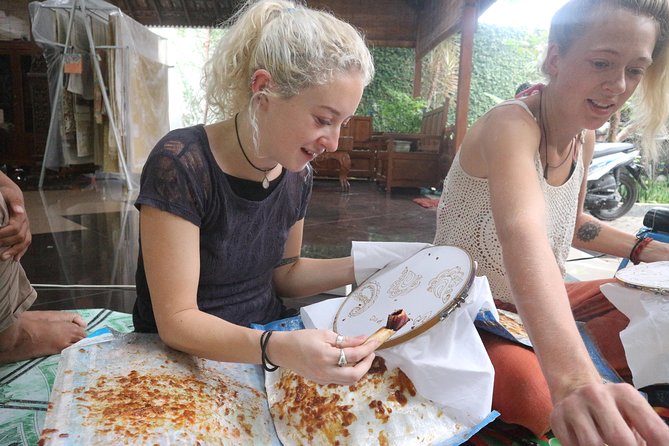
Batik is not just a pretty Indonesian fabric. Here, you get to make one from the first pencil line to the final color, using a traditional canting tool and organic wax. The class takes place in a local artisan home, where women who produce batik also help other homemakers learn the craft.
I like two things in particular: the class gives you a real hand-on process rather than a quick demonstration, and the private format keeps the session personal. You can select or combine patterns, or draw freehand, while a local host such as Namira helps you through the tricky parts.
The main point to check is the food arrangement. The published details exclude meals and drinks, although one family’s experience included lunch, so I would not count on food unless it is confirmed before booking.
Key things to know before making batik
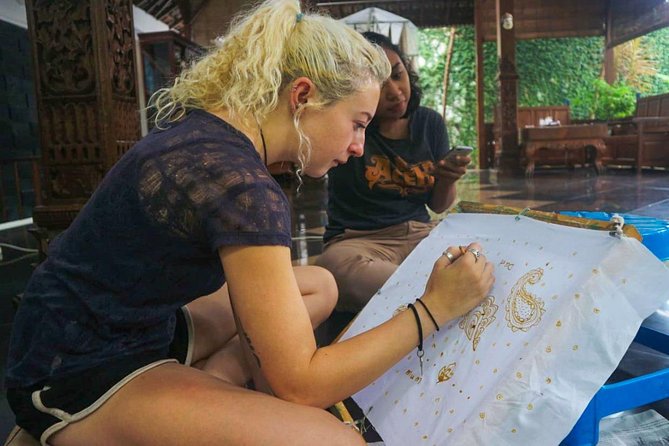
- You complete three real stages: drawing, wax application, and fabric dyeing.
- The class takes place in a local home: expect a small-scale workshop rather than a polished commercial studio.
- Organic materials shape the result: the dye produces earthy colors, so your finished cloth may have a softer, natural look.
- Pickup and drop-off are included: this makes the five-hour outing easier to fit into a Malang stay.
- The activity is private: only your own group takes part, which helps if you want patient instruction.
- Children can join: children must be accompanied by an adult, and most people can participate.
Why this Malang class feels different
Many craft activities show you the finished object and let you try one small step. This one asks you to follow the whole batik chain. You begin with an empty piece of fabric, choose a pattern, protect parts of it with wax, and then add color.
That matters because batik’s look comes from the order of the work. The wax blocks dye from reaching certain parts of the cloth. When the wax is later removed, the pattern appears through the contrast between covered and colored areas.
You also get a closer look at the human side of the craft. The class is held in a local artisan house, with local women helping to keep batik production going. The workshop is connected with a women’s cooperative run by the local NGO Yagazu, according to the information provided for the experience.
I like that setting better than a large tourist showroom. It puts the focus on making something, asking questions, and meeting the people who use the craft in daily working life. You are not simply buying a cloth and leaving. You spend time learning why the cloth looks the way it does.
The activity is also tied to batik’s status as a UNESCO Intangible Cultural Heritage. That does not make your first attempt perfect, of course. It does give the class useful cultural weight. You are learning a traditional process, not just decorating a souvenir.
More hands-on workshops in Malang:
- Ubud Cooking Class Bali with Balinese Chef
★ 5.0 · 1,609 reviews - Ubud Silver Class Jewelry making in bali
★ 5.0 · 978 reviews - PRIVATE Authentic Balinese Cooking Class in Ubud at Putu’s Home
★ 5.0 · 644 reviews
The 8:00 am pickup and ride to the workshop
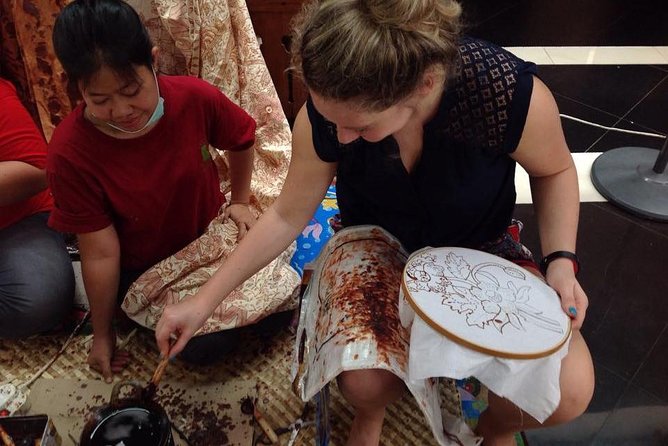
The advertised start time is 8:00 am, with hotel pickup and drop-off included. Your driver or guide handles the transport, so you do not need to arrange a separate taxi to find the workshop.
That is useful in Malang, where a local home workshop may not be as simple to locate as a major attraction. Pickup also makes this a practical choice if you are staying in a hotel or hostel and want a planned morning activity.
The tour lasts about five hours. Since the class covers three stages and includes transport, you should treat it as a half-day commitment rather than a quick one-hour lesson. Keep the rest of your day reasonably open, especially if your cloth needs finishing before you leave.
The format is private, so the pace should suit your own group. That is especially helpful when children or first-time crafters are involved. It also means you can ask basic questions without feeling that you are holding up a large class.
The published details call the provider OURTRIP1st Bromo Ijen Tour Operator. Martha is named as a local contact who followed up promptly after one booking, while Namira hosted one class and handled questions with care. Staff names may vary, but these details suggest that the experience includes a local point of contact as well as transport support.
Stop 1: the local artisan house
The workshop itself is the heart of the outing. You visit a local house where women artisans teach the process and work with batik. Do not expect a factory floor or a formal museum display. The appeal is the domestic, working setting.
That setting can make the class feel more relaxed. You are close to the people making the cloth, and the atmosphere is suited to conversation. One group joined friends and other people from a hostel, while another family brought two eight-year-old children. The experience can work for different kinds of groups, from couples to families.
You will likely see examples of Malang-style patterns and have a choice of designs. You can use a tracing table to select or combine motifs, or make your own drawing. That choice is important for beginners. If you are not confident with a pencil, you do not have to invent a complicated design from scratch.
I would choose a design with enough open space for a first attempt. Fine details can be difficult once you begin applying wax. A simpler pattern also lets you pay attention to the tools and the dye rather than worrying about every line.
The artisans guide you step by step. You should still expect to do the work yourself. This is not a demonstration where the teacher quietly completes the difficult sections for you.
Stage one: drawing a Malang pattern
The first task is to draw the design on the fabric. This may involve copying a prepared motif, combining designs, or working freehand. The activity information specifically points to typical Malang art patterns, giving your cloth a local connection even if you choose a simple layout.
Drawing is the calmest part of the class, but it sets up everything that follows. Your lines become the guide for the wax. If a pattern is too crowded or the lines are unclear, the waxing stage becomes harder.
The tracing table is a useful option for anyone who wants help with composition. You can choose a design, adapt it, and make the piece your own without needing to be an experienced artist. I like this balance. You get creative control, but you are not left alone with a blank cloth.
For children, the drawing stage may be the easiest place to begin. An adult must accompany each child, and adult help could be useful when the pattern becomes detailed. The activity is designed so most people can take part, but it still requires patience and careful hand movement.
A few more Malang half-days to weigh up
- 1 Day Amazing Bromo Sunrise tour from Malang Surabaya 7 spots
★ 5.0 · 879 reviews - 3Days – Tumpaksewu Bromo Ijen Adventure via Malang or Surabaya
★ 5.0 · 405 reviews - 2Days – Bromo Sunrise Ijen Adventure via Malang
★ 5.0 · 152 reviews - 1 Day – Bromo Afternoon Siesta Tour start MALANG or SURABAYA // 11:00 – 18:00
★ 5.0 · 114 reviews
Stage two: applying wax with the canting
Next comes the most distinctive part: applying wax with a traditional canting. The canting is a small tool used to lay wax along the pattern lines. The wax acts as a barrier, keeping dye away from selected sections of the cloth.
This is where the class becomes more than a simple painting activity. You need to control the tool and follow the drawn lines. The wax must cover the areas that you want to protect, so steady work matters more than speed.
The class uses organic wax, another detail that gives the process a more traditional, natural feel. If you have never used a canting, the first lines may feel awkward. That is normal. This is a craft tool with its own rhythm, and the instructors are there to show you how to handle it.
I would listen closely during this stage and avoid rushing to finish the pattern. A small mistake may become part of the final design, which is not a bad thing. Handmade batik should look handmade. The goal is to understand the method and create a cloth with your own marks, not to reproduce a factory-perfect print.
The local women artisans are particularly important here. They can show you how much wax to use and how to move along the pattern. Their help turns a potentially frustrating stage into a manageable one.
Stage three: organic dye and earthy color
Once the waxed design is ready, you move on to coloring. The class uses organic ingredients to create earthy shades. This is a different look from bright synthetic fabric dye, so set your expectations accordingly.
The color stage reveals why the wax was applied so carefully. Areas protected by wax remain different from the sections that receive the dye. The pattern begins to make sense as color spreads across the cloth.
This is also the stage where your choices become visible. A small irregularity in the wax can affect the final result, and that is part of the charm of a handmade piece. You are not simply filling in a coloring-book image. You are watching a traditional resist-dye method produce its own pattern.
The finished fabric is dried, and the wax is melted off. That final step was included in the process described by participants, and it is an important one. Until the wax is removed, you cannot fully see what you have made.
If you need the cloth ready for onward travel, mention that before the class ends. One family had the fabric prepared so it could be carried on to the next part of its journey. That suggests the team can help with finishing arrangements, but you should confirm what is possible for your own departure schedule.
What the $35 price covers
At $35 per person, the class is priced as a full half-day activity rather than a short craft lesson. The cost includes all batik activities, bottled water, a driver or guide, and hotel pickup and drop-off.
That package gives the price reasonable value if you would otherwise pay separately for transport and a local workshop. It also removes some of the uncertainty of finding a small artisan house on your own.
The value depends on what you want from Malang. If your main goal is a cheap souvenir, buying a ready-made batik cloth will cost less time and may cost less money. If you want to understand the work behind the fabric and take home something you helped create, the class offers more.
Food and drinks are not generally included unless specified. One account described a delicious lunch, but the main terms say meals are excluded. I would ask before booking if lunch matters to you, rather than assuming it comes with the $35 price.
The finished piece is part of the value, but the cultural contact matters just as much. You spend several hours with people who make batik and teach the process to others. For many visitors, that personal exchange is more meaningful than another quick stop at a shop.
Who will enjoy this class most
This is a good choice for you if you prefer a hands-on cultural activity to sightseeing from a vehicle. You do not need to be an artist. The tracing designs, step-by-step instruction, and help with the canting make the process accessible to beginners.
Families can consider it, too. Children must have an adult with them, and an eight-year-old can take part according to the supplied experience details. Younger children may need more help during waxing, since the tool and hot wax require attention.
The private format suits couples, families, and small groups of friends. You can work together, compare designs, and ask questions at your own pace. It is also a relaxed option if you are looking for an activity that is creative rather than physically demanding.
I would be cautious about booking it if you have a tight connection, a fixed departure, or no spare time in Malang. The class is about five hours, and the work has several stages. It is best enjoyed when you can slow down.
Practical points before you book
Wear clothes you do not mind getting marked, since wax and dye are part of the work. The supplied details do not specify clothing requirements, so this is simple common-sense advice rather than a formal rule.
Bring your curiosity and patience. The class is designed for most people, but drawing, waxing, and coloring cannot be rushed. If you want a perfectly uniform textile, a handmade class may not suit you. If you enjoy seeing your own small errors become part of an object, it should be a good fit.
Ask about lunch when you reserve. The formal inclusions cover bottled water but not food and drinks. That single question can prevent an awkward surprise during a five-hour outing.
The experience offers free cancellation if you cancel at least 24 hours before the local start time. Cancellations or changes made less than 24 hours before the start are not accepted for a refund.
Should you book the Malang Batik Class?
I would book this class if you want a personal, creative way to understand Indonesian batik. The full process, the local home setting, the women’s cooperative connection, and the chance to take home your own work give it more substance than a quick craft demonstration.
The $35 price is fair when you use the included transport and value the guidance of local artisans. Just confirm the food arrangement and leave enough time for the full five-hour schedule.
Skip it if you prefer a fast cultural stop, dislike careful handwork, or need to keep your morning open. For everyone else, this is a thoughtful Malang activity, especially for families and small private groups who want to make something rather than simply shop for it.
FAQ
Where does the Malang Batik Class take place?
The class takes place in a local artisan house in Malang, where local women artisans teach the batik-making process.
How long does the class last?
The experience lasts approximately five hours.
What time does the activity start?
The stated start time is 8:00 am.
Is hotel pickup included?
Yes. Hotel pickup and drop-off are included in the activity.
Is the class private?
Yes. This is a private activity, so only your own group participates.
What are the main steps in the class?
You draw a pattern, apply wax to cover the pattern using a traditional canting tool, and color the fabric with organic ingredients.
Is the wax organic?
Yes. The class uses organic wax during the waxing stage.
Are meals included?
Food and drinks are not included unless specifically stated. Bottled water is included. One experience included lunch, so confirm the meal arrangement before booking.
Can children participate?
Yes. Children can participate, but they must be accompanied by an adult.
What is included in the $35 price?
The price includes all activities, bottled water, a driver or guide, and hotel pickup and drop-off.
Can I cancel for a full refund?
Yes. You can receive a full refund if you cancel at least 24 hours before the experience start time. Changes or cancellations made less than 24 hours before the start are not accepted.
Just added around Malang
- Waterfalls Tour★ 5.0 · 39 reviews
- 4-Day Tour: Mt Bromo & Ijen, Tumpak Sewu & Madakaripura falls★ 5.0 · 3 reviews
- Private Tour in Tumpak Sewu Waterfalls from Malang or Surabaya★ 5.0 · 39 reviews
- Private Adventure Trip to Tumpak Sewu Waterfall★ 5.0 · 3 reviews
- Tumpak Sewu Waterfalls★ 5.0 · 6 reviews
- 2-Day Tour: Mt Bromo Sunrise & Tumpak Sewu from Malang & Surabaya★ 5.0 · 29 reviews
- 3D2N Ultimate Tumpak Sewu, Bromo & Ijen Adventure Tour★ 5.0 · 10 reviews
- Mount Bromo Public Sunrise Tour – From Malang★ 4.5 · 4 reviews
Malang Tours, compared.

1 Day Amazing Bromo Sunrise tour from Malang Surabaya 7 spots
Read our review →
3Days – Tumpaksewu Bromo Ijen Adventure via Malang or Surabaya
Read our review →
2Days – Bromo Sunrise Ijen Adventure via Malang
Read our review →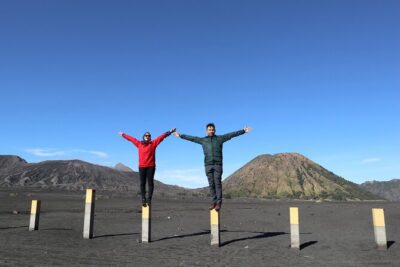
1 Day – Bromo Afternoon Siesta Tour start MALANG or SURABAYA // 11:00 – 18:00
Read our review →
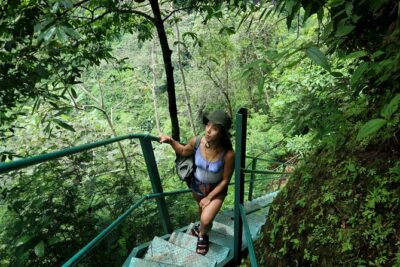
3D2N – Mount Bromo, Tumpak Sewu, Kawah Ijen Crater start from Malang or Surabaya
Read our review →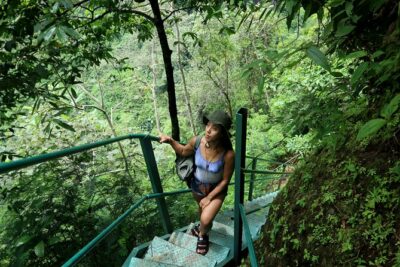
1 Day – ULTIMATE TOUR Tumpak Sewu Waterfall and Goa Tetes cave // 07:30 – 17:30
Read our review →
Fun and Joy : 3-Day Java Tour Ending in Bali (All-Inclusive)
Read our review →Browse the lists this tour appears in